

Introduction
Fraction collectors are essential instruments in laboratory settings, used primarily in chromatography to separate and collect different parts of a sample. These instruments help automate the collection of fractions from eluting samples based on time, volume, or detector signals. They are crucial in various fields, including biochemistry, environmental analysis, and pharmaceuticals, enabling precise fractionation and analysis of complex mixtures.
What is a Fraction Collector?
A fraction collector is a laboratory device that automates the collection of sample fractions as they exit a chromatography column. By isolating specific components based on predefined criteria (e.g., time, volume, peak detection), these collectors help simplify and improve the efficiency of chromatographic processes.
How Does a Fraction Collector Work?
Fraction collectors direct the eluting fluid from a chromatography column into separate containers, such as test tubes or vials, according to pre-set parameters. The system can collect fractions in different ways:
Time-Based Collection
The system collects fractions based on a fixed time interval
Volume-Based Collection
The system collects fractions based on the volume of fluid passing through the column.
Peak-Based Collection
The system collects fractions when the detector identifies specific peaks in the chromatogram.
Key Features of Fraction Collectors
Fraction Size and Number of Fractions
- The size of the fraction plays a vital role in determining the yield and purity of the collected sample. Larger fractions may provide higher yield but can compromise purity. Smaller fractions help isolate specific components, offering greater purity but at the cost of lower throughput.
- High-flow rates increase the number of fractions, while lower-flow rates reduce the number of fractions and may enhance purity.
Collection Modes
- Time-Based: Simple and easy to use, suitable for predictable retention times.
- Drop-Based: This method collects fractions based on drop counting or the volume of elution.
- Peak-Based: More advanced, it collects fractions when peaks are detected by the chromatography system’s detector, offering better resolution.
- Conditional: This mode collects fractions based on multiple detector signals, ideal for complex sample types.
Manual vs. Automated Collection
- Manual Collection: This traditional method requires the operator to manually start and stop fraction collection, often used for routine tasks but with limited throughput and precision.
- Automated Collection: Provides high throughput and accuracy, freeing up time for other tasks. It is highly efficient, reducing the need for operator intervention and offering more precise control over fraction collection.
Applications of Fraction Collectors
Fraction collectors are widely used across various scientific and industrial fields:
Chromatographic Purification
Fraction collectors help isolate specific compounds in sample mixtures, commonly used in protein and peptide purification.
Bioprocess Monitoring
In biomanufacturing, fraction collectors are used to collect samples at different stages of cell culture, allowing for continuous monitoring of metabolite production or protein expression.
Environmental Analysis
Fraction collectors are crucial for isolating contaminants from water, air, or soil samples, helping to monitor pollutants and ensure regulatory compliance.
In Vivo Sampling
These collectors are also used in medical research to collect samples (e.g., blood) from live organisms for further analysis of pharmacokinetics or metabolic processes.
Aelab Fraction Collectors: Overview of Leading Models
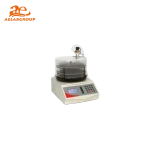
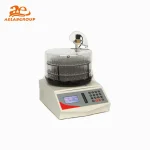
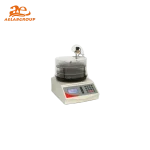
Common Questions About Fraction Collectors
1. What does a fraction collector do? A fraction collector automates the process of collecting different parts of a sample as it exits a chromatography column. It helps isolate specific compounds for further analysis or purification.
2. How does a fraction collector work? The collector collects fractions by isolating the eluting sample based on specific parameters, such as time, volume, or detected peaks in a chromatogram. It then stores these fractions in containers for subsequent analysis.
3. What is a fraction collector used for? Fraction collectors are used in laboratories and industries to purify compounds, analyze complex mixtures, and monitor bioprocesses. They are commonly used in chromatography systems to separate and collect eluted compounds efficiently.
4. What are the different types of fraction collection? Fraction collection can be done in several ways:
- Time-Based: Collecting fractions at set time intervals.
- Volume-Based: Collecting fractions based on the volume of elution.
- Peak-Based: Collecting fractions when specific peaks are detected in the chromatogram.
5. Can fraction collectors be automated? Yes, modern fraction collectors can be fully automated, increasing throughput and efficiency while reducing the need for manual intervention.
Conclusion
Fraction collectors play a pivotal role in chromatography by automating the collection of fractions. They offer flexibility in sample collection methods, whether time-based, volume-based, or peak-based, and are essential for applications requiring high precision and purity. Whether used in research labs or industrial settings, fraction collectors streamline the process of sample analysis, making them indispensable tools in modern science.
By understanding the key features and applications of fraction collectors, you can optimize your research or industrial processes, improving both yield and purity of collected samples while increasing operational efficiency.