Introduction
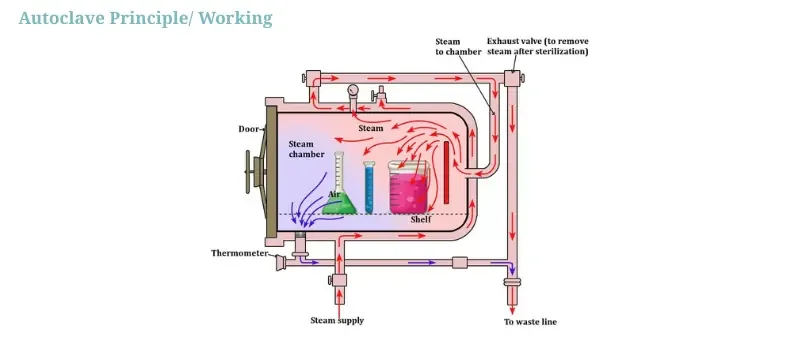
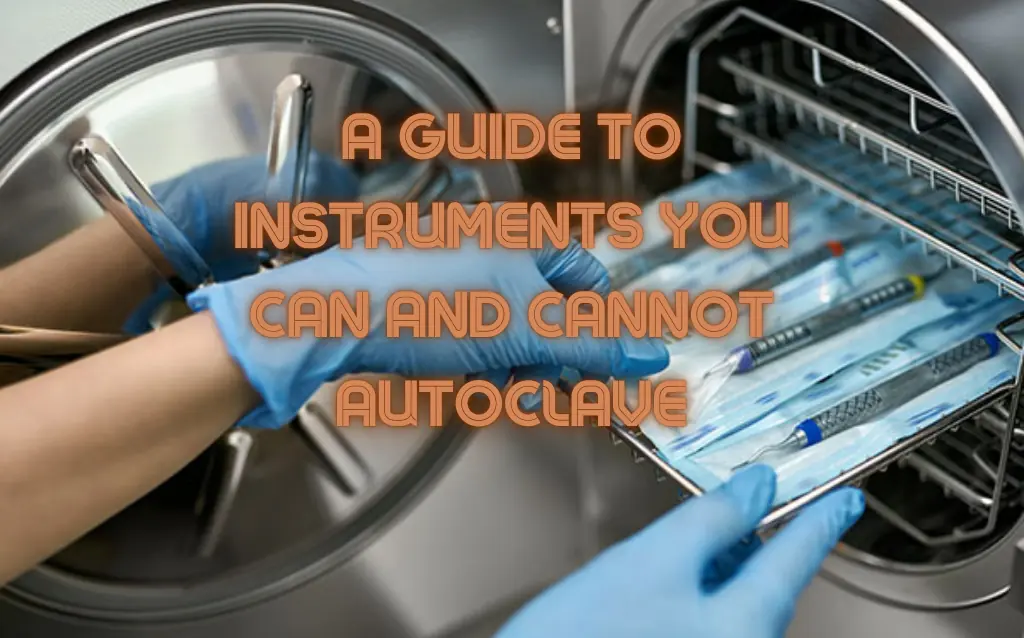
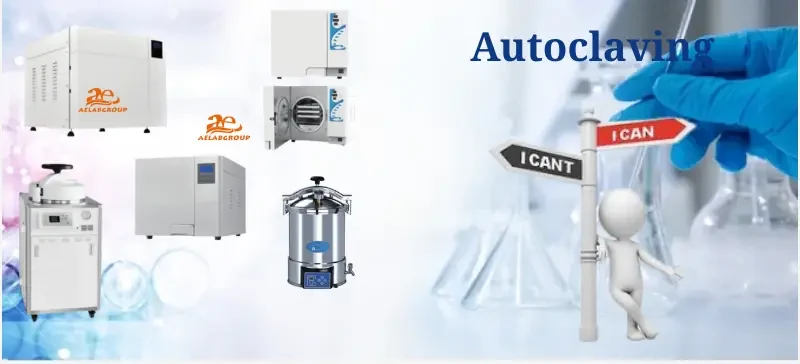
Autoclaving is a fundamental sterilization method widely used in hospitals, laboratories, research centers, dental clinics, and industrial settings. It utilizes high-pressure saturated steam to effectively eliminate bacteria, viruses, fungi, and spores. However, not all items are suitable for this intense environment. Placing incompatible instruments inside an autoclave can lead to damage, safety hazards, and equipment failure. This guide provides an integrated overview of which instruments are safe for autoclaving, which are not, and best practices for ensuring safe and effective sterilization.
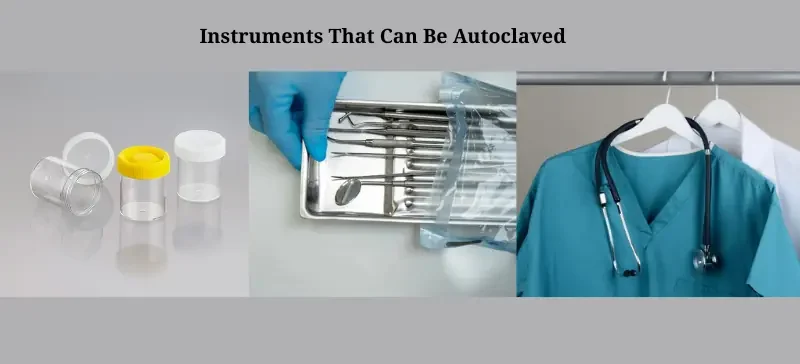
Instruments That Can Be Autoclaved
Stainless Steel Instruments
Examples: Scalpels, scissors, forceps, hemostats, medical implants.
Why Suitable: Stainless steel resists corrosion and maintains structural integrity under high heat and pressure.
Heat-Resistant Glassware
Examples: Beakers, flasks, petri dishes, test tubes (made from borosilicate glass like Pyrex).
Why Suitable: Borosilicate glass is designed to withstand repeated heating cycles without cracking.
Autoclavable Plastics
Examples: Polypropylene (PP), polycarbonate (PC) labware, pipette tips, storage containers.
Why Suitable: These plastics can endure the high temperatures and pressures without melting or deforming.
Silicone and Heat-Resistant Rubber
Examples: Tubing, gaskets, masks.
Why Suitable: Labeled autoclavable-grade, these materials retain flexibility and durability post-sterilization.
Medical Textiles
Examples: 100% cotton gowns, surgical drapes, reusable towels.
Why Suitable: Natural fibers like cotton withstand steam sterilization without melting or degrading.
Stainless Steel and Aluminum Trays
Examples: Instrument trays, sterilization cassettes.
Why Suitable: Durable metals facilitate effective bulk sterilization.
Autoclavable Media and Solutions
Examples: Specialized culture media, buffer solutions.
Best Practice: Loosely cap containers to allow steam penetration and prevent pressure buildup.
Biological Waste and Animal Bedding
Application: Used in laboratory settings for decontamination of waste and bedding materials.
Instruments That Cannot Be Autoclaved
Non-Autoclavable Plastics
Examples: Polyethylene (PE), polystyrene (PS), PVC, polyurethane.
Why Not Suitable: These plastics melt, warp, or release harmful fumes under high heat.
Electronic Devices
Examples: Endoscopes, cameras, sensors, microscopes.
Why Not Suitable: High temperature and moisture damage sensitive electronic components.
Corrosive or Reactive Metals
Examples: Carbon steel, aluminum (non-treated).
Why Not Suitable: Prone to rusting, pitting, or dulling, especially with repeated exposure.
Optical Components and Adhesives
Examples: Instruments with lenses, glue joints, or laminated parts.
Why Not Suitable: Steam and heat may cause fogging, delamination, or component separation.
Flammable or Volatile Substances
Examples: Alcohol, acetone, solvents.
Why Not Suitable: Risk of fire or explosion inside the chamber.
Corrosive, Toxic, or Sealed Chemicals
Examples: Acids, bases, bleach, radioactive materials, sealed liquids.
Why Not Suitable: May damage the autoclave or present serious safety hazards.
Wooden Instruments
Examples: Tongue depressors, wooden splints.
Why Not Suitable: Absorb moisture, crack, or degrade under steam pressure.
Best Practices for Safe and Effective Autoclaving
Pre-Clean Instruments: Always remove visible debris before sterilization.
Check Material Compatibility: Only autoclave items verified to withstand heat, pressure, and moisture.
Use Autoclavable Packaging: Wrap items in autoclave-safe pouches or cloth to maintain sterility.
Proper Loading: Avoid overcrowding; leave space for steam to circulate.
Use Sterilization Indicators: Autoclave tape and chemical indicators confirm successful cycles.
Avoid Overloading: Maintain adequate airflow to ensure uniform sterilization.
Loosen Caps on Liquids: Prevent explosion or container rupture by allowing venting.
Monitor Process Parameters: Track time, temperature (typically 121–134°C), and pressure.
Allow Cooling Time: Let items cool completely before handling to prevent burns or thermal shock.
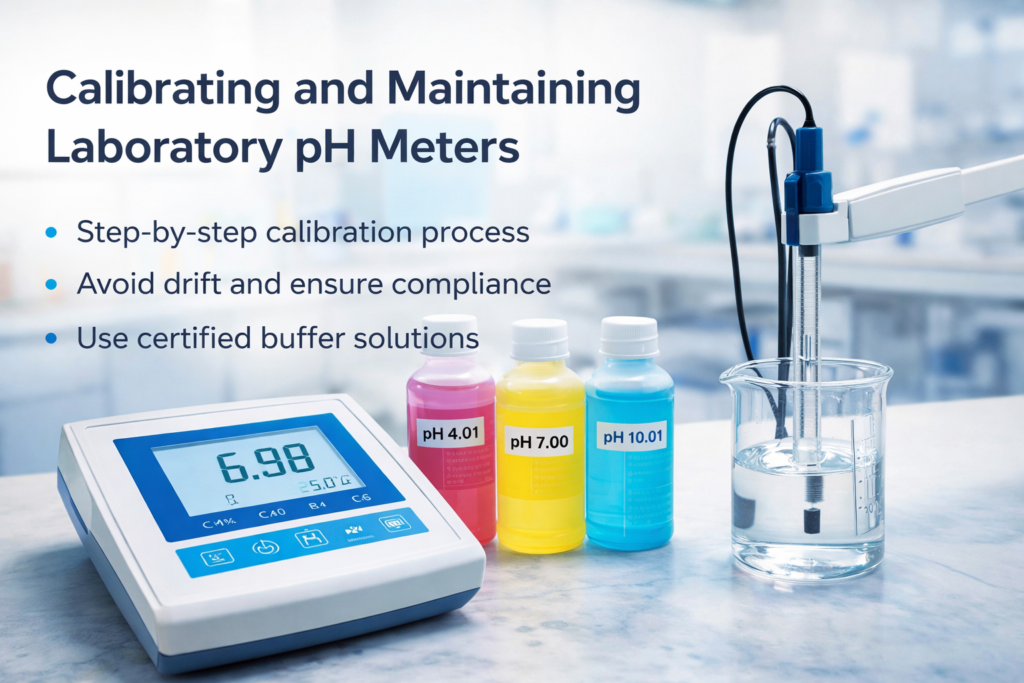
Maintain Equipment: Perform regular cleaning, servicing, and calibration of the autoclave.
Biological Monitoring: Periodically conduct spore tests to verify sterilization efficacy.
Document Every Cycle: Maintain sterilization logs for traceability and quality control.
Conclusion
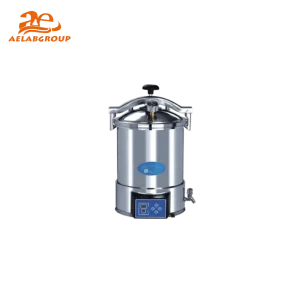
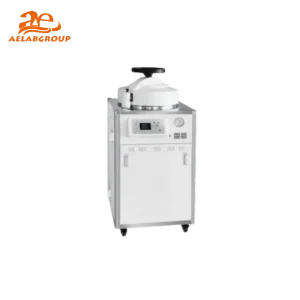
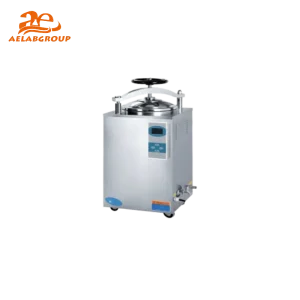
Autoclaving is a powerful and effective sterilization technique when used correctly. Understanding which items can and cannot be autoclaved is crucial for safety, equipment preservation, and regulatory compliance. Materials like stainless steel, borosilicate glass, and autoclavable plastics are reliable for repeated sterilization. In contrast, heat-sensitive, flammable, or electronic items require alternative methods such as gas plasma, ethylene oxide (EO), or chemical disinfectants. By following best practices and manufacturer guidelines, you can optimize sterilization efficiency and extend the lifespan of your tools and devices.