Introduction
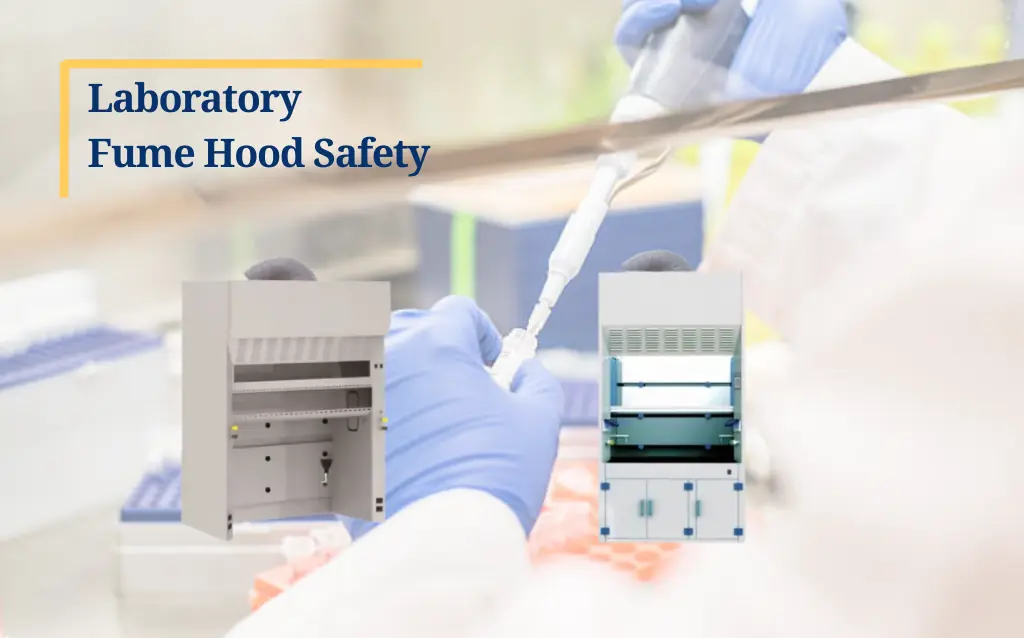
Laboratory fume hoods are essential safety devices designed to protect personnel by capturing, containing, and exhausting hazardous chemical fumes, vapors, and particulate matter. They provide a critical barrier between laboratory workers and airborne contaminants, ensuring a safer workspace. However, merely having a fume hood is not sufficient; safe use, proper maintenance, and adherence to regulatory standards are vital for effective protection. This comprehensive guide covers everything you need to know to optimize fume hood safety and compliance in your laboratory.
What Is a Laboratory Fume Hood and Why Is It Essential?
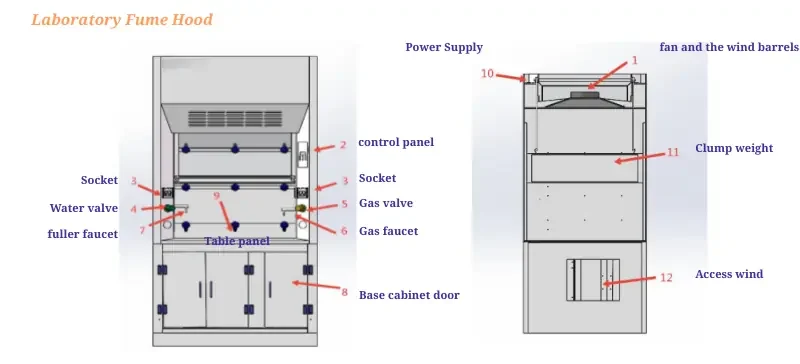
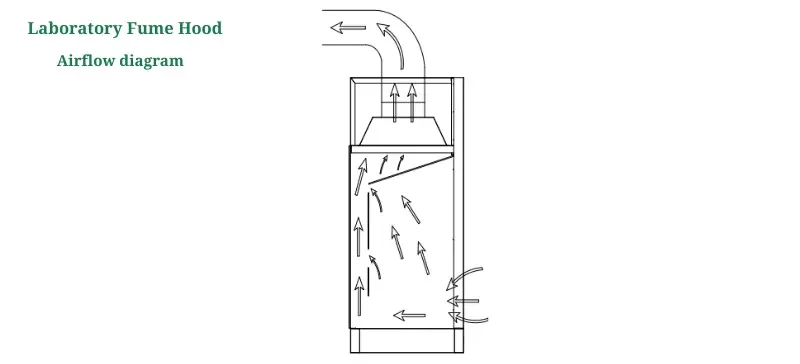
A fume hood is a ventilated enclosure that removes hazardous airborne chemicals generated during lab procedures by drawing air away from the user and exhausting it outside. It serves as the first line of defense against chemical exposure in laboratories, especially in fields such as chemistry, biology, and pharmaceutical research. Correct fume hood use minimizes health risks, prevents environmental contamination, and ensures compliance with safety regulations such as OSHA, ANSI, NFPA, and international standards.
Proper Installation and Hood Selection
Professional installation by qualified technicians is critical to ensure the hood functions correctly and meets safety standards. The hood type and specifications must be selected based on the laboratory’s specific chemical usage and experimental needs to guarantee effective containment of hazardous fumes.
Safe Operating Practices for Fume Hoods
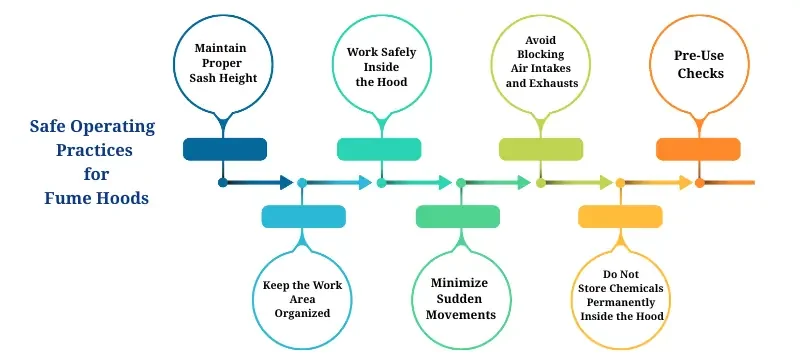
To maximize safety and hood efficiency, follow these essential guidelines:
Maintain Proper Sash Height: Keep the sash (the movable glass panel) approximately 8 inches (20 cm) above the work surface for optimal airflow and containment. Close the sash when the hood is not in use to conserve energy and increase protection.
Keep the Work Area Organized: Only place necessary items inside the hood, ensuring equipment and chemicals are at least 6 inches (15 cm) from the front opening to avoid disrupting airflow.
Work Safely Inside the Hood: Keep your hands and materials at least 6 inches inside the hood opening and avoid placing your head or body beyond the sash.
Minimize Sudden Movements: Avoid rapid hand or arm movements that can disturb airflow and reduce containment.
Avoid Blocking Air Intakes and Exhausts: Large equipment should be positioned toward the rear of the hood and elevated 2 to 3 inches (5 to 7.5 cm) above the work surface to maintain proper air circulation.
Do Not Store Chemicals Permanently Inside the Hood: Only bring chemicals and equipment into the hood as needed for immediate use, and keep chemical containers tightly closed.
Pre-Use Checks: Confirm that exhaust blowers and airflow monitors are functioning properly before starting work, using simple tests such as a strip of paper to verify inward airflow.
Maintenance and Inspection
Routine maintenance and inspection are crucial for ensuring fume hood performance and laboratory safety:
Cleaning: Regularly clean interior surfaces to remove chemical residues and dust.
Airflow Testing: Calibrate and test face velocity (typically between 80–120 feet per minute) using anemometers or smoke visualization tests.
Mechanical Inspections: Check sash operation, seals, hinges, counterbalances, lighting, and alarm systems.
Documentation: Maintain detailed records of inspections, maintenance activities, and repairs to monitor hood performance and regulatory compliance.
Scheduled Inspections: Conduct thorough inspections at least annually by certified technicians, with more frequent checks in high-usage or high-risk labs.
Addressing Issues: If airflow is insufficient or alarms indicate malfunction, immediately take the hood out of service until repairs are completed.
Training and Education
Comprehensive training programs are essential to ensure laboratory personnel understand the purpose, function, and safe operation of fume hoods. Training should cover:
Basic functions and importance of fume hoods
Correct techniques such as sash positioning, work placement, and movement control
Pre-use checks and emergency procedures
Common errors and how to avoid them
Scenario-based drills including spill response and alarm reactions
Specialized training is required for laboratories handling highly toxic or radioactive materials, alongside regular refresher courses to keep staff up to date with evolving standards.
Chemical Management and Emergency Preparedness
Review Safety Data Sheets (SDS) before handling chemicals.
Use less hazardous or less volatile alternatives when possible.
Store flammable and reactive materials in appropriate safety cabinets outside the hood unless specifically designed for such storage.
Prepare for ventilation failures and power outages with clear emergency protocols.
Ensure fire extinguishers suitable for chemical fires are accessible and personnel are trained in their use.
Report incidents immediately and activate emergency response procedures as needed.
Applicable Standards and Regulations
Compliance with the following standards is essential for laboratory safety and fume hood performance:
ANSI/AIHA Z9.5 – Laboratory ventilation standards
OSHA 29 CFR 1910.1450 – Chemical hygiene plans
NFPA 45 – Fire protection for laboratories
ASHRAE 110 – Performance testing of fume hoods
SEFA 1-2010 – Recommended fume hood practices
EN 14175 – European safety standards for fume hoods
ISO 13849 – Safety of control systems in machinery
Conclusion
Ensuring laboratory fume hood safety requires a holistic approach encompassing proper equipment selection and installation, adherence to safe operating procedures, regular maintenance and inspections, thorough user training, and strict compliance with regulatory standards. Implementing these best practices will protect personnel from hazardous exposures, maintain a safe working environment, and enhance laboratory efficiency.