
info@aelabgroup.com
QR Code 1
QR Code 2

Applications of FTIR in Scientific and Industrial Fields

Applications of FTIR in Scientific and Industrial Fields AELAB

Applications of FTIR in Scientific and Industrial Fields

Introduction

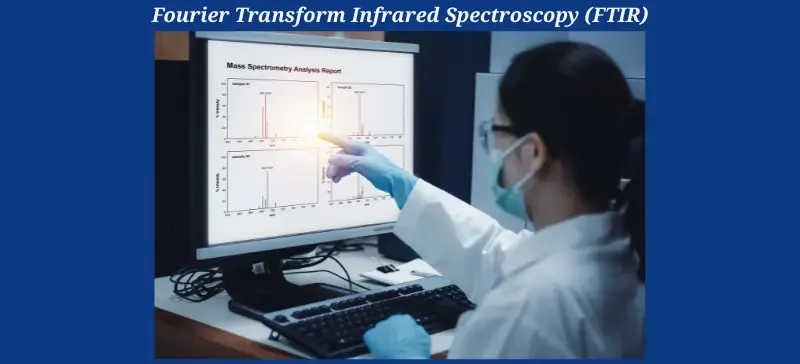
Fourier Transform Infrared Spectroscopy (FTIR) has emerged as a cornerstone technology in modern analytical science. Its ability to analyze molecular structures through unique infrared absorption patterns allows for precise identification of chemical bonds and functional groups. With advantages such as minimal sample preparation, non-destructive analysis, high sensitivity, and adaptability to solids, liquids, and gases, FTIR is widely applied across diverse fields including pharmaceuticals, environmental monitoring, materials science, and forensics.

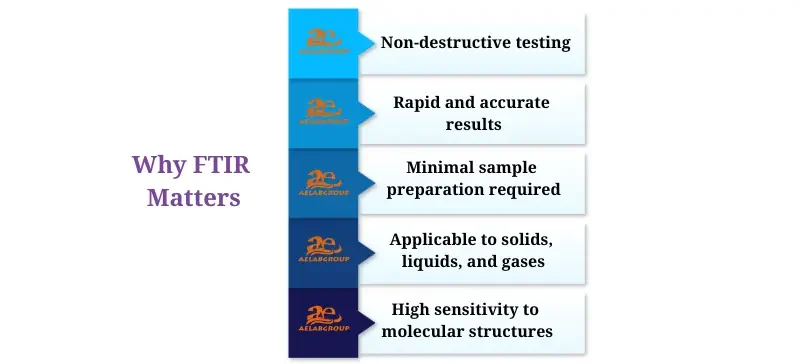
Why FTIR Matters

  • Non-destructive testing

  • Rapid and accurate results

  • Minimal sample preparation required

  • Applicable to solids, liquids, and gases

  • High sensitivity to molecular structures

Applications of FTIR in Scientific and Industrial Fields AELAB

Key Applications of FTIR Spectroscopy

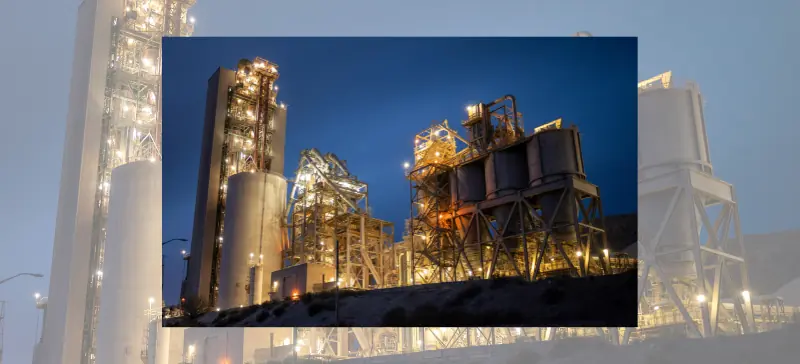
1. Chemical Industry: Quality Control and Reaction Monitoring

FTIR plays a central role in verifying raw material purity and product consistency. By comparing a sample’s spectrum to a library of known standards, contaminants and byproducts can be quickly identified. It also facilitates real-time reaction monitoring, enabling optimization of yield and adherence to safety protocols.

In polymer analysis, FTIR helps identify polymer types, additives, and contaminants—critical in both product design and recycling processes. Furthermore, it supports chemical research by analyzing reaction mechanisms and unknown compounds through functional group identification.
Applications of FTIR in Scientific and Industrial Fields AELAB


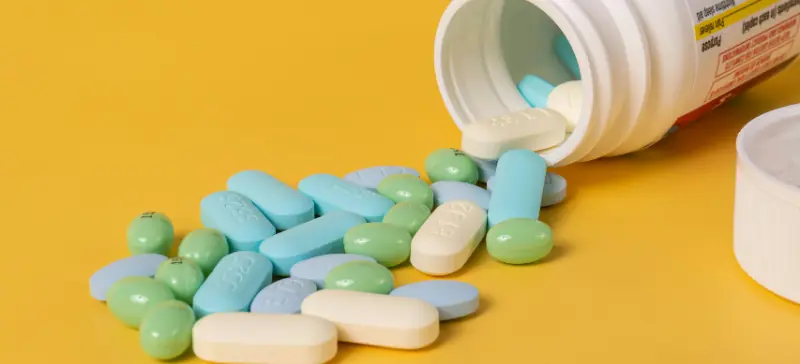
2. Pharmaceutical Industry: Ensuring Drug Integrity

FTIR spectroscopy is a trusted method in the pharmaceutical sector for the identification and validation of active pharmaceutical ingredients (APIs) and excipients. It ensures uniform distribution in formulations and detects degradation products.

In quality assurance, FTIR is used to monitor drug stability, detect counterfeit products, and comply with regulatory standards. In R&D, it helps understand drug-excipient interactions and protein conformations, contributing to the safe development of new medications.
Applications of FTIR in Scientific and Industrial Fields AELAB


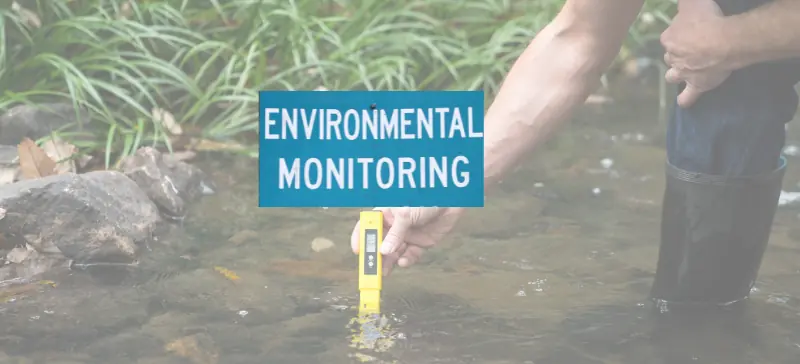
3. Environmental Monitoring: Detecting Pollutants

FTIR plays a significant role in environmental protection by identifying pollutants across air, water, and soil:

  • Air: Detects greenhouse gases, VOCs, and industrial emissions.

  • Water: Identifies contaminants in drinking and wastewater, supporting treatment and compliance.

  • Soil: Assesses fertility and detects chemical residues, helping evaluate industrial and agricultural impacts.Applications of FTIR in Scientific and Industrial Fields AELAB


4. Materials Science: Composition and Failure Analysis

FTIR is essential in characterizing the structure and composition of polymers, composites, ceramics, and nanomaterials. It provides insight into material performance and behavior under various conditions.

In failure analysis, FTIR identifies degradation processes such as oxidation or contamination. It also helps understand nanomaterial surface chemistry, vital for emerging applications in electronics and biotechnology.


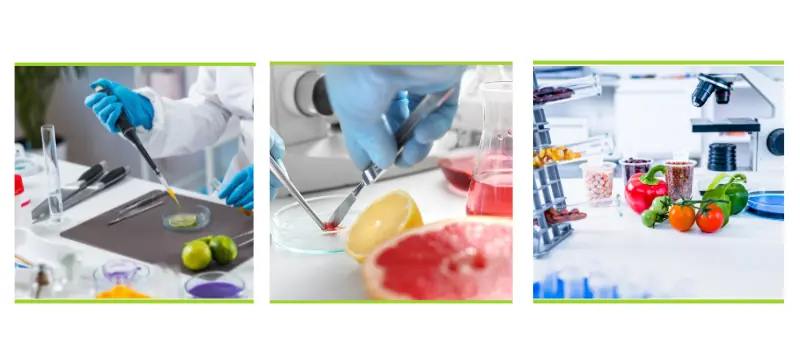
5. Food Industry: Guaranteeing Safety and Authenticity

FTIR supports food authenticity verification by detecting adulterants (e.g., in olive oil) and confirming labeling compliance. It enables quality control during processing and storage by tracking spoilage and composition changes.

Moreover, FTIR is used to detect contaminants like pesticides, heavy metals, and mycotoxins, ensuring product safety throughout the supply chain.
Applications of FTIR in Scientific and Industrial Fields AELAB


6. Forensic Science: Reliable Evidence Analysis

In forensic investigations, FTIR assists in identifying trace evidence such as fibers, paints, explosives, and unknown materials found at crime scenes. It helps link suspects to evidence and reconstruct events.

Additionally, it is used to analyze illicit drugs and determine their composition—valuable in both criminal investigations and legal proceedings.


7. Art Conservation: Preserving Cultural Heritage

FTIR is applied in art restoration to identify pigments, binders, and varnishes in artworks. The non-destructive nature of FTIR ensures that historical artifacts remain intact during analysis, allowing restorers to choose accurate and compatible restoration techniques.
Emerging and Innovative Applications

Diamond Identification

FTIR distinguishes natural and synthetic diamonds by detecting nitrogen levels and crystal structures, classifying diamonds into types (Ia, Ib, IIa, IIb) and ensuring market authenticity.

HIV Monitoring

FTIR has shown potential in monitoring metabolic changes in HIV patients, acting as a low-cost tool to track disease progression and treatment efficacy by identifying biochemical biomarkers.

Early Cancer Detection

Researchers are exploring FTIR for diagnosing cancer at molecular levels, such as breast and prostate cancer, before morphological changes are evident. This offers a promising path for early intervention.

Foodborne Pathogen Detection

FTIR can identify specific infrared signatures of pathogens, making it useful for rapid detection and portable screening devices to prevent foodborne illness.

Toxin Detection in Plastics

With rising concerns over toxic additives in plastics, FTIR is being used to detect substances like phthalates and PVC, enhancing product safety in consumer goods.

Comparison: FTIR vs Other Spectroscopic Techniques

FeatureFTIRUV-VisRaman
Sample PreparationMinimalOften requiredMinimal
Sensitivity to WaterHighLowLow
Ideal for Organic CompoundsYesLimitedYes
Non-destructiveYesSometimesYes

Tips for Optimal FTIR Use

  • Ensure proper sample preparation to minimize interference.

  • Regularly perform background scans for accurate baselining.

  • Calibrate instruments periodically for consistent results.

  • Use extensive spectral libraries for reliable compound identification.

Conclusion

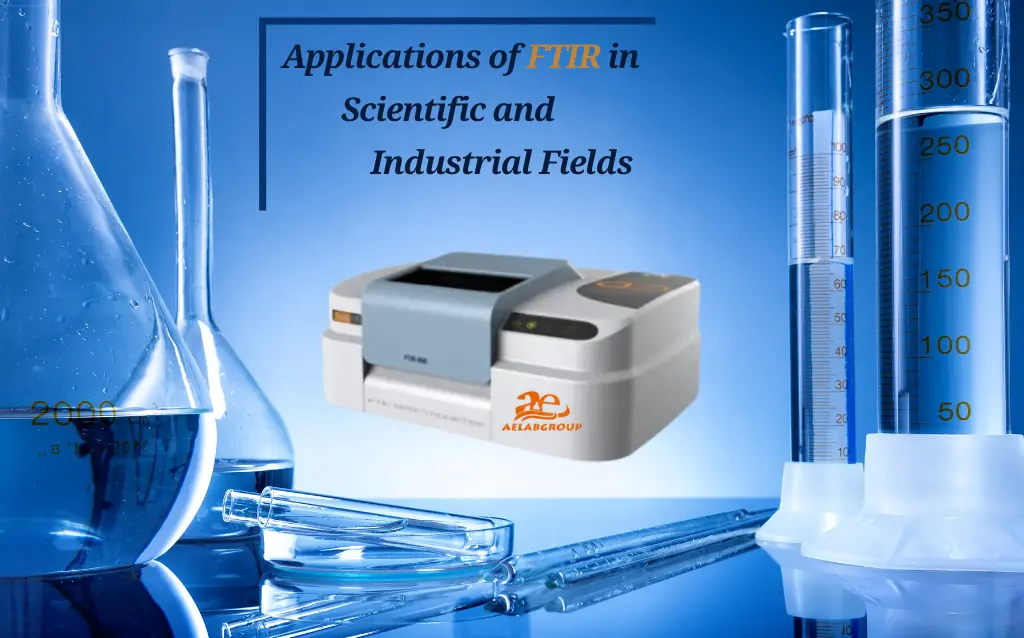
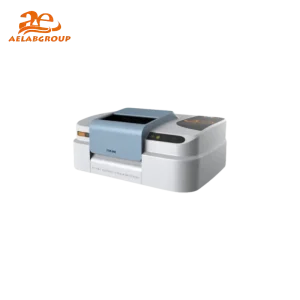
FT-IR Spectrometer FTIR-990

FTIR spectroscopy stands as one of the most powerful and flexible analytical tools available today. Its ability to deliver fast, non-destructive, and highly sensitive molecular information makes it invaluable across scientific and industrial domains. From controlling pharmaceutical quality to ensuring environmental safety, verifying food integrity, aiding forensic investigations, and even diagnosing disease, FTIR continues to shape the future of real-time chemical analysis. With advancements in portable instrumentation and integration with AI, FTIR is poised to remain at the forefront of innovation in analytical science.

Frequently Asked Questions

1What is FTIR spectroscopy and why is it important?
FTIR (Fourier Transform Infrared Spectroscopy) analyzes molecular structures by measuring infrared absorption patterns. It’s important because it provides fast, non-destructive, and highly sensitive identification of chemical bonds across solids, liquids, and gases with minimal sample preparation.
2How is FTIR used in the chemical and pharmaceutical industries?
In chemicals, FTIR ensures raw material purity, monitors reactions, and identifies polymers and contaminants. In pharmaceuticals, it verifies active ingredients, monitors drug stability, detects counterfeits, and helps understand drug interactions for safe formulation.
3What role does FTIR play in environmental monitoring?
FTIR detects pollutants in air (like greenhouse gases and VOCs), water (contaminants in drinking and wastewater), and soil (chemical residues), helping to track and control environmental pollution and support regulatory compliance.
4What are some emerging applications of FTIR?
FTIR is being explored for distinguishing natural vs synthetic diamonds, monitoring HIV metabolic changes, early cancer detection at the molecular level, rapid foodborne pathogen screening, and detecting toxic additives in plastics.
5What practical tips improve FTIR analysis accuracy?
To optimize FTIR results, ensure proper sample preparation, perform regular background scans, calibrate instruments periodically, and use extensive spectral libraries for reliable compound identification.
Share:

Categories

Laboratory and Science Knowledge

Leave a Reply

Leave a Reply

Your email address will not be published. Required fields are marked *