Introduction
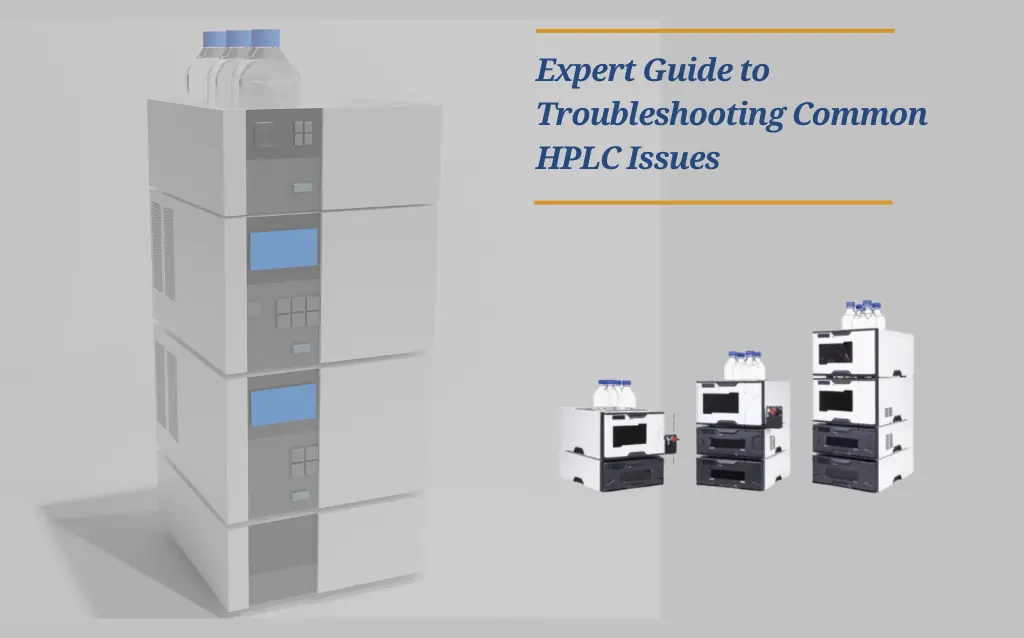
High Performance Liquid Chromatography (HPLC) is a fundamental analytical technique widely applied in pharmaceuticals, environmental monitoring, food safety, life sciences, and clinical diagnostics. By leveraging high-pressure delivery of a liquid mobile phase through a column packed with a stationary phase, HPLC achieves precise separation and quantification of complex mixtures. Despite its robustness and advanced instrumentation, users frequently encounter operational challenges that can compromise data quality, reproducibility, and instrument longevity.
This comprehensive guide consolidates key HPLC principles, typical problems, root causes, and practical troubleshooting strategies to help laboratory professionals optimize their workflows, minimize downtime, and ensure reliable analytical outcomes.
Basics of HPLC
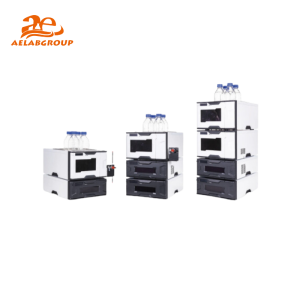
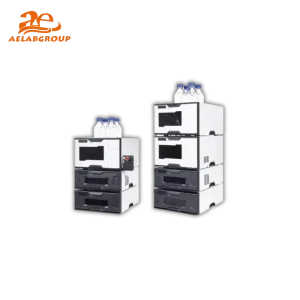
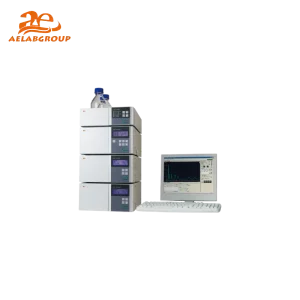
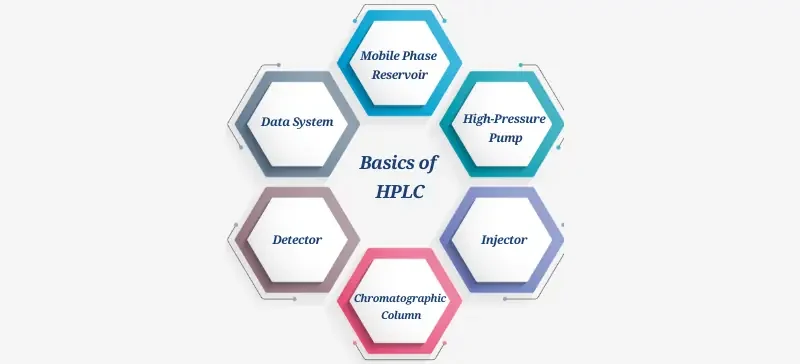
An HPLC system typically consists of:
Mobile Phase Reservoir: Contains solvents pumped through the system.
High-Pressure Pump: Delivers mobile phase at controlled, stable flow rates.
Injector: Introduces the sample into the mobile phase stream.
Chromatographic Column: Packed with stationary phase material where separation occurs.
Detector: Converts eluted compounds into measurable signals (e.g., UV, DAD, fluorescence).
Data System: Records and displays chromatograms for analysis.
The sample components interact differently with the stationary phase, leading to their sequential elution and detection, enabling qualitative and quantitative analysis.
Common HPLC Problems and Their Causes
1. System Pressure Issues
High Pressure:
Causes include clogged columns, salt precipitation (e.g., ammonium acetate), sample contamination, blocked inlet frits, or inappropriate flow rates.
Solutions: Gradually flush the column with pure water at elevated temperature (40–50°C), followed by methanol and other organic solvents; backflush if applicable; reduce flow rate temporarily.Low Pressure:
Usually caused by leaks in tubing, fittings, or pump seals, or excessively low flow rates.
Solutions: Inspect and tighten fittings; replace damaged seals; increase flow to recommended levels.Pressure Fluctuations:
Caused by trapped air bubbles due to insufficient degassing or malfunctioning pump/check valves.
Solutions: Thoroughly degas mobile phases (preferably online degassing); purge air from the pump using syringes; clean or replace check valves.
2. Air Bubbles in Mobile Phase
Bubbles can originate from microbial contamination in filters or insufficient degassing, leading to baseline noise and unstable flow.
Solutions: Soak filter heads in 5% nitric acid and ultrasonically clean; vent system via exhaust valves; flush with methanol post-cleaning.
3. Leakage Problems
Leaks degrade system performance and pose safety risks.
Causes: Loose or damaged fittings, worn pump seals, or defective injection valves.
Solutions: Carefully tighten connections (avoid overtightening); inspect and replace seals, gaskets, and sleeves; verify detector flow cell integrity.
4. Poor Peak Shape and Resolution
Peak Tailing/Broadening:
Result of column degradation, inappropriate stationary phase, sample-solvent incompatibility, or temperature fluctuations.
Solutions: Use compatible solvents; adjust sample pH; replace or clean columns; maintain column temperature with ovens.Poor Resolution:
Caused by unsuitable columns, overloaded samples, or poorly optimized methods.
Solutions: Optimize mobile phase composition, flow rate, gradient; improve sample preparation; consider alternate columns.
5. Baseline Noise and Drift
Causes: Contaminated solvents, detector lamp issues, temperature instability.
Solutions: Use high-purity solvents, degas thoroughly; maintain and clean detector flow cells; stabilize laboratory temperature.
6. Retention Time Shifts
Causes: Variations in mobile phase composition/preparation, column aging, or inconsistent pump flow.
Solutions: Prepare mobile phases consistently; equilibrate columns before runs; service pumps regularly.
7. Low Signal Intensity
Causes: Poor sample extraction, system noise, or low method sensitivity.
Solutions: Optimize sample prep; maintain instrument cleanliness; refine method parameters.
Expert Troubleshooting and Maintenance Tips
| Component | Common Issues | Recommended Actions |
|---|---|---|
| Pump | Pressure instability, leaks | Regularly inspect seals and valves; purge air; replace worn parts |
| Injector | Sample carryover, tailing | Clean injection loop; use clean syringes; check valve function |
| Column | Clogging, peak distortion | Follow flushing protocols; replace degraded columns |
| Detector | Baseline noise, lamp failure | Replace lamps; clean flow cells regularly |
Additional preventive measures include using guard columns and inline filters, filtering all samples and solvents, routine degassing, and scheduled replacement of consumables.
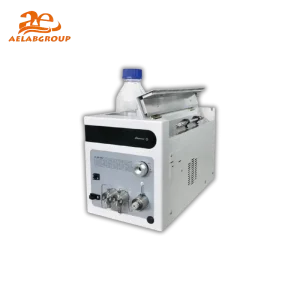
Why Choose AELAB HPLC Systems?
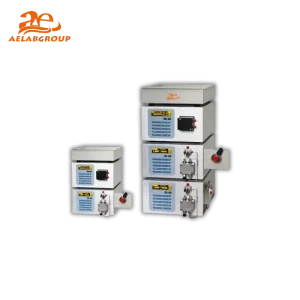
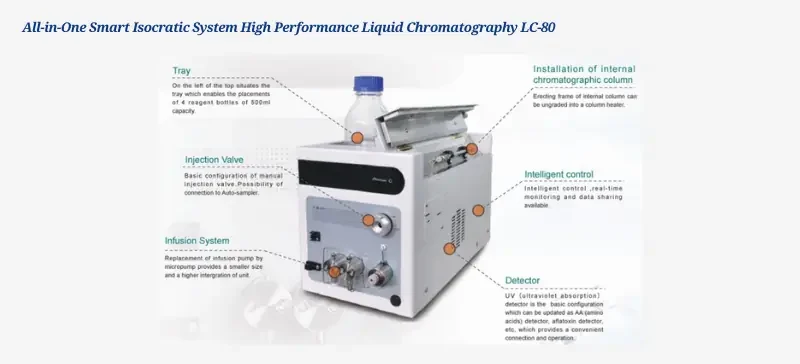
AELAB is recognized globally for manufacturing durable, reliable HPLC instruments with advanced detection capabilities. Their systems support a wide range of applications with robust performance, backed by expert technical support and competitive pricing, making them a preferred choice in analytical laboratories worldwide.
Conclusion
Proactive troubleshooting and maintenance are essential for maximizing HPLC system performance and ensuring high-quality analytical results. By understanding common issues, their causes, and applying expert solutions, users can minimize instrument downtime and extend component life. Investing in trusted equipment like AELAB HPLC systems further enhances reliability and analytical confidence.
For professional assistance and detailed guidance on your HPLC setup, reach out to AELAB’s expert team and elevate your chromatography experience.