Introduction
Freeze drying, also known as lyophilization, is a cutting-edge dehydration method widely used in pharmaceuticals, biotechnology, food preservation, and research laboratories. It involves freezing a product, reducing the surrounding pressure, and removing ice by sublimation. This process preserves product integrity, activity, and shelf life far better than conventional drying methods.
A Laboratory Freeze Dryer is a precise and powerful tool essential for this process, enabling scientists to maintain the chemical and biological properties of sensitive materials such as enzymes, vaccines, plant tissues, and food samples.
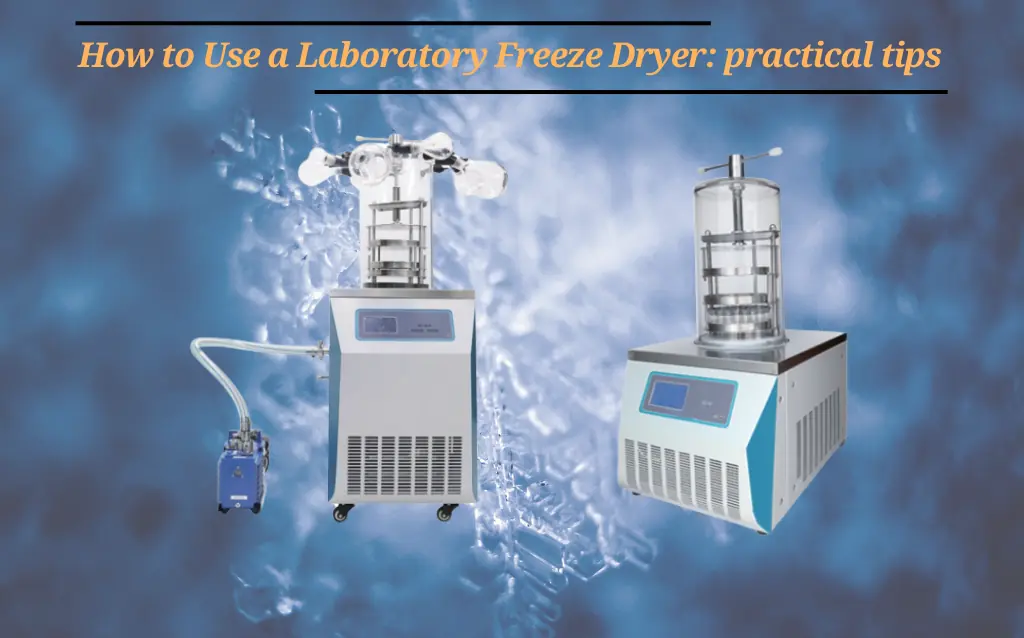
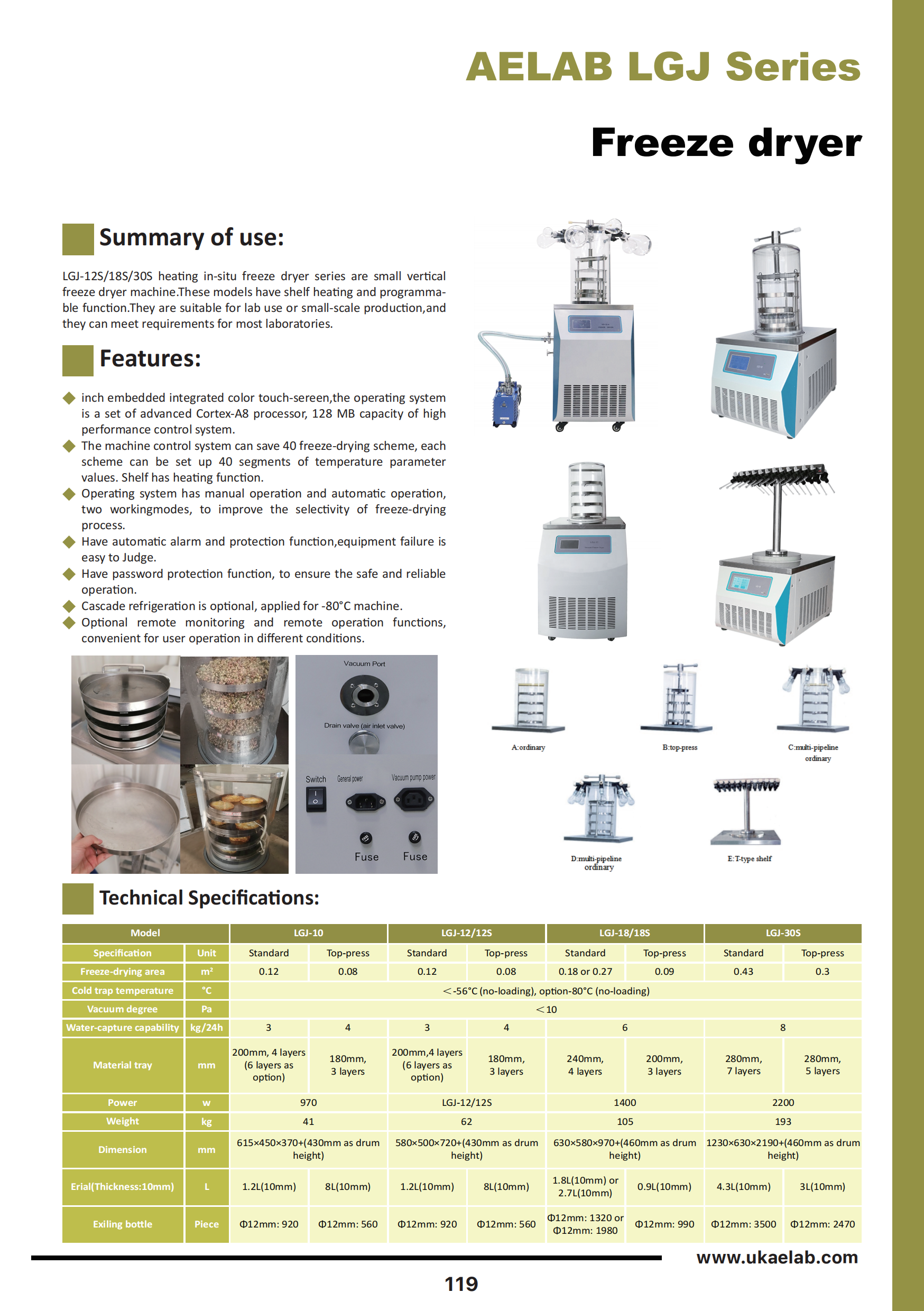
Freeze dryer LGJ-10 Series
Understanding the Freeze-Drying Process
1. Freezing
The sample is frozen completely, often to -40°C or lower, using laboratory freezers or cryogenic methods. Ice forms from the water content.
2. Primary Drying (Sublimation)
Under vacuum, ice sublimates—turning directly into vapor without melting. The vapor is captured on a cold condenser, typically around -55°C. Controlled temperature and vacuum are critical here.
3. Secondary Drying (Desorption)
Residual water molecules bound to materials are removed by slowly increasing temperature under vacuum, yielding final moisture content below 3%.
Why Freeze Drying Excels
| Feature | Freeze Drying | Air Drying | Spray Drying |
|---|
| Drying Temperature | -50°C or lower | Ambient/High | 100–200°C |
| Structural Retention | Excellent | Moderate | Poor (for biomolecules) |
| Suitable For | Biologics, drugs, food | General materials | Bulk powders |
| Shelf Life | Long | Moderate | Shorter |
Freeze drying is especially favored for sensitive products like antibodies, probiotics, and lab reagents.
Core Components of a Freeze Dryer
Refrigeration Unit (e.g., SECOP compressor): Freezes the sample rapidly.
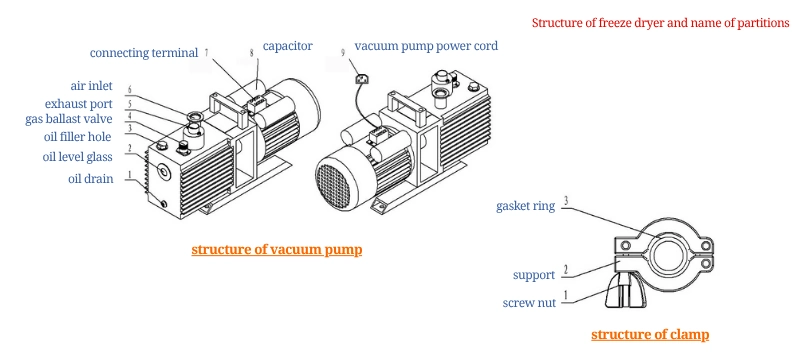
Vacuum Pump: Reduces pressure to enable sublimation.
Heating Shelves: Used during secondary drying.
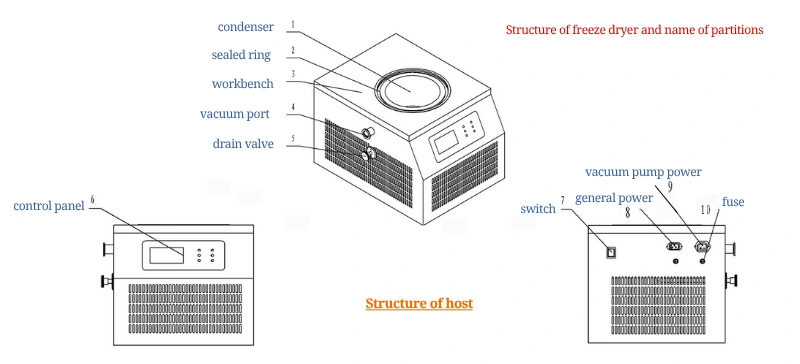
Condenser: Collects sublimated moisture (typically -55°C).
Control System: LCD touchscreen interfaces display temperature/vacuum curves.
Transparent Drying Chamber: Allows visual monitoring of drying.
Vacuum Valve & KF Joint: Ensures safe, sealed vacuum operation.
Installation and Startup Procedure
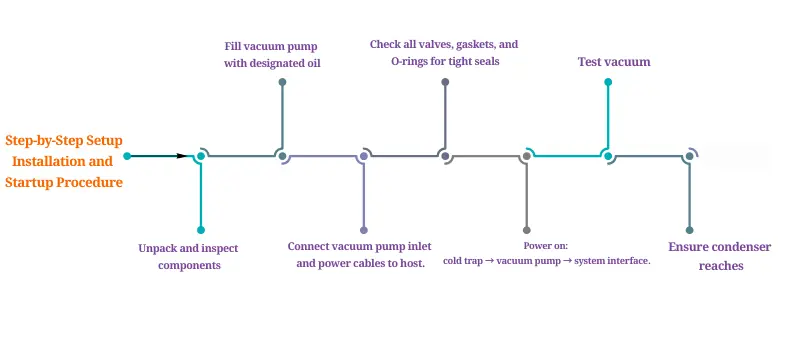
Step-by-Step Setup:
Unpack and inspect components.
Fill vacuum pump with designated oil (e.g., GS-1).
Connect vacuum pump inlet and power cables to host.
Check all valves, gaskets, and O-rings for tight seals.
Power on: cold trap → vacuum pump → system interface.
Test vacuum (target <10 Pa in 10 minutes).
Ensure condenser reaches -50°C.
Pre-Freezing and Drying Operation
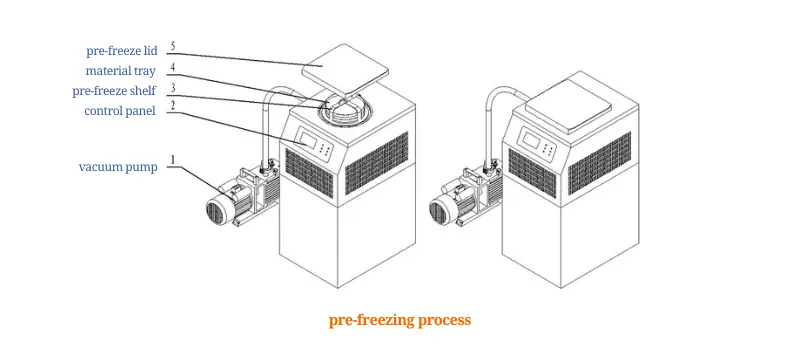
Pre-Freezing (Optional if samples are pre-frozen externally):
Turn on condenser.
Place sample trays on pre-freeze shelf.
Wait until material temp is below eutectic point.
Drying:
Load frozen samples into drying chamber or vials.
Close drain/inlet valve tightly.
Open vacuum valve and start pump.
Monitor temperature and vacuum through touchscreen.
Once drying is complete, turn off pump and open air inlet valve.
Collect dried material.
Drying Configurations
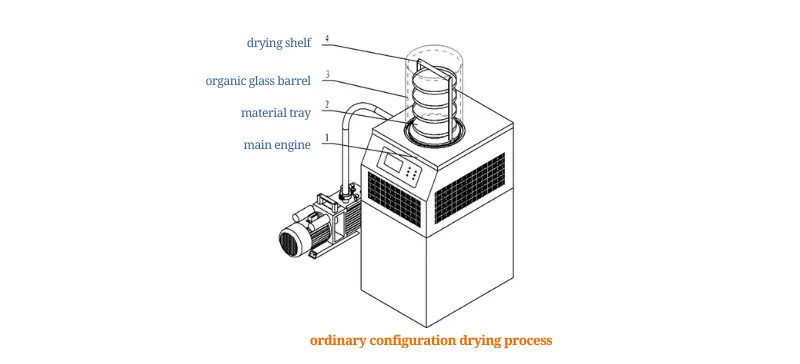
1. Ordinary Shelf Drying
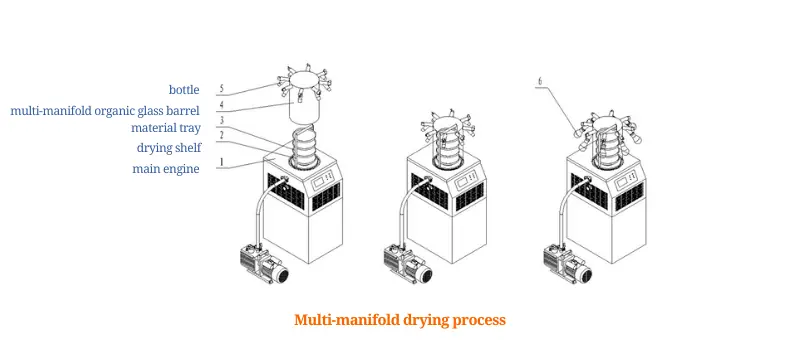
2. Multi-Manifold Drying
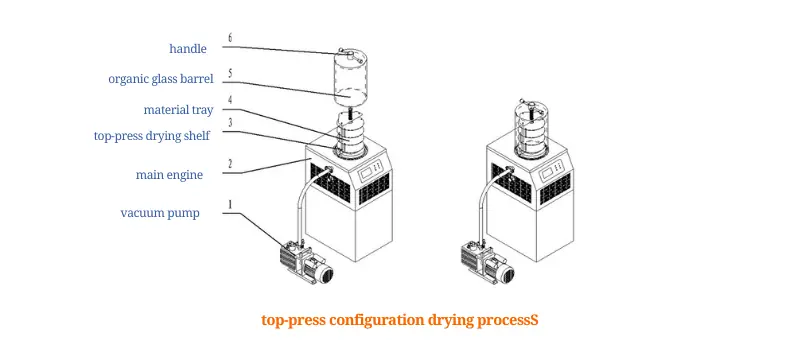
3. Top-Press Shelf Drying
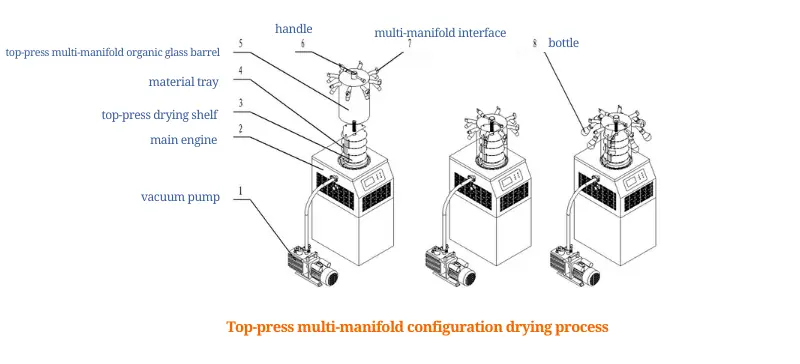
4. T-Type or Multi-Tube Drying
Maintenance & Safety Best Practices
Pre-freeze samples solid before drying.
Replace vacuum pump oil every 200 hours.
Never exceed 48 continuous hours of use.
Keep the condenser and pipes clean and free from residue.
Use gloves and eye protection—cold trap temps reach -50°C or lower.
Ensure power is grounded and avoid volatile solvents.
Troubleshooting
| Issue | Solution |
|---|
| Vacuum >15 Pa | Check pump oil, valve seals, O-ring seating. |
| High Condenser Temperature | Improve ventilation; avoid high ambient temps. |
| Compressor stops unexpectedly | Wait 3 mins before restarting. |
| Air leakage | Tighten drain/inlet valve and vacuum joints. |
Conclusion
Freeze drying stands as a cornerstone of modern preservation techniques. By blending intelligent system design, rigorous operation, and meticulous sample handling, laboratories can ensure optimal performance and reliable results. This comprehensive integration of technical know-how and user practice will empower users to maximize the potential of their freeze dryer for pharmaceuticals, biotechnology, food tech, and research.