Introduction
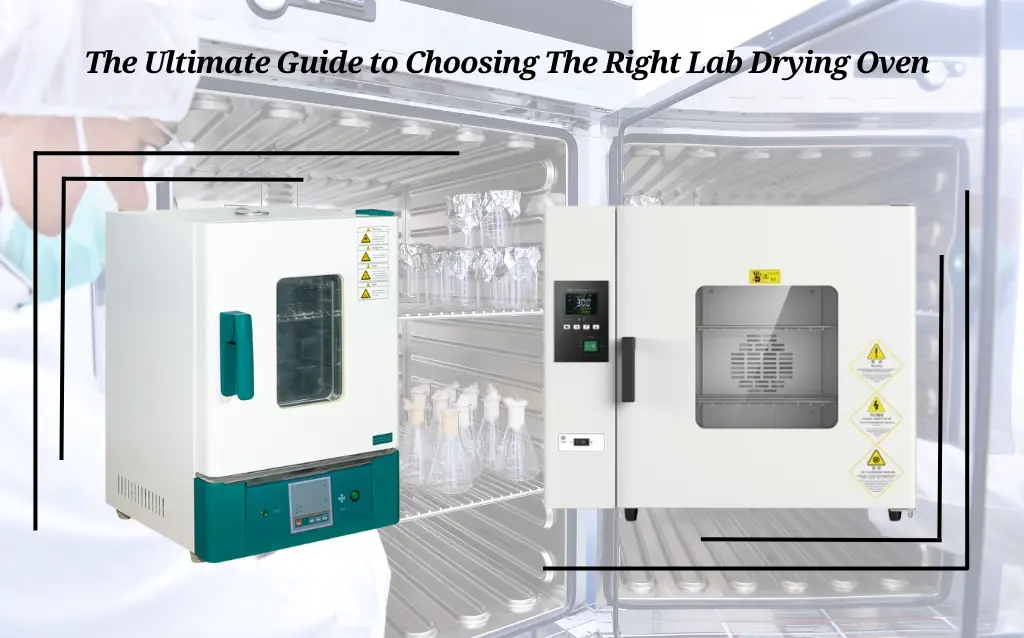
A laboratory drying oven is a critical piece of equipment across scientific, pharmaceutical, industrial, and food processing fields. From drying and curing to sterilization and thermal testing, the right oven ensures accuracy, efficiency, and safety. This guide combines expert insights and best practices to help you make an informed and strategic decision when selecting a drying oven for your needs.
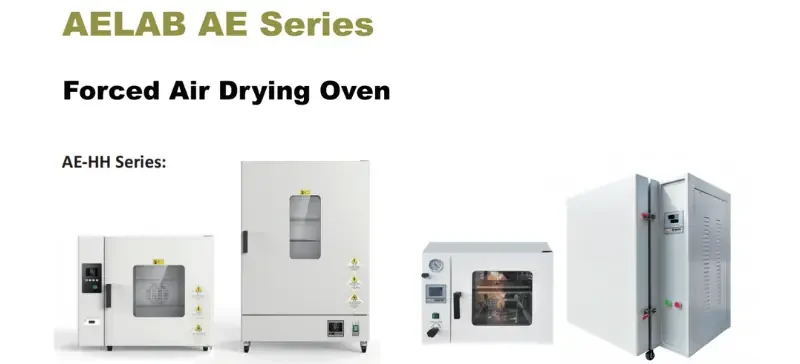
Forced Air Drying Oven AE-101-0 Series
LIO Far Infrared Fast Drying Oven AE-300 Series
What Is a Drying Oven?
A drying oven is designed to remove moisture from materials using heat. However, its functionality often extends beyond drying to include thermal aging, wax melting, sterilization, and chemical testing. Whether used in labs or industrial production lines, a well-chosen drying oven supports consistent and repeatable outcomes.
Why Choosing the Right Drying Oven Matters
Precision: Ensures consistent temperature and avoids material damage.
Efficiency: Reduces drying time and energy consumption.
Compliance: Supports adherence to industry standards and regulations.
Longevity: Enhances the lifespan of both the equipment and the materials.
Types of Drying Ovens and Their Applications
1. Mechanical Convection Ovens
These use a fan to circulate heated air for uniform temperature distribution.
Best for:
Drying moist samples
General lab heating
Stability testing
Batch processing
2. Gravity Convection Ovens
Utilize natural air circulation, offering gentle, turbulence-free heating.
Ideal for:
Delicate powders
Aging tests
Light curing and drying
3. Vacuum Ovens
Operate under reduced pressure, enabling drying at lower temperatures—especially useful for heat-sensitive or oxidation-prone materials.
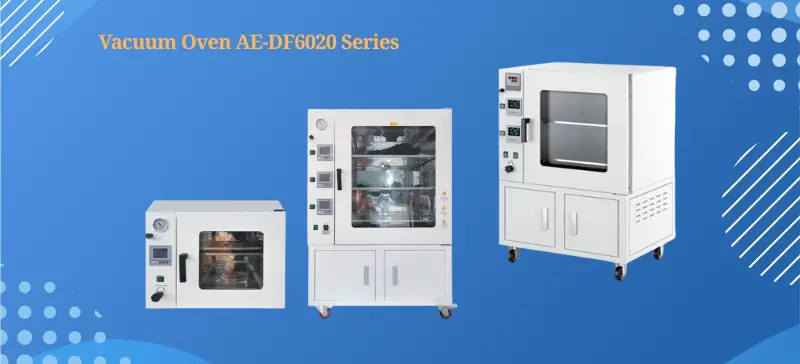
Applications include:
4. Botanical Vacuum Ovens
Engineered specifically for the safe, solvent-free drying and extraction of botanical materials, such as cannabis.
Drying Oven Selection Criteria
1. Application Requirements
Define your main use case—drying, sterilization, curing, or thermal testing. This determines the appropriate oven type and features.
2. Temperature Range
Select an oven that fits your required temperature band:
Lab use: RT +10°C to 250°C
Industrial tasks: Up to 300°C
High-performance needs: 300°C to 500°C+
Avoid unnecessarily high-temperature ovens, as they increase energy usage and cost.
3. Capacity and Dimensions
Match the oven’s internal volume to your workload and lab space. Oversized ovens can reduce efficiency, while undersized units may limit throughput.
4. Thermal Insulation and Energy Efficiency
Look for high-grade insulation materials such as polyurethane or mineral fiber to minimize heat loss and stabilize temperature.
5. Build Quality and Construction Materials
Exterior: Powder-coated steel or stainless steel for durability
Interior: Preferably stainless steel for corrosion resistance and ease of cleaning
Observation Window: Tempered glass for safety
Shelving: Removable racks and airflow-friendly design
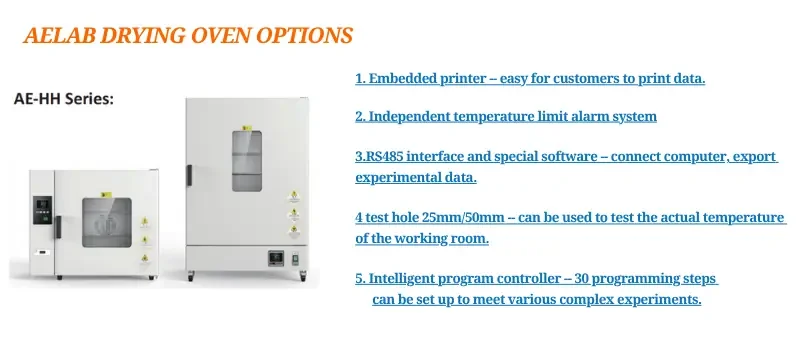
6. Control and Monitoring Systems
Digital displays with programmable features
Alarms for over-temperature and deviation
PC connectivity for remote monitoring
Auto-restart function post power failure
Performance and Functional Features
Drying Rate: Faster with mechanical convection or optimized airflow systems
Energy Use: Lower in smart-controlled, insulated models
Air Ducting: Well-designed vents for even temperature and efficient vapor expulsion
Fan System: Low-noise, high-performance fans improve circulation
Timing Controls: Manual or automated timers depending on workflow needs
Safety Considerations
Over-temperature protection
Automatic shut-off
Alarms and indicator lights
Independent thermal cutoff systems
Compliance with ISO/CE safety standards
Maintenance and Operational Tips
Follow Manufacturer Guidelines for setup, use, and cleaning
Use Approved Containers that tolerate your oven’s operating temperature
Ensure Ventilation of exhaust outlets
Calibrate Regularly using external thermometers
Inspect and Service periodically to ensure peak performance
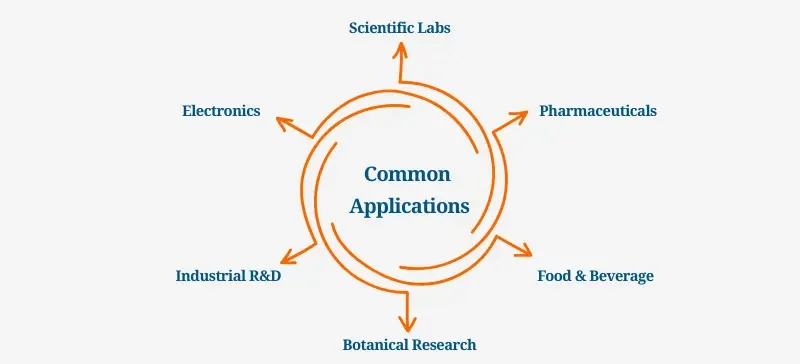
Common Applications
Scientific Labs: Sample drying, sterilization of glassware and instruments
Pharmaceuticals: Dehydration and conditioning of APIs
Electronics: Thermal stress tests, degassing
Food & Beverage: Moisture analysis, sample preparation
Industrial R&D: Resin curing, coating treatments, accelerated aging
Botanical Research: Controlled, solvent-free drying and extraction
Cost Considerations
Besides initial cost, consider:
Energy consumption
Maintenance frequency and part availability
Labor costs and ease of use
Equipment lifespan and future scalability
Premium brands may carry a higher upfront cost but offer significant long-term savings and reliability.
Expert Tips for Smart Purchasing
Request a demo or trial before purchase
Anticipate future capacity needs
Evaluate warranty and after-sales support
Confirm availability of spare parts
Check for certifications and compliance
Conclusion
Choosing the right drying oven isn’t just a technical decision—it’s a strategic investment in your lab or production environment. By understanding your operational requirements, material characteristics, and safety expectations, you can select a drying oven that improves performance, reduces risks, and maximizes return on investment.
Whether you’re in a university lab, biotech startup, or industrial plant, a well-chosen drying oven becomes a backbone for quality and precision.