

Design & Functionality
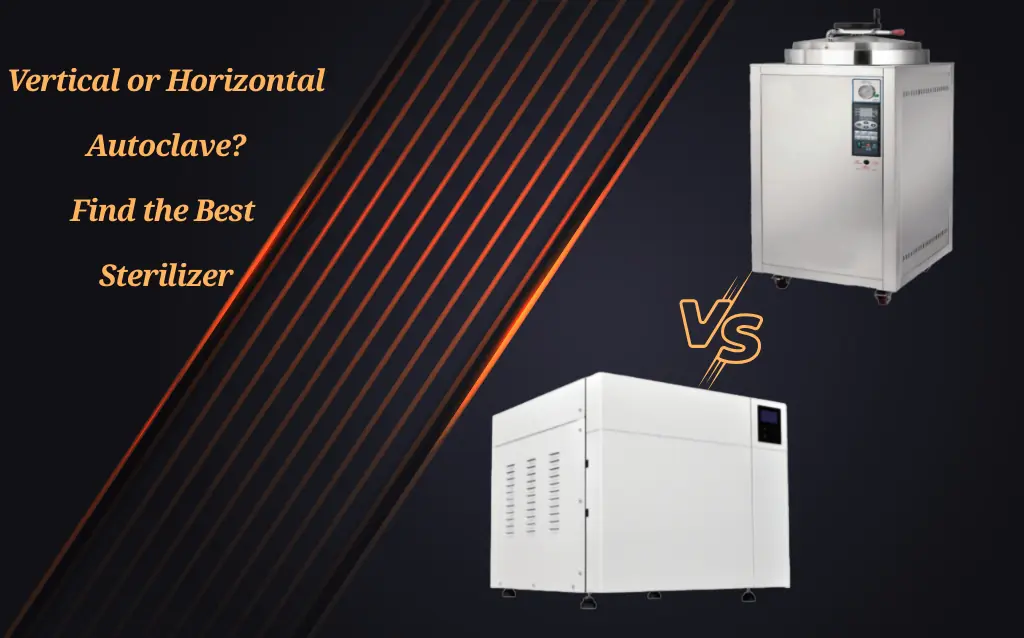
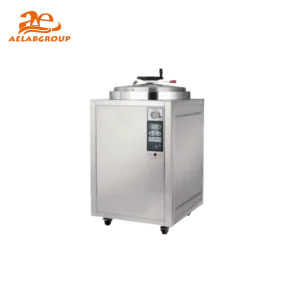
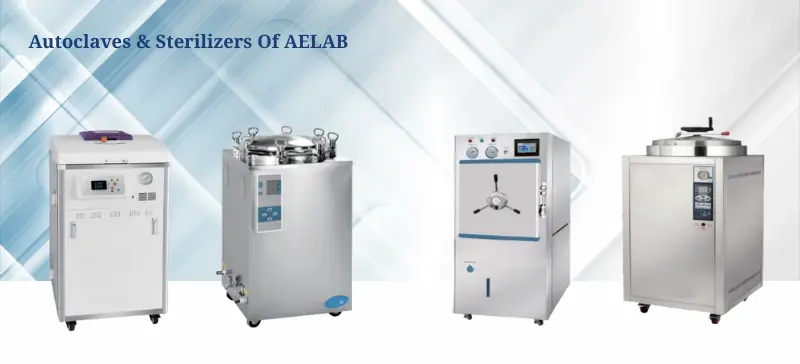
Vertical autoclaves, also known as upright autoclaves, feature a top-loading cylindrical chamber. They are ideal for smaller labs, clinics, and research units that need a compact solution for moderate sterilization loads.
How They Work:
Loading: Items are placed into the chamber from the top.
Steam Generation: Water is heated inside the unit to produce steam.
Pressurization & Sterilization: Once the proper temperature and pressure are reached, the sterilization cycle begins.
Depressurization & Drying: Some units offer partial or manual drying.
Unloading: After cooling, items are manually removed from the top.
Advantages
Space-saving design: Fits easily into small labs and tight spaces.
Budget-friendly: Lower upfront and maintenance costs.
Energy-efficient: Consumes less power and water.
Simple operation: Minimal training required.
Ideal for liquids and media: Great for sterilizing culture media, glassware, and upright items.
Limitations
Smaller capacity: Not suitable for bulk sterilization.
Ergonomic challenges: Top-loading can be inconvenient or physically demanding.
Limited drying features: Often requires external drying for wrapped instruments.
Manual processes: Lacks advanced automation features.
Design & Functionality
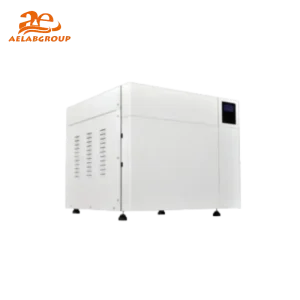
Horizontal autoclaves have a front-loading rectangular chamber, making them ideal for high-throughput facilities such as hospitals, pharmaceutical companies, and industrial labs. They offer advanced controls, ergonomic loading, and efficient drying systems.
How They Work:
Loading: Items are placed on trays or carts and inserted from the front.
Air Removal: Uses vacuum-assisted systems or gravity displacement.
Steam Injection & Sterilization: Chamber is filled with saturated steam to achieve sterilization.
Drying & Cooling: Integrated systems remove moisture and cool items.
Unloading: Items are easily removed using trays or trolleys.
Advantages
Large capacity: Suitable for sterilizing large batches, wrapped instruments, and textile loads.
Ergonomic design: Front-loading reduces physical strain.
Advanced air removal: Ensures better steam penetration in complex or porous items.
Full automation: Programmable cycles, remote monitoring, and compliance with GMP standards.
High throughput: Designed for demanding environments.
Limitations
Higher cost: Greater initial investment and maintenance requirements.
Larger footprint: Requires more space and infrastructure.
Installation complexity: Needs dedicated plumbing, power, and steam connections.
Less efficient for small loads: Not ideal for low-frequency sterilization.
When choosing a vertical or horizontal autoclave, consider these key factors:
1. Available Space
Vertical autoclaves are compact and suitable for limited-space environments.
Horizontal autoclaves require larger dedicated space and utility connections.
2. Sterilization Volume
Vertical: Best for small, infrequent loads.
Horizontal: Designed for continuous, large-scale use.
3. Workflow & Ergonomics
Vertical loading can be tiring over time.
Horizontal loading is easier, especially with carts or trays.
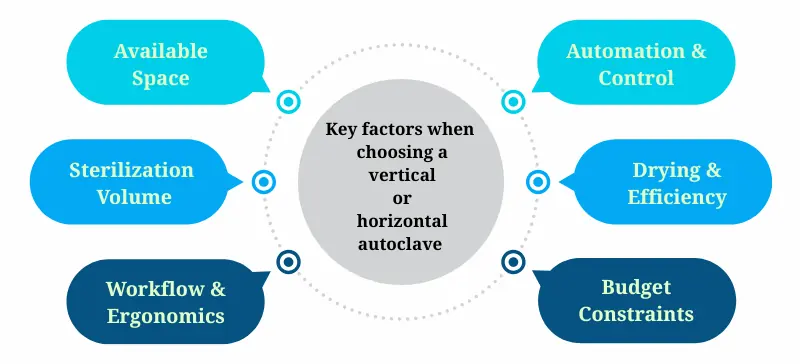
4. Automation & Control
Horizontal autoclaves come with precise control systems suitable for regulatory compliance (GMP, ISO).
Vertical models usually offer basic control interfaces.
5. Drying & Efficiency
Horizontal models offer better drying and more efficient steam penetration.
Vertical autoclaves may require post-cycle manual drying.
6. Budget Constraints
Vertical autoclaves are more affordable and cost-effective for smaller labs.
Horizontal models justify their higher cost in high-demand environments with greater ROI.