

Introduction: Laboratory vs Household Refrigerators in Scientific Storage
In clinical, pharmaceutical, and research environments, refrigeration is not just about keeping items cold—it’s about preserving the integrity of sensitive, often irreplaceable materials. While household refrigerators may seem like a cost-effective alternative, they lack the precision, safety, and compliance required in professional settings.
In this article, we’ll explore the key differences between laboratory and domestic refrigerators, and why choosing the right cold storage unit is a critical investment in scientific accuracy, safety, and long-term success.

1. Temperature Control & Stability: Precision That Protects
Laboratory refrigerators are engineered to maintain consistent temperatures within narrow tolerances—typically between 2°C and 8°C, and as low as -86°C in ultra-low models. Features like microprocessor temperature controllers, forced-air circulation, and digital monitoring systems ensure accuracy down to a fraction of a degree.
In contrast, household refrigerators fluctuate due to ambient conditions, defrost cycles, and door openings. Their broad temperature range (usually -2°C to 7°C) makes them unreliable for storing biological samples, reagents, or vaccines.
Bottom Line: Even minor temperature fluctuations can degrade samples, reduce vaccine potency, and compromise scientific outcomes.
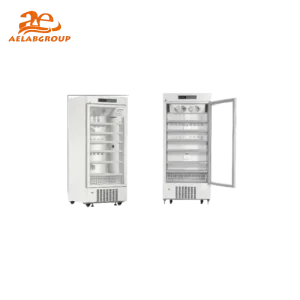
2. Construction & Design: Built for Science, Not Snacks
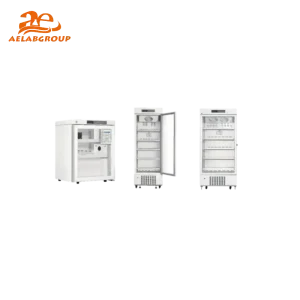
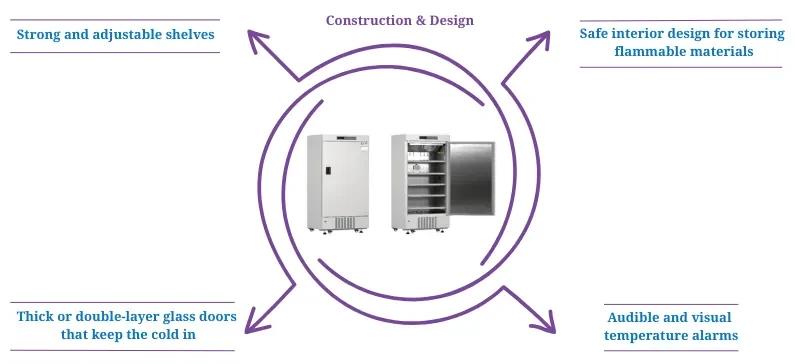
When comparing Laboratory vs Household Refrigerators, lab units are specifically designed for high-performance environments:
Reinforced adjustable shelving
Explosion-proof interiors for volatile substances
Solid or double-glazed glass doors to reduce thermal loss
Audible and visual temperature alarms
Household refrigerators, though sleek in appearance, are built for food storage. They typically lack the structural and thermal reliability needed in laboratory workflo
3. Storage Organization: Scientific Precision vs. Food Layouts
Lab-grade units come with customizable compartments, vial racks, and storage options for samples, blood, reagents, and even radioactive materials. They’re also engineered to prevent cross-contamination.
Domestic fridges, on the other hand, are designed for convenience—storing milk, vegetables, and beverages—not for sterile environments or sensitive inventory management.
4. Regulatory Compliance & Safety Standards
Laboratory refrigerators comply with international regulations, including:
CDC & WHO guidelines
GMP & UL certifications
NIST-traceable temperature sensors
Automatic logging and audit support
Household units are designed for energy efficiency and food safety only. Using one for laboratory storage could lead to regulatory violations, research delays, or even legal liabilities.
5. Defrost Systems in Laboratory vs Household Refrigerators: Lab-Specific vs. Domestic Limitations
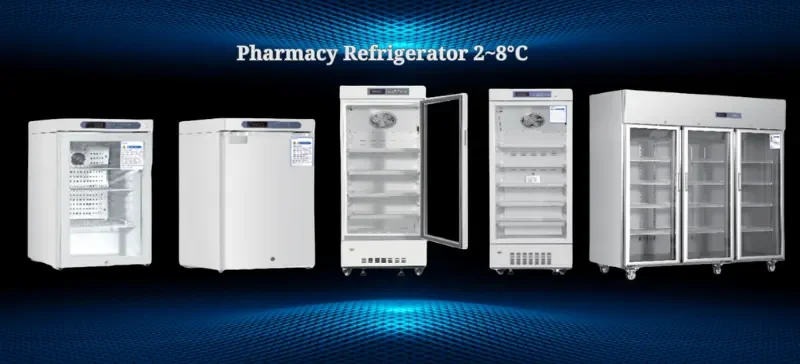
Lab refrigerators offer:
Auto-defrost systems with fan-assisted circulation for even temperature
Manual defrost options for sensitive items that must avoid airflow
In contrast, household refrigerators often rely on passive or aggressive defrost cycles, which can lead to wide temperature swings—making them inappropriate for pharmaceutical or medical storage.
6. Common Risks of Using Domestic Units in Labs
| Feature | Laboratory Refrigerator | Household Refrigerator |
|---|---|---|
| Temperature Accuracy | Precise (±0.1°C) | Unstable |
| Data Logging | Automatic | Manual or None |
| Regulatory Compliance | GMP, CDC, NIST | Not Compliant |
| Air Circulation | Forced Air | Natural Convection |
| Explosion-Proof | Available | Unsafe for Chemicals |
| Monitoring & Alarms | Real-time Alerts | Lacking |
7. Why Choose Lab Refrigerators from Trusted Brands Like AELAB
Reputable manufacturers such as AELAB specialize in laboratory refrigeration systems tailored for hospitals, biotech labs, and research centers. With over 20 years of expertise, their equipment combines reliability, innovation, and compliance.
AELAB Lab Refrigerator Solutions Include:
-86°C Ultra-Low Freezers: 58L to 838L capacity
4°C Blood Bank Refrigerators: ±1°C precision, 500L capacity
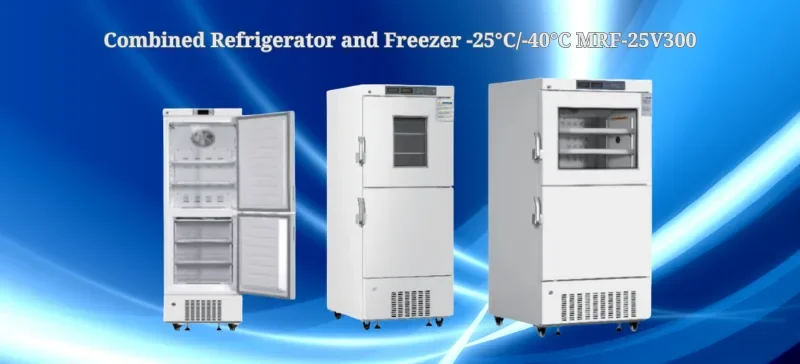
2–8°C Precision Units: Forced air cooling, 100L–1500L capacity, auto defrost
All models feature integrated alarms, advanced temperature control, and compliance with international safety standards.
Conclusion: Laboratory vs Household Refrigerators—Why Accuracy Matters
While household refrigerators may seem budget-friendly, they pose significant risks when used in scientific environments. From temperature instability to compliance issues, the hidden costs can far outweigh the initial savings.
Understanding the trade-offs in Laboratory vs Household Refrigerators highlights that choosing a laboratory-grade unit is not just a technical decision—it’s a safeguard for your research integrity, patient safety, and long-term financial investment.
Looking for a professional refrigeration solution?
Explore AELAB’s certified lab refrigerators or speak with an expert today.