

Introduction
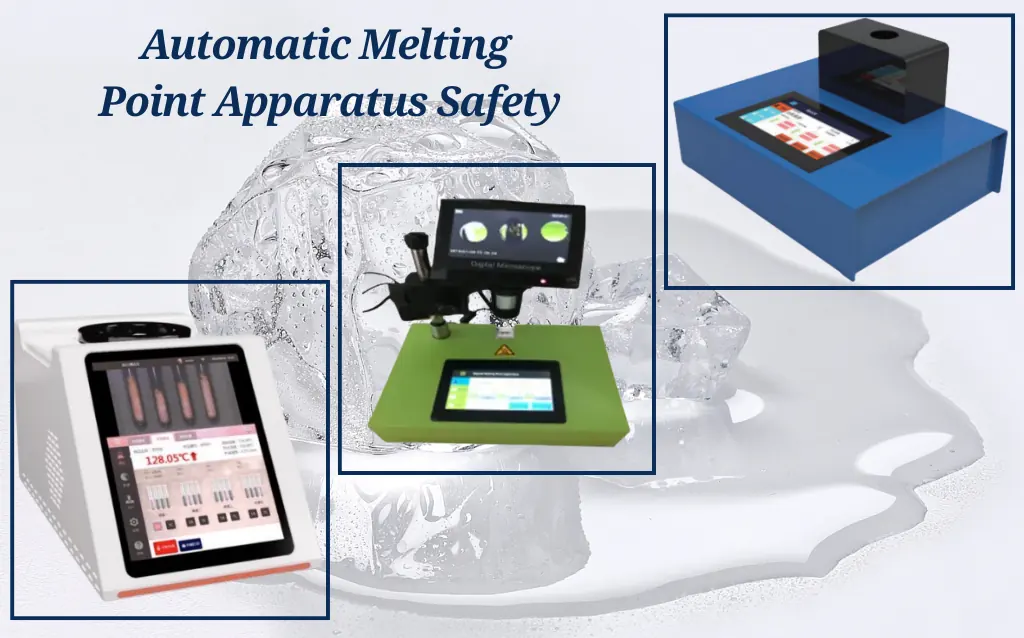
Automatic Melting Point Apparatus Safety is essential for achieving accurate results and protecting laboratory staff.
Melting point determination plays a critical role in chemistry, pharmaceuticals, and materials science, and modern automatic devices make the process faster and more precise. However, without proper safety measures, users risk equipment damage, inaccurate results, and personal injury.
This guide provides step-by-step safety guidelines, technical recommendations, and operational tips for anyone working with an automatic melting point apparatus.
What Is an Automatic Melting Point Apparatus?
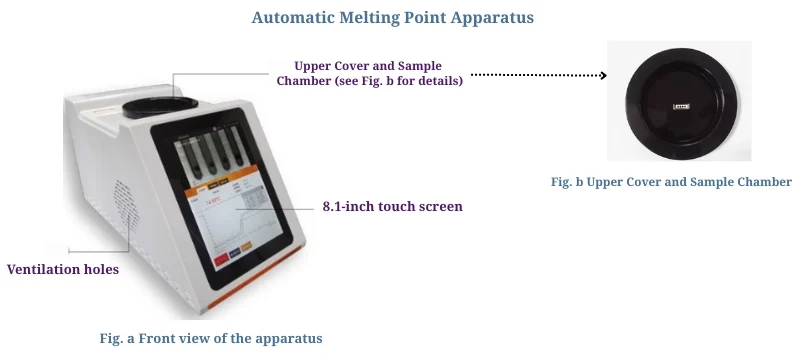
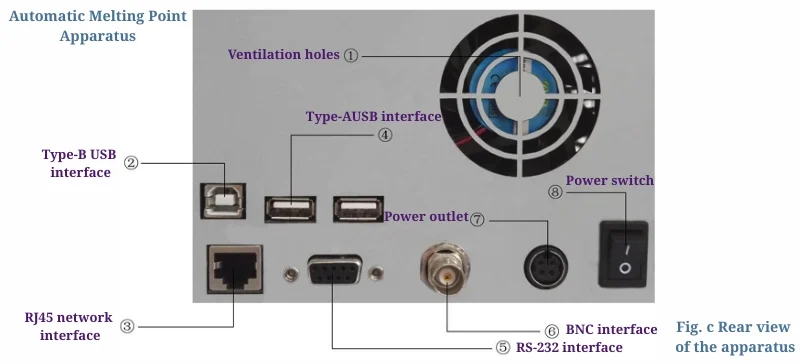
An Automatic Melting Point Apparatus is a laboratory instrument that determines the precise temperature at which a solid becomes a liquid.
From a safety perspective, these devices are designed with built-in protections to minimize hazards. Major parts include:
Heating Block: Uniform heating for consistent results
Heating Element: Generates controlled heat
Temperature Sensor: Monitors temperature in real time
Cooling System: Prevents overheating and allows rapid retesting
Digital Display: Shows readings and settings
Automated Controls: Adjust heating rates, temperature ranges, and cooling options
Sample Holder: Holds samples securely for uniform heating
Safety Features: Overheat protection, automatic shutdown, and alarms
Why Automatic Melting Point Apparatus Safety Matters
Even with modern automation, potential hazards exist:
Burn risks from hot surfaces
Chemical exposure to hazardous substances
Measurement errors caused by poor sample preparation or skipped calibration
Electrical risks from improper connections
Focusing on safety measures guarantees the protection of users and the accuracy of laboratory outcomes.
Pre-Operation Safety Checklist
Before starting, follow these essential safety steps:
Read the manual thoroughly
Inspect the device for damage or faulty wiring
Wear PPE – lab coat, safety goggles, and heat-resistant gloves
Prepare a safe workspace – clean, ventilated, and free of hazards
Ensure safe electrical grounding

Safe Sample Preparation Guidelines
Proper sample preparation is essential for ensuring both safety and accurate results:
Use pure, dry samples to avoid melting point depression
Grind into a fine, homogeneous powder with clean tools
Dry moist samples in a desiccator
Fill capillary tubes to a maximum of 3 mm height
Label clearly with identity, batch number, and hazard info
Handle toxic or volatile substances in a fume hood

Safe Operating Procedures
To maintain Automatic Melting Point Apparatus Safety during testing:
Calibrate annually using reference standards
Maintain a heating rate of 1 °C/min for high precision
Start 3–5 °C below the expected melting point
Keep quartz tube pressure
Avoid electrode–crucible contact in arc melting methods
Never leave the apparatus unattended
Post-Operation Safety Steps
Once testing is complete:
Allow all components to cool completely before handling
Turn off and unplug the device if not in use for extended periods
Clean the chamber to avoid contamination
Store the device in a dry, dust-free location
Report any faults to technical staff immediately
Automatic vs. Manual Melting Point Determination
| Feature | Automatic Apparatus | Manual Method |
|---|---|---|
| Accuracy | ±0.1 °C | Variable |
| Safety | Higher | Lower |
| Speed | Multiple samples | One at a time |
| Data Storage | Digital | Manual notes |
| Skill Level | Moderate | High |
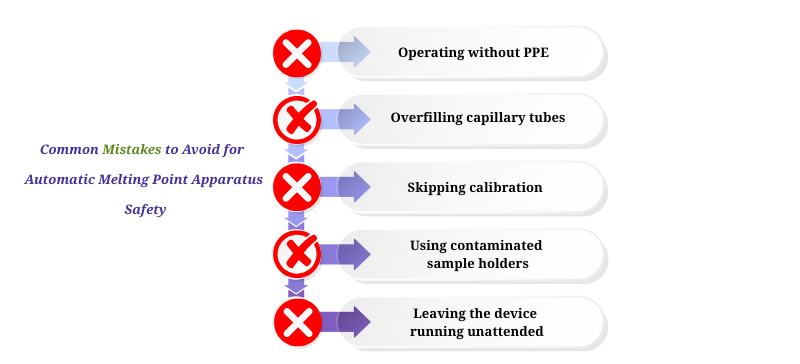
Common Mistakes to Avoid for Automatic Melting Point Apparatus Safety
To ensure accurate results and maintain safety, avoid:
Operating without PPE
Overfilling capillary tubes
Skipping calibration
Using contaminated sample holders
Leaving the device running unattended
Conclusion
Automatic Melting Point Apparatus Safety is not just about preventing accidents—it’s also about ensuring accurate, reproducible scientific results.
By following the recommended safety procedures, preparing samples correctly, and maintaining your equipment, you safeguard both your laboratory team and the integrity of your data.
For laboratories seeking precision, durability, and built-in safety features, AELAB offers top-quality automatic melting point apparatus models with excellent after-sales support.