Introduction
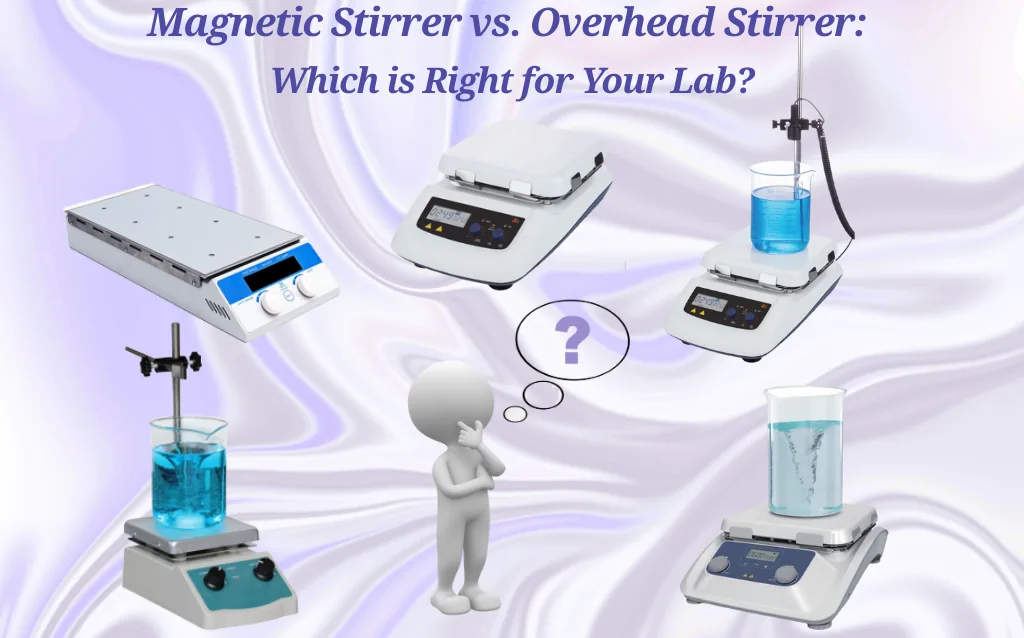
Stirring is an essential process in a laboratory, whether for blending, dissolving, or mixing various substances. Whether you are working in a chemistry, biology, pharmaceutical, or materials science lab, selecting the right stirring tool is crucial for efficiency and precision. When comparing Magnetic Stirrer vs. Overhead Stirrer, both serve the primary function of stirring liquids, but they differ significantly in design, performance, and suitability for various applications. This guide will help you understand these key differences and how to choose the right tool for your specific laboratory needs.
What are Magnetic Stirrers?
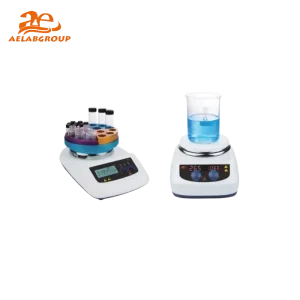
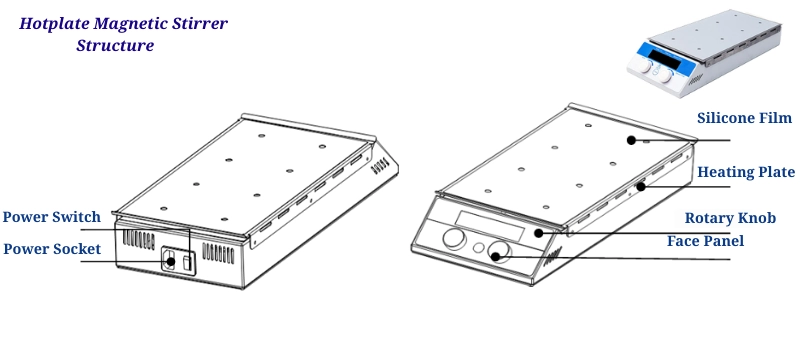
Magnetic stirrers are laboratory devices that use a rotating magnetic field to agitate liquids. A small, magnetically powered stir bar (also known as a flea) is placed in the liquid, and beneath the container, a rotating magnet drives the stir bar. These stirrers are commonly used in laboratories where low-viscosity liquids, such as aqueous solutions and buffers, need to be mixed gently.
How They Work
The magnetic stirrer uses a motor to create a rotating magnetic field beneath the container, which causes the stir bar inside the liquid to spin. This mechanism provides gentle and consistent stirring without direct contact between the stirrer and the liquid.
Advantages and Limitations
Advantages:
Minimal Contamination: The stir bar is the only part in contact with the liquid, reducing contamination risk and ensuring sterility.
Compact and Quiet: Magnetic stirrers are lightweight, take up little space, and operate quietly.
Ease of Use: They are user-friendly with minimal setup and maintenance, making them ideal for routine laboratory tasks.
Ideal for Small Volumes: Magnetic stirrers are ideal for smaller volumes (up to 5 liters), especially in closed systems where contamination must be minimized.
Limitations:
Limited Torque and Power: Magnetic stirrers struggle with high-viscosity liquids and are less effective for dense or thick substances.
Stir Bar Wear: Over time, stir bars may degrade or lose magnetic strength, reducing their effectiveness
What are Overhead Stirrers?
Overhead stirrers are more robust, motor-driven devices designed to stir higher volumes and more viscous materials. Unlike magnetic stirrers, overhead stirrers use a motorized shaft and stirring tool (such as blades or paddles) directly immersed in the solution, offering more power and precision.
How They Work
An overhead stirrer consists of a motor unit mounted above the container, with a shaft extending downward into the liquid. The stirring tool, which can be customized to fit the application, rotates to agitate the mixture. This setup offers higher torque and can handle a wide variety of materials, including high-viscosity substances.
Advantages and Limitations
Advantages:
Handles High Viscosity: Overhead stirrers can mix thick materials such as gels, polymers, and emulsions.
Customizable Stirring Tools: Various impellers can be used, offering versatility for different types of mixing applications.
High Power and Torque: Overhead stirrers provide more mixing force, making them suitable for large volumes and challenging materials.
Precise Control: Many models offer digital controls for speed, torque, and timers, ensuring accurate mixing.
Limitations:
Higher Contamination Risk: Since the stirring shaft and tool are immersed in the solution, cleaning is crucial to avoid contamination.
Complex Setup and Maintenance: These stirrers require more space, careful mounting, and regular maintenance due to their more intricate mechanical parts.
Key Differences Between Magnetic Stirrer vs. Overhead Stirrer
| Feature |
Magnetic Stirrer |
Overhead Stirrer |
| Volume Capacity |
Up to 5 liters |
50 L to 100 L and beyond |
| Viscosity |
Best for low-viscosity liquids |
Suitable for high-viscosity liquids |
| Speed Control |
Basic (100–1600 RPM) |
Advanced (up to 6000 RPM) |
| Heating Function |
Often includes hotplate |
Requires external heating |
| Type of Vessel |
Flat-bottom vessels |
Works with both flat and round-bottom vessels |
| Stirring Application |
Gentle mixing (e.g., dissolving) |
High-shear mixing, emulsifications |
| Maintenance |
Minimal |
Requires more frequent maintenance |
| Size |
Compact and portable |
Larger, requires more space |
| Cost |
Lower cost |
Higher cost |
Choosing the Right Stirrer for Your Lab
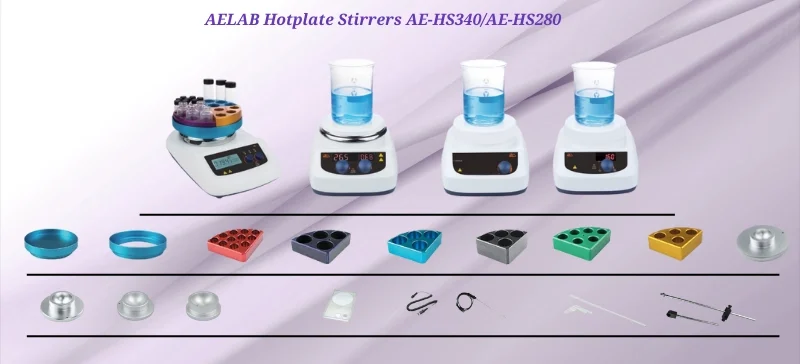
AELAB Hotplate Stirrer AE-HS550C – Efficient Magnetic Stirring & Heating for Labs
When considering the Magnetic Stirrer vs. Overhead Stirrer, it’s important to evaluate several key factors to determine which is best suited for your laboratory needs. Here are the top six aspects to consider:
1. Sample Volume:
Magnetic stirrers are perfect for small volumes (up to 5 liters), making them ideal for routine tasks like dissolving salts, buffers, or preparing culture media. For larger volumes, overhead stirrers are the better choice, capable of handling up to 100 liters or more.
2. Viscosity of Samples:
If you’re working with high-viscosity materials (e.g., gels, emulsions, or slurries), an overhead stirrer is the better option. Magnetic stirrers are more suited to low-viscosity liquids and may struggle with thicker materials.
3. Speed and Precision:
For processes requiring precise speed control, overhead stirrers provide greater flexibility with higher RPM ranges and customizable settings. Magnetic stirrers are more limited in terms of speed, which is sufficient for less demanding tasks.
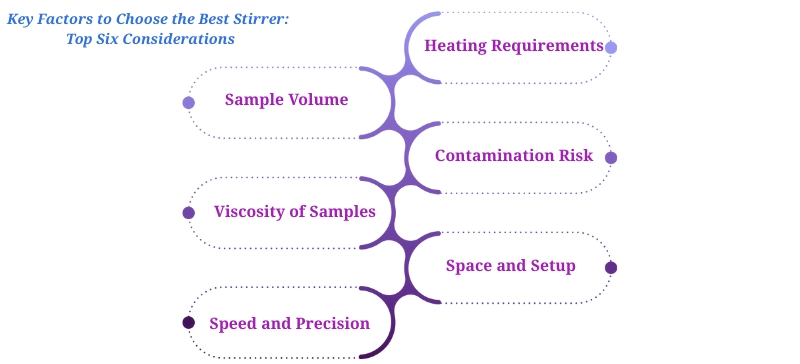
4. Heating Requirements:
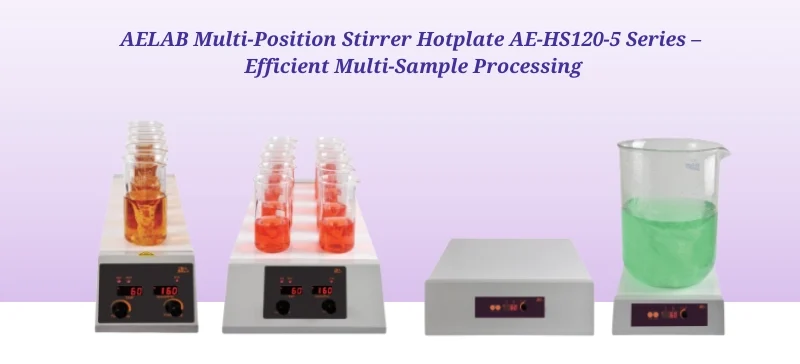
If you need simultaneous mixing and heating, magnetic stirrers with built-in hotplates are an efficient solution for small volumes. For larger samples, you may need to pair an overhead stirrer with an external heating source.
5. Contamination Risk:
Magnetic stirrers are ideal for maintaining sterile conditions, as the stir bar is the only part that comes into contact with the liquid. Overhead stirrers, however, have a higher contamination risk due to the immersion of the stir shaft and tool in the solution.
6. Space and Setup:
Magnetic stirrers are compact and require minimal bench space, making them suitable for smaller labs. Overhead stirrers, with their larger motor units and mounting requirements, take up more space and may not be ideal for smaller lab setups.
Final Thoughts on Magnetic Stirrer vs. Overhead Stirrer
When deciding between Magnetic Stirrer vs. Overhead Stirrer, it’s essential to consider factors like sample size, material viscosity, and the level of control required. Magnetic stirrers provide a cost-effective, easy-to-use solution for small-scale, low-viscosity mixing, while overhead stirrers excel at handling large volumes and high-viscosity substances. Each tool offers distinct advantages, so choosing the right one depends on your laboratory’s specific needs and applications.
Call to Action:
Explore our full range of magnetic and overhead stirrers to find the perfect fit for your lab’s requirements. Contact our experts for personalized advice or a demo tailored to your needs!