Introduction
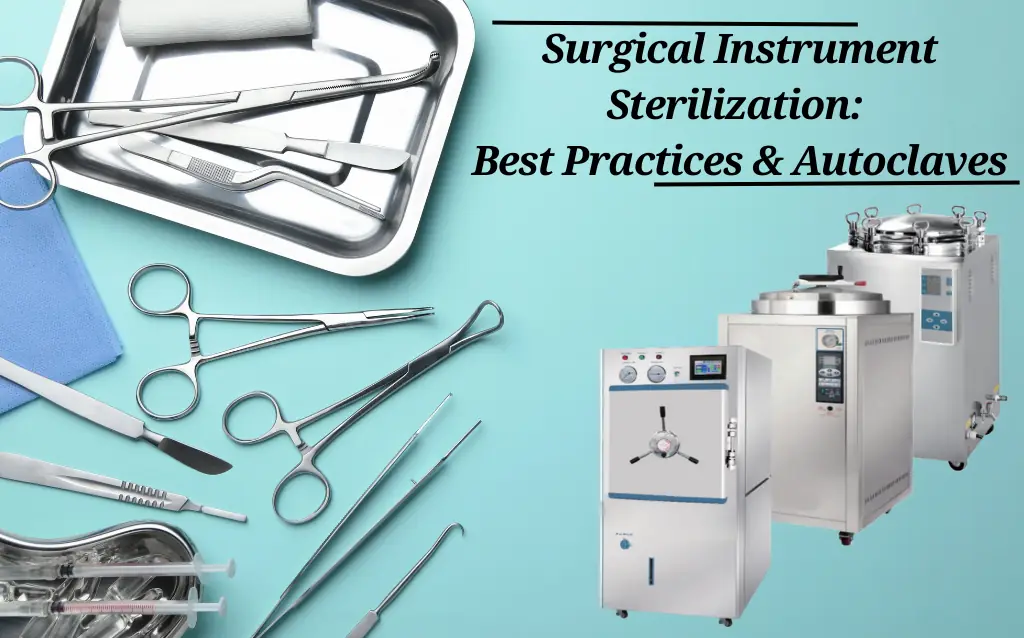
In modern surgery, Surgical Instrument Sterilization is non-negotiable. Cleaning or disinfection alone cannot eliminate resilient bacterial spores and microorganisms. That’s why proper sterilization remains the cornerstone of patient safety, infection prevention, and surgical success.
Among the many methods available, steam autoclaves remain the gold standard. They are fast, reliable, eco-friendly, and suitable for most surgical tools. However, alternatives like ethylene oxide gas, hydrogen peroxide plasma, and dry heat sterilization are also used for specific cases.
This article explores the most effective sterilization techniques, explains how autoclaves work, outlines proper settings and usage, and provides best practices to extend the life of surgical instruments.
Why Surgical Instrument Sterilization Matters
Effective Surgical Instrument Sterilization provides multiple benefits in healthcare, including:
Prevents surgical site infections (SSIs)
Reduces postoperative complications and hospital stays
Improves patient recovery rates
Ensures compliance with international medical standards
Builds trust in healthcare services
Methods of Surgical Instrument Sterilization
Healthcare facilities use different techniques depending on instrument type and material:
Steam Sterilization (Autoclave)
Uses pressurized steam at 121–134°C to kill bacteria, viruses, fungi, and spores. Reliable, fast, and eco-friendly—ideal for most surgical tools.Ethylene Oxide Gas (ETO)
Suitable for heat- or moisture-sensitive devices. Effective but toxic, requiring long aeration times.Dry Heat Sterilization
Involves hot air at 160–190°C, ideal for powders, oils, and glassware.Hydrogen Peroxide Plasma / Vaporized Hydrogen Peroxide (VHP)
Low-temperature sterilization for delicate instruments. Effective but more expensive.Radiation Sterilization
Uses gamma rays or electron beams, mainly for large-scale disposables.Glass Bead Sterilizers
Heats glass beads for quick re-sterilization during procedures.UV Sterilization
Disinfects surfaces, air, and water—not a substitute for surgical tool sterilization.
👉 Despite alternatives, AELAB steam autoclaves remain the most trusted and widely used sterilization method in hospitals and clinics.
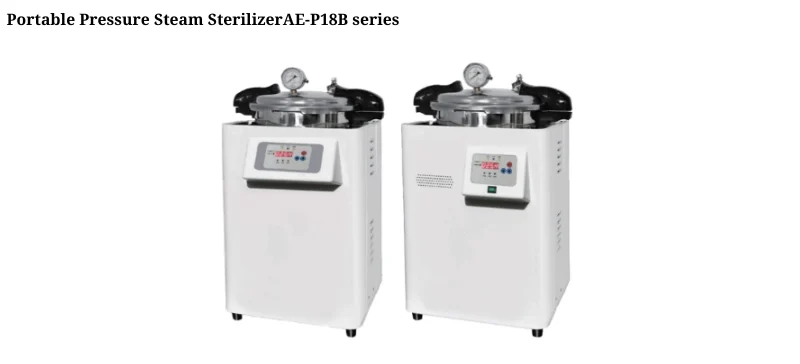
How Steam Autoclaves Work
Autoclaves play a key role in Surgical Instrument Sterilization, operating through a precise three-phase cycle:
Conditioning (Air Removal) – Steam replaces air via gravity displacement or vacuum, ensuring penetration.
Exposure (Sterilization) – Instruments are subjected to saturated steam at 121–134°C under pressure.
Exhaust (Cooling & Drying) – Pressure is released, steam exits, and instruments are dried to prevent corrosion.
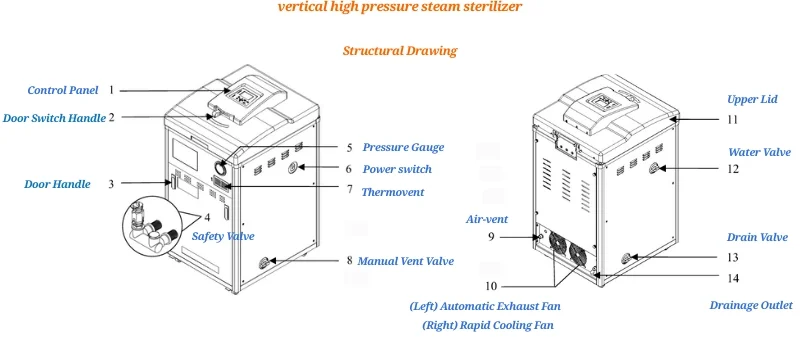
Proper Autoclave Settings for Surgical Instrument Sterilization
To achieve reliable Surgical Instrument Sterilization, the correct parameters must be followed:
Steam Quality: Dry saturated steam (≥97% dryness fraction).
Temperature & Time:
121°C (250°F) for 30 minutes – Gravity displacement autoclave
132°C (270°F) for 4 minutes – Pre-vacuum autoclave
Pressure: Ensures proper steam penetration and temperature.
Load Arrangement: Avoid overcrowding; place heavy items at the bottom, lighter ones at the top.
Indicators: Always use chemical and biological indicators for validation.
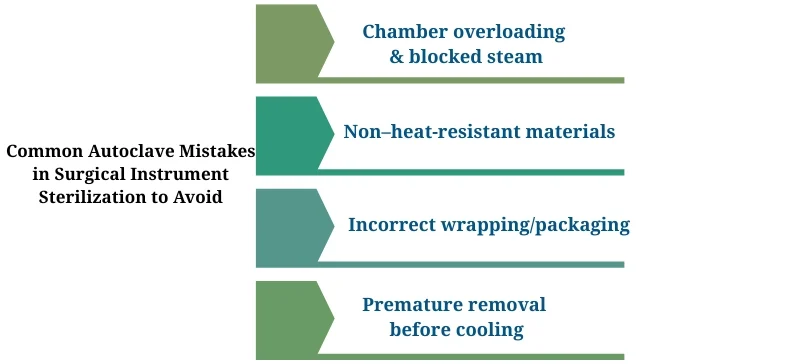
Common Autoclave Mistakes in Surgical Instrument Sterilization to Avoid
- Overloading the chamber, blocking steam circulation
- Using materials not designed for high heat (e.g., rubber, cloth)
- Incorrect wrapping or packaging
- Removing instruments before cooling, risking incomplete sterilization
Post-Sterilization Instrument Care
Maintaining sterilized instruments extends their lifespan:
Cool Gradually – Prevents warping.
Inspect Surfaces – Replace tools showing rust or corrosion.
Lubricate Hinges – Use medical-grade lubricants, never oil-based.
Store Properly – Keep in sterile, dry environments with dividers.
Advantages of Steam Autoclaves
Kills resistant bacteria, viruses, and spores effectively
Eco-friendly (no toxic chemicals)
Fast cycle times compared to gas sterilization
Cost-effective and widely available
Compatible with most surgical instruments

Best Practices for Precision Sterilization
Always use sterilization indicators and logs for compliance.
Train staff on loading techniques and safety.
Schedule regular maintenance and calibration.
Avoid chamber overcrowding for optimal steam circulation.
Document every sterilization cycle for traceability.
Conclusion
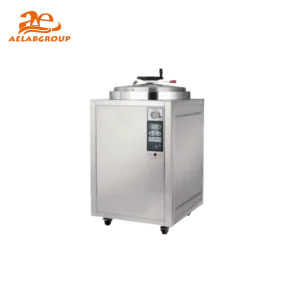
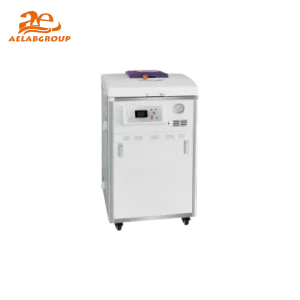
Surgical Instrument Sterilization is the foundation of safe surgery. While multiple methods exist, AELAB steam autoclaves remain the most reliable, efficient, and environmentally friendly solution.
By applying proper autoclave settings, avoiding common mistakes, and practicing post-sterilization care, healthcare professionals can safeguard patient health and extend the life of their surgical tools.
👉 Looking to enhance your sterilization standards? Explore advanced AELAB steam autoclaves today and bring precision sterilization to your surgical practice.