


Introduction: Understanding Turbidity
A Turbidity Meter is a key instrument used to evaluate turbidity, which is the measure of water clarity defined by the presence of suspended particles that scatter light in a liquid. These particles may include clay, silt, algae, bacteria, or other organic and inorganic matter.
High turbidity → Water looks cloudy or murky.
Low turbidity → Water appears clear and transparent.
Monitoring turbidity is essential for:
Drinking water safety
Industrial processes
Food & beverage production
Wastewater management
Environmental monitoring
To achieve precise and consistent measurements, industries and laboratories rely on turbidity meters.
What Is a Turbidity Meter?
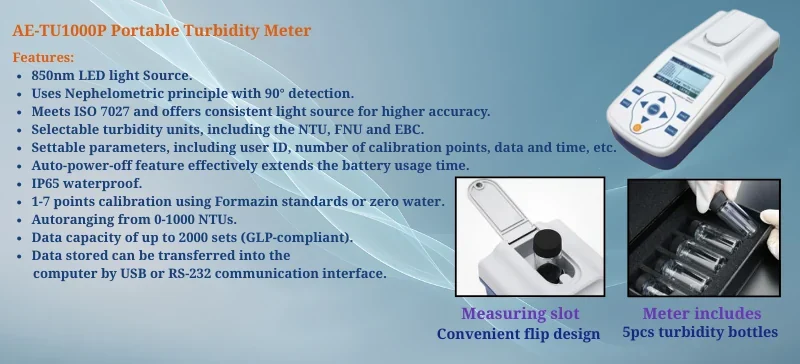
A turbidity meter (also called a turbidimeter or nephelometer) is an instrument that measures the cloudiness of liquids by shining light into a sample and detecting how much light is scattered or absorbed by suspended particles.
Measurement Units
NTU (Nephelometric Turbidity Unit): Standard in drinking water testing.
FTU (Formazin Turbidity Unit): Equivalent to NTU, common in ISO standards.
FNU (Formazin Nephelometric Unit): Used in modern optical sensors.
How Does a Turbidity Meter Work?
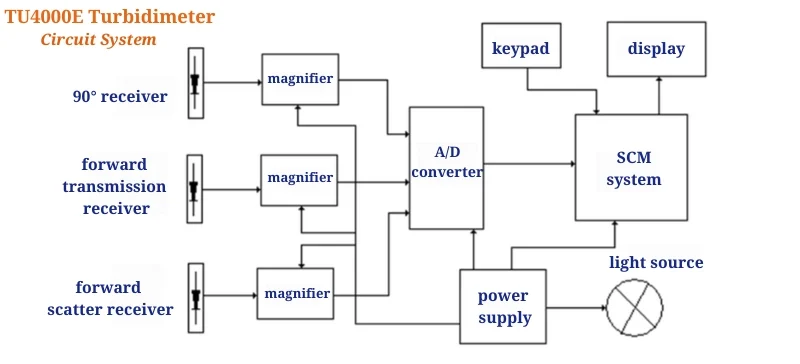
The principle is based on light interaction with particles in a liquid.
Measurement Methods
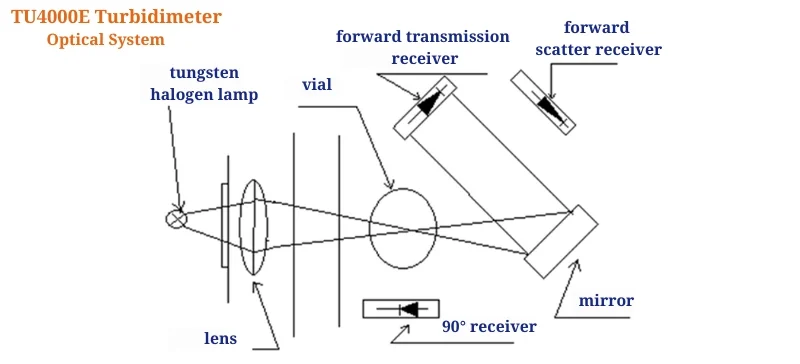
Nephelometric Method (Light Scattering):
Measures scattered light at a 90° angle.
✅ Best for drinking water & environmental monitoring.Turbidimetric Method (Light Attenuation):
Measures the reduction of light intensity passing through.
✅ Best for wastewater treatment & industrial processes.
Key Components
Light Source: LED or tungsten lamp.
Detector: Photodiode or photocell.
Sample Chamber: Holds the liquid sample.
Calibration Standards: Ensure accuracy.
Types of Turbidity Meters
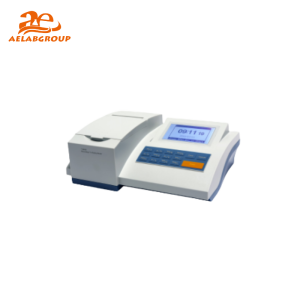
1. Benchtop Turbidity Meters
High precision, laboratory use.
Ideal for research and regulatory compliance.
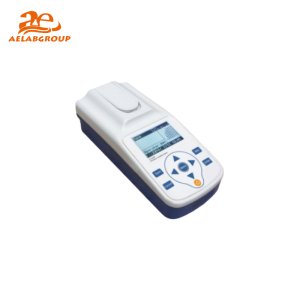
2. Portable Turbidity Meters
Compact, battery-powered, field-ready.
Suitable for rivers, lakes, and on-site industrial checks.
3. Online (Inline) Turbidity Meters
Installed directly into pipelines.
Provide real-time monitoring with instant turbidity alerts.
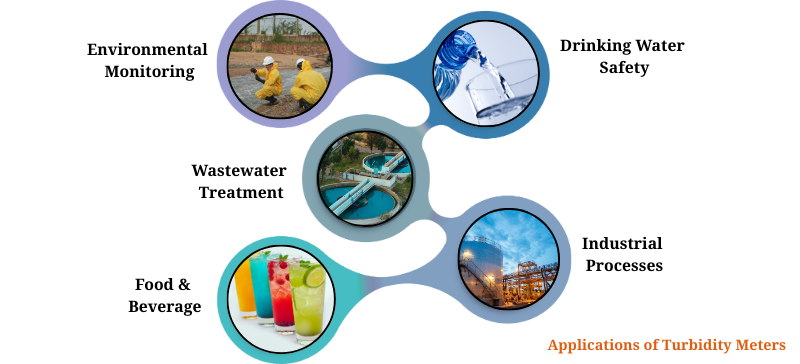
Applications of Turbidity Meters
Turbidity meters are versatile across industries:
Environmental Monitoring: Tracking sediment, erosion, and pollution.
Drinking Water Safety: Ensuring disinfection is effective.
Wastewater Treatment: Confirming compliance before discharge.
Food & Beverage: Beer clarity, juice filtration, yeast harvesting.
Industrial Processes: Leak detection, CIP system monitoring, raw material inspections.
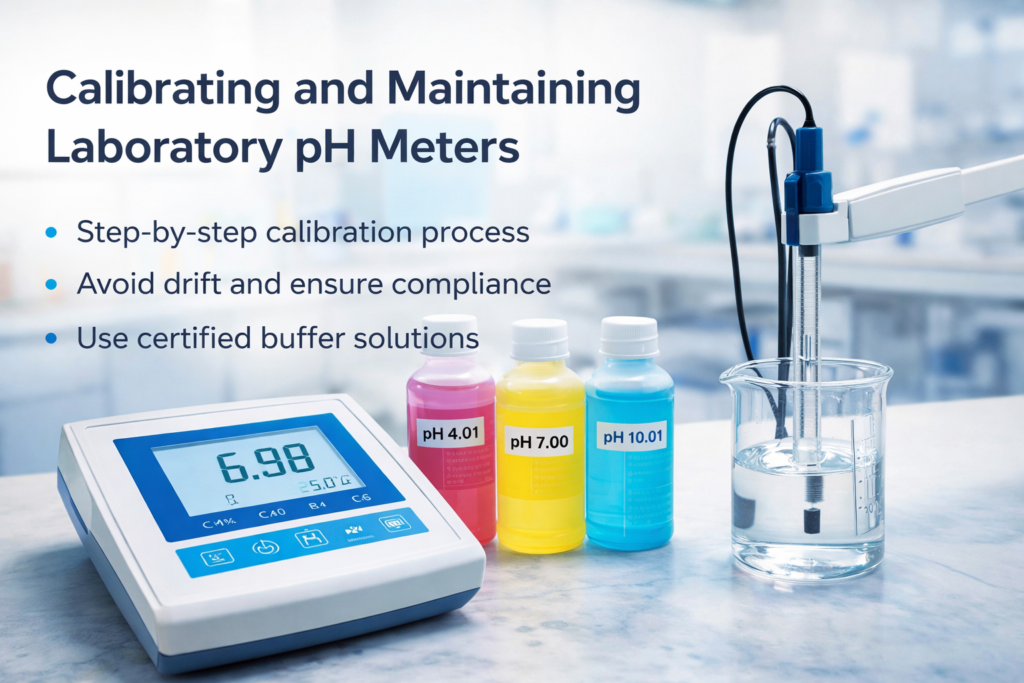
Calibration and Maintenance
To keep turbidity meters accurate and reliable:
Calibration: Use Formazin standard solutions.
Cleaning: Regularly clean sensors and cuvettes.
Verification: Periodically test performance for compliance.
Advantages of Using Turbidity Meters
- Fast & Accurate: Results in seconds.
- User-Friendly: Simple interfaces.
- Versatile: Lab, field, and industrial use.
- Cost-Effective: Prevents costly water quality issues.
- Sustainability Benefits: Helps optimize treatment and reduce waste.
Challenges and Considerations
Color Interference: Dark-colored samples may distort readings.
Air Bubbles: Can mimic particles.
Sample Handling: Settling or disturbance can skew results.
Maintenance Needs: Requires cleaning & calibration.
Range Limits: Extremely high or low turbidity needs specialized sensors.
Turbidity Meter vs. Other Water Testing Methods
| Feature | Turbidity Meter | Spectrophotometer | Microscope Analysis |
|---|---|---|---|
| Speed | Real-time | Moderate | Slow |
| Ease of Use | Simple | Requires training | Complex |
| Accuracy | High (clarity) | High (compounds) | Very high (details) |
| Best For | General clarity | Chemical composition | Microorganisms |
Professional Tips for Using a Turbidity Meter
Always calibrate regularly with standards.
Avoid bubbles when preparing samples.
Keep cuvettes spotless for accurate readings.
Take multiple measurements for consistency.
Store meters in dry, clean conditions.
Conclusion
A turbidity meter is a cornerstone of modern water quality testing. By using light scattering or attenuation, it provides fast, reliable, and actionable data. From ensuring safe drinking water to optimizing industrial processes, turbidity meters play a vital role in health, environmental protection, and efficiency.
👉 Looking for a trusted solution? AELAB turbidity meters offer accuracy, durability, and compliance with international standards—perfect for laboratory, field, and industrial applications.