Introduction
Ultrasonic cleaners are widely used in industries like jewelry, automotive, healthcare, and electronics for their ability to deliver deep and efficient cleaning. These devices use high-frequency sound waves to generate microscopic bubbles that remove dirt, grease, and other contaminants from delicate surfaces. But the effectiveness of this process depends heavily on the solution used. Choosing the Best Liquids for Ultrasonic Cleaner ensures not only thorough cleaning but also protects your items and extends the lifespan of your machine.
In this guide, we’ll explore the most effective cleaning liquids, their applications, and practical tips to maximize results.
Why the Right Liquid Matters in Ultrasonic Cleaning
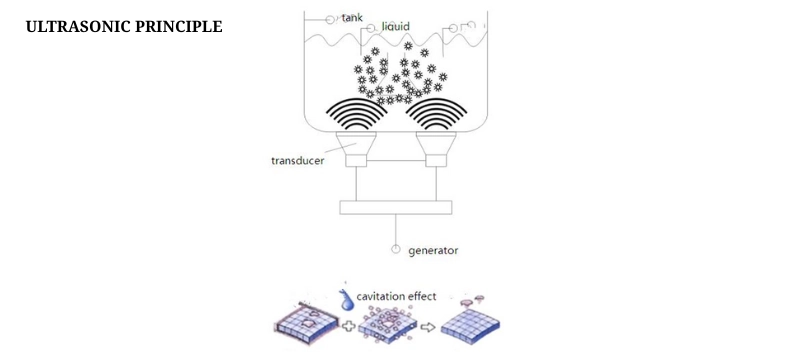
The cleaning solution is the heart of ultrasonic cleaning. While cavitation does the mechanical work, the liquid determines how efficiently contaminants are broken down and removed. Using the Best Liquids for Ultrasonic Cleaner guarantees safe cleaning, minimizes residue, and adapts to the specific material or contaminant you are dealing with.
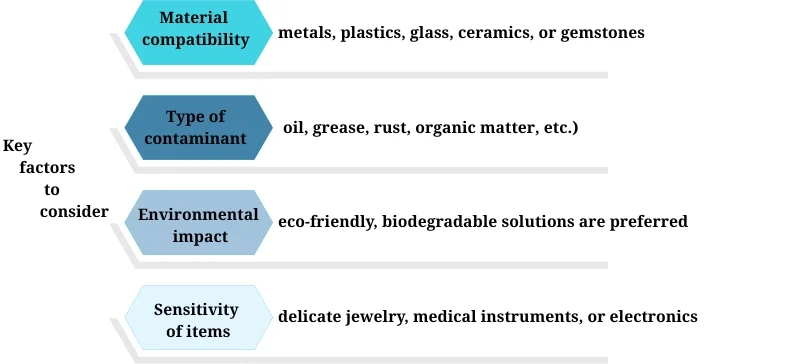
Key factors to consider include:
Material compatibility (metals, plastics, glass, ceramics, or gemstones)
Type of contaminant (oil, grease, rust, organic matter, etc.)
Environmental impact (eco-friendly, biodegradable solutions are preferred)
Sensitivity of items (delicate jewelry, medical instruments, or electronics)
Types of Best Liquids for Ultrasonic Cleaner
1. Alkaline Solutions
pH Range: 10–13
Best for: Metals, glass, ceramics, plastics, and automotive parts
Benefits: Excellent at removing grease, oil, soot, and carbon buildup
These are among the Best Liquids for Ultrasonic Cleaner in heavy-duty applications such as carburetors, intake manifolds, and machine parts.
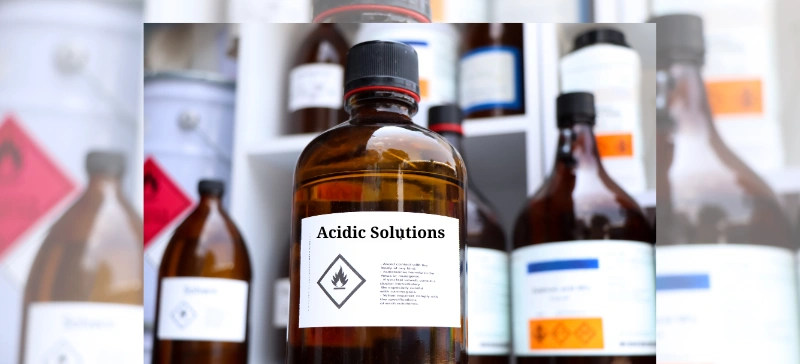
2. Acidic Solutions
pH Range: Below 7
Best for: Removing rust, mineral deposits, lime scale, and oxides
Caution: May harm soft metals unless inhibitors are added
Acidic cleaners are powerful but should be handled carefully. They can be one of the Best Liquids for Ultrasonic Cleaner when dealing with rusted or heavily oxidized metals.
3. Enzymatic Solutions
Best for: Organic contaminants (blood, proteins, food residues)
Common Use: Medical, dental, and food-processing equipment
Enzymatic formulas stand out as some of the Best Liquids for Ultrasonic Cleaner in healthcare and laboratory environments where safe removal of organic matter is essential.
4. Neutral Solutions
pH Range: 7–9
Best for: Jewelry, optics, ceramics, and delicate metals
Advantage: Gentle cleaning without damaging fragile items
Neutral solutions are considered the Best Liquids for Ultrasonic Cleaner when working with sensitive or high-value objects.
5. Deionized Water
Best for: Extremely delicate items or cases where no chemicals are needed
Note: May not remove heavy grease or rust, so drying is crucial
Though simple, deionized water remains one of the Best Liquids for Ultrasonic Cleaner when safety is a top priority.
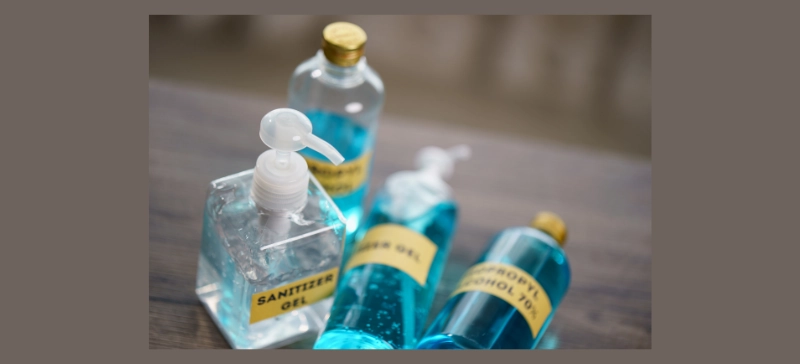
6. Volatile Solvents (Special Applications)
Examples: Isopropyl alcohol, acetone, toluene
Best for: Electronics, surgical tools, and precision components
Important: Use only in explosion-proof ultrasonic cleaners
For highly specialized applications, volatile solvents qualify as the Best Liquids for Ultrasonic Cleaner, but they must be handled with strict safety measures.
Choosing the Best Liquids for Ultrasonic Cleaner by Application
Jewelry: Use distilled water with mild soap or specialized jewelry cleaners. Avoid pearls and opals.
Automotive Parts: Strong alkaline solutions work best for removing oil and carbon.
Rusted Metals: Acidic or rust-removing blends dissolve corrosion effectively.
Medical Instruments: Enzymatic solutions ensure safe and thorough cleaning.
Vinyl Records & Optics: A mix of distilled water and isopropyl alcohol provides residue-free cleaning.
Firearms: Alkaline degreasers combined with lubricants restore performance while protecting finishes.
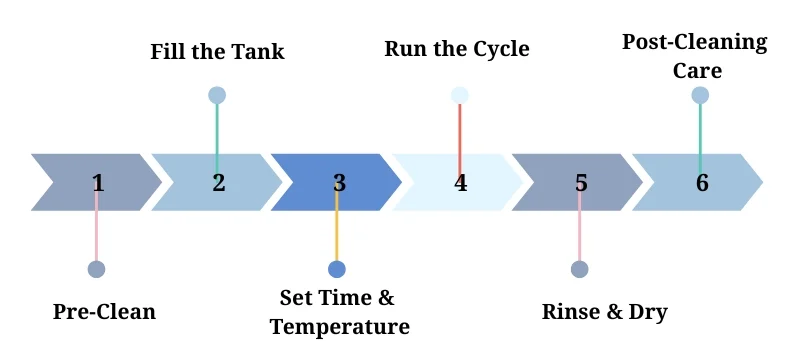
Step-by-Step Guide to Using the Best Liquids for Ultrasonic Cleaner
Pre-Clean: Remove surface dirt before placing items in the tank.
Fill the Tank: Add your chosen solution, following the dilution ratio.
Set Time & Temperature:
Jewelry: 3–10 minutes
Watches/complex items: 10–15 minutes
Greasy or rusty parts: 15–30 minutes
Ideal temperature: 50–60°C (122–140°F)
Run the Cycle: Place items in the basket (not directly in the tank).
Rinse & Dry: Rinse with fresh water and dry with a lint-free cloth.
Post-Cleaning Care: Polish jewelry or apply rust inhibitors if needed.
Maintenance Tips for Ultrasonic Cleaners
Replace the solution regularly, especially after cleaning heavily soiled items.
Wipe the tank after each use to prevent residue buildup.
Inspect parts like heaters, baskets, and seals for wear.
Use proper ventilation and avoid flammable liquids in standard machines.
Maintaining your device and consistently using the Best Liquids for Ultrasonic Cleaner ensures long-lasting performance.
Safety Precautions
Wear gloves and protective eyewear when handling strong chemicals.
Avoid caustic or acidic solutions on sensitive items unless recommended.
Only use flammable solvents in explosion-proof ultrasonic cleaners.
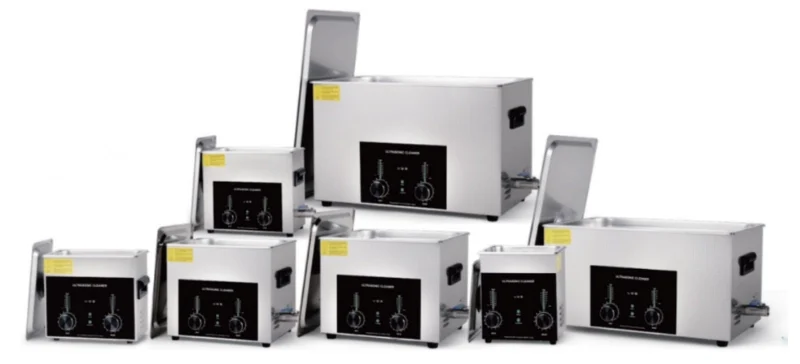
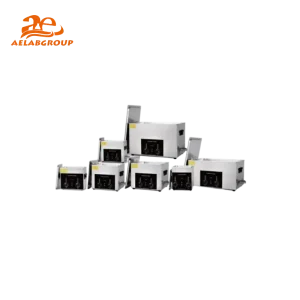
Smart Mechanical Ultrasonic Cleaner AE-20 Series
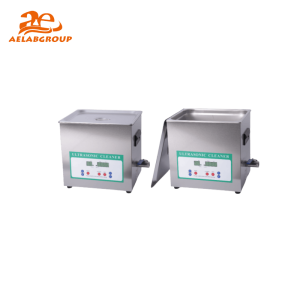
Digital Ultrasonic Cleaners – Precision Lab Series | AELAB
Conclusion
The choice of cleaning solution is the most important factor in ultrasonic cleaning success. Whether you’re restoring delicate jewelry, cleaning engine parts, or sanitizing medical equipment, selecting the Best Liquids for Ultrasonic Cleaner guarantees professional results.
By understanding the types of solutions, following correct cleaning procedures, and maintaining your device properly, you can unlock the full potential of ultrasonic cleaning and protect both your machine and your valuable items.