Introduction
pH meter troubleshooting and maintenance are essential practices for anyone working in laboratories, industries, agriculture, or environmental monitoring. Since pH meters play a vital role in measuring the acidity and alkalinity of solutions, even small errors can lead to costly mistakes, compliance issues, or inaccurate research data. By understanding common problems, effective troubleshooting techniques, and best maintenance practices, you can ensure reliable results and extend the lifespan of your equipment. Implementing proper pH meter troubleshooting and maintenance strategies is crucial for long-term accuracy and operational efficiency.
Why pH Accuracy Matters
A pH meter measures hydrogen ion concentration through electrodes and converts the signal into a pH value between 0 and 14. Accurate readings are essential, as they directly impact quality control, safety, and process efficiency across multiple industries.
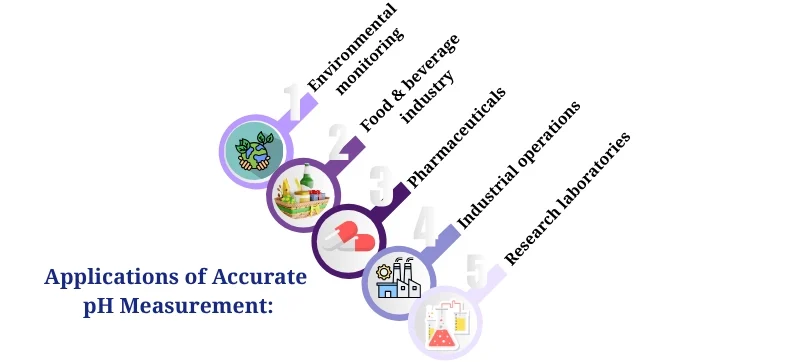
Applications of Accurate pH Measurement:
Environmental monitoring: Assessing water and soil quality
Food & beverage industry: Maintaining product safety and consistency
Pharmaceuticals: Ensuring drug stability and formulation accuracy
Industrial operations: Controlling wastewater, chemical processes, and corrosion
Research laboratories: Guaranteeing reproducible scientific data
Proper use and maintenance of a pH meter are crucial to prevent drifting, unstable, or failed readings, which can lead to major consequences.
Common pH Meter Errors and Their Causes
| Error Type | Description | Causes |
|---|
| Drifting Readings | pH values change without sample variation. | Contaminated electrode, depleted electrolyte, calibration errors |
| Slow Response | Device takes longer than normal to stabilize. | Dry electrode, damage, improper calibration, temperature issues |
| Erratic Values | Readings fluctuate randomly. | Loose connections, electrical interference, faulty electrode |
| Incorrect pH Output | Values outside expected range. | Expired buffers, poor calibration, dirty probe |
| No Reading | Screen frozen or blank. | Weak batteries, broken electrode, cable problems |
| Poor Sensitivity | Overreacts or fails to detect changes. | Aging electrode, temperature interference, electrolyte loss |
Proper pH meter troubleshooting and maintenance helps detect these issues early and resolve them efficiently.
Step-by-Step Troubleshooting Guide
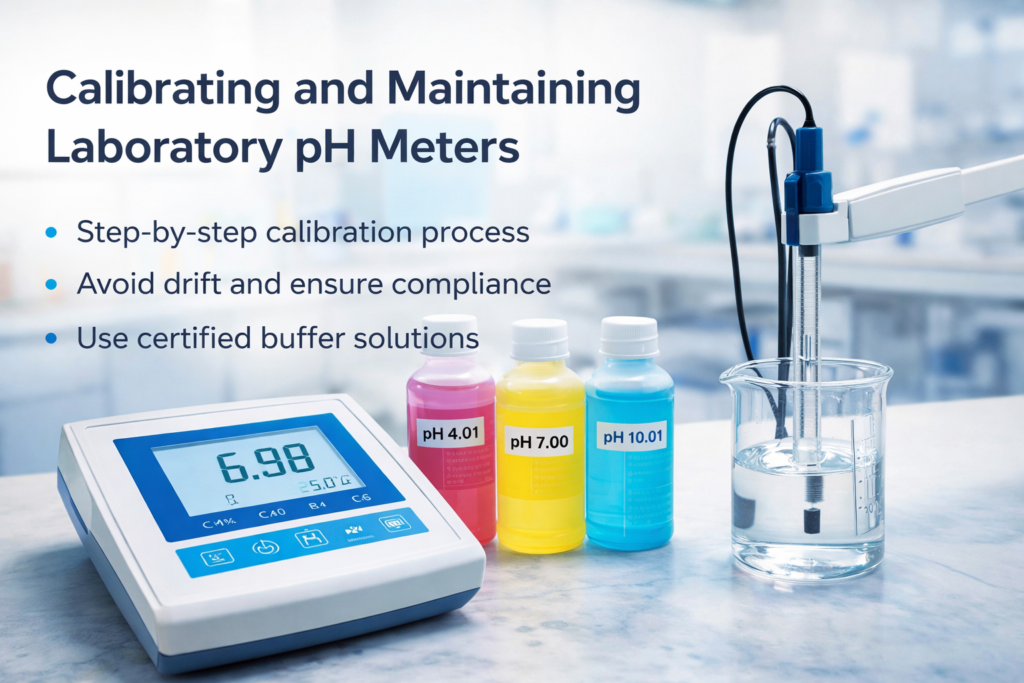
1. Calibration Practices
Use fresh buffer solutions (pH 4, 7, and 10).
Avoid expired or contaminated calibration buffers.
Perform calibration at the same temperature as your sample.
Start calibration with pH 7 to set the zero point.
Use ATC-enabled devices to enhance pH meter troubleshooting and maintenance.
2. Cleaning and Contamination Control
Rinse electrodes with distilled water between measurements.
Use specialized cleaning solutions for fats, proteins, or mineral deposits.
Never rinse with tap water to avoid impurities.
Regular cleaning is a key step in effective pH meter troubleshooting and maintenance.
3. Electrode Storage
Store electrodes in storage solution or pH 4 buffer, not distilled water.
Rehydrate dried electrodes in storage solution for several hours.
4. Physical Damage Checks
Inspect electrodes for cracks, leaks, or clogs.
Replace unresponsive or worn electrodes promptly.
5. Managing Temperature
Allow samples to stabilize at room temperature before testing.
Use ATC-enabled meters or manually input sample temperature.
Avoid measuring very hot samples (>50°C) that may affect electrode lifespan.
6. Minimizing Electrical Interference
Place meters away from motors, stirrers, or other electrical devices.
Use shielded cables and proper grounding.
Update firmware/software as needed to support pH meter troubleshooting and maintenance.
7. Improving Sample Handling
These steps form the core of effective pH meter troubleshooting and maintenance for labs and industrial setups.
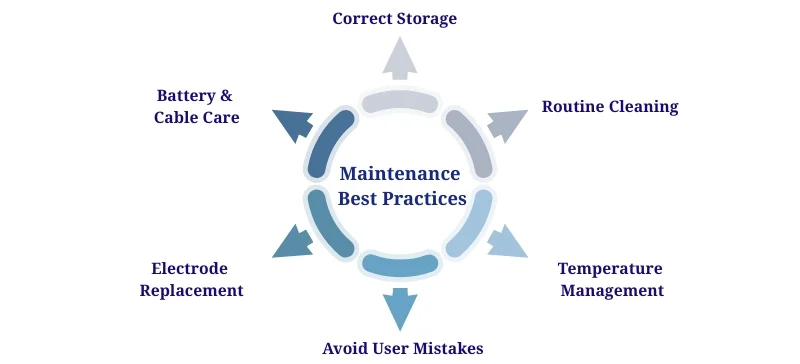
Maintenance Best Practices
Correct Storage: Always keep electrodes hydrated in storage solution.
Routine Cleaning: Rinse after every use and soak periodically in cleaning solutions.
Temperature Management: Measure at or near calibration temperature.
Avoid User Mistakes: Never wipe electrodes dry; fully immerse during testing.
Electrode Replacement: Change electrodes every 12–18 months depending on usage.
Battery & Cable Care: Replace weak batteries and damaged connectors.
Following these practices ensures reliable pH meter troubleshooting and maintenance and consistent measurement accuracy.
Expert Tips for Long-Term Accuracy
Reactivate aging electrodes using specialized solutions.
Upgrade to smart pH meters with built-in diagnostics.
Maintain a logbook of calibration dates, cleaning routines, and electrode replacements.
Schedule professional calibration and servicing for industrial-grade meters.
Implementing these strategies is part of comprehensive pH meter troubleshooting and maintenance.
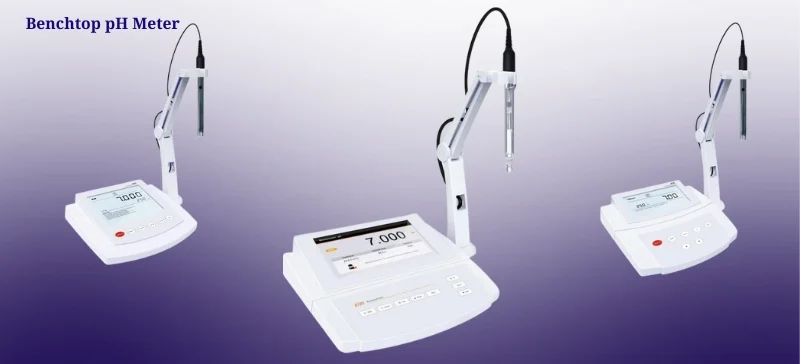
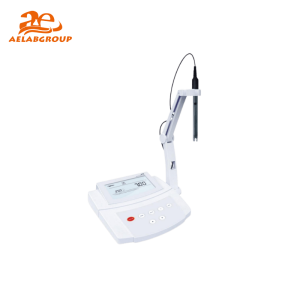
AELAB Benchtop pH Meter 210 – Precision pH Measurement Made Easy
Conclusion
Accurate pH measurement is critical for laboratories, industries, and research facilities. Effective pH meter troubleshooting and maintenance ensures reliable results, compliance with standards, and extended equipment lifespan. By combining proper calibration, careful electrode care, and routine servicing, you can prevent costly errors and maintain consistent, precise results.
👉Master pH meter troubleshooting and maintenance with AELAB’s professional-grade meters and electrodes for accurate lab and industrial results.