

Introduction
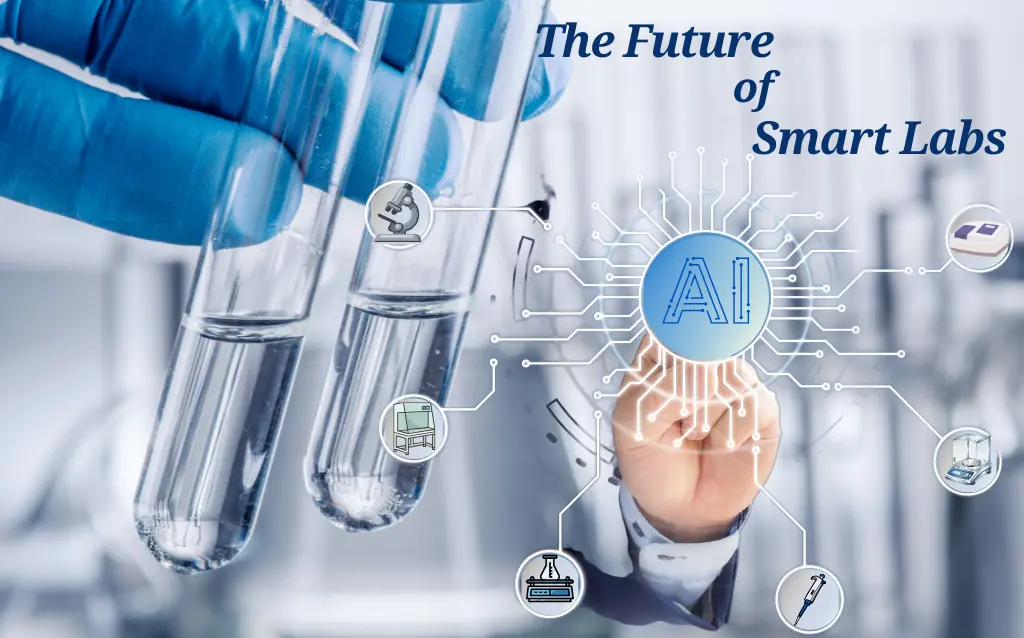
The Future of Smart Labs is rapidly reshaping the scientific world. Modern laboratories are no longer limited to manual operations and traditional workflows. Instead, they are transforming into AI-driven, data-centric environments powered by automation, IoT, and advanced analytics.
This evolution enables laboratories to operate with higher efficiency, accuracy, and innovation. As smart lab technology continues to evolve, scientists can process data faster, reduce human error, and make more informed decisions — marking a new era in research and diagnostics.
The Evolution of Smart Labs
Understanding the future of smart labs requires looking back at how laboratory technology has evolved. In the past, experiments relied heavily on manual tools and human precision. The introduction of automation in the late 20th century brought a new level of consistency, with robotic systems taking over repetitive tasks.
Today, smart laboratory systems integrate IoT sensors, AI algorithms, and cloud connectivity to create interconnected and adaptive ecosystems. These technologies empower labs to monitor experiments remotely, analyze data in real time, and collaborate seamlessly across global networks.
The journey toward the future of smart labs is driven by industries like pharmaceuticals, biotechnology, and diagnostics, where speed, accuracy, and scalability are critical for innovation.

Automation: The Core of Smart Laboratories
Automation forms the foundation of smart labs of the future. By integrating robotics and cloud-based systems, laboratories can execute complex experiments with minimal human intervention. Examples include:
Robotic pipetting and liquid handling systems
Automated incubators and analyzers
Mobile robots for hazardous material management
Such systems reduce variability, improve safety, and enable high-throughput experimentation. Modular automation platforms further enhance the flexibility of smart labs, allowing organizations to customize workflows and lower operational costs.
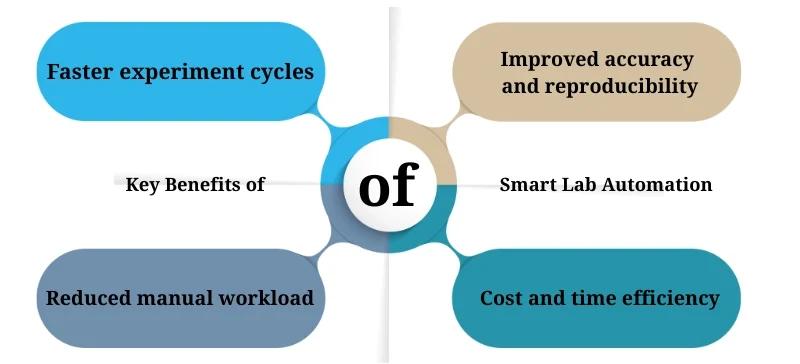
Key Benefits of Smart Lab Automation:
Faster experiment cycles
Improved accuracy and reproducibility
Reduced manual workload
Cost and time efficiency
Advanced Data Analysis: The Brain of Smart Labs
Automation alone cannot define the future of smart labs without intelligent data analytics. Advanced AI and machine learning models analyze vast datasets to uncover trends, predict outcomes, and optimize research parameters.
Key applications of AI in smart laboratories include:
Predictive modeling and experimental optimization
Real-time data analysis across multiple devices
Accelerated drug discovery through generative AI
Automated decision-making based on data insights
Cloud-based analytics also support collaboration by connecting multiple smart labs worldwide. This interconnectivity enhances research quality and fosters innovation across global scientific communities.
AI and IoT Integration: Building Truly Smart Labs
At the heart of the future of smart labs lies the powerful combination of AI and IoT. IoT devices embedded in laboratory equipment continuously gather operational data, while AI analyzes this information to:
Predict equipment maintenance needs
Adjust environmental conditions automatically
Optimize lab performance in real time
This synergy enables self-monitoring laboratories that operate more efficiently, sustainably, and securely. However, challenges such as data privacy, cybersecurity, and interoperability must be addressed to ensure the reliable growth of smart lab ecosystems.
Benefits and Challenges in The Future of Smart Labs
Major Benefits
Increased productivity and throughput
Enhanced accuracy and reliability
Cost reduction through automation
Improved staff safety and reduced fatigue
Ongoing Challenges
High implementation costs
Skilled personnel requirements
Data management and privacy concerns
Need for system standardization
By addressing these challenges, organizations can fully embrace the future of smart labs, achieving greater research output and global collaboration.
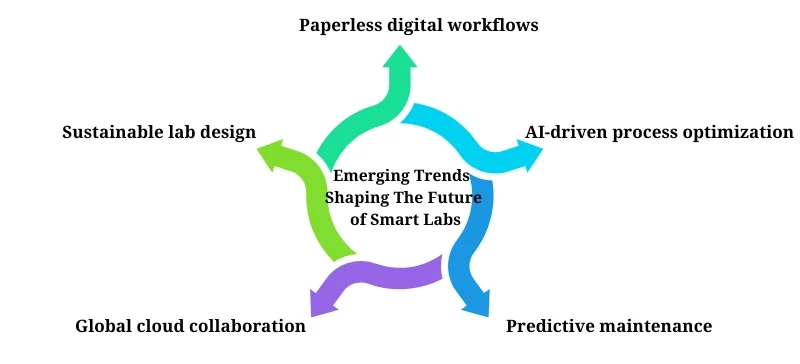
Emerging Trends Shaping The Future of Smart Labs
The next generation of smart laboratories will be intelligent, automated, and interconnected. Notable trends include:
Paperless workflows with integrated digital record management
AI-driven optimization that continuously improves lab processes
Predictive maintenance for uninterrupted operations
Global cloud collaboration between institutions and industries
Sustainable lab designs that minimize waste and energy consumption
As these technologies mature, the future of smart labs will be defined by autonomy, connectivity, and intelligent decision-making.
Smart Labs vs Traditional Labs
| Feature | Traditional Labs | Smart Labs |
|---|---|---|
| Data Collection | Manual | Automated & Real-Time |
| Monitoring | Human Supervision | AI + IoT Sensors |
| Speed | Slow | Accelerated |
| Accuracy | Variable | Consistent |
| Maintenance | Reactive | Predictive |
This comparison clearly shows that the future of smart labs is not just an upgrade — it’s a complete transformation in how science is conducted.
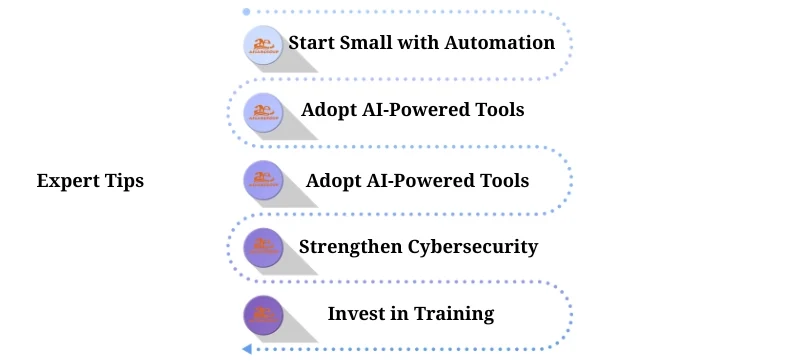
Expert Tips for Transitioning to Smart Labs
To prepare for the future of smart labs, consider these expert recommendations:
Start Small with Automation: Automate repetitive processes first.
Adopt AI-Powered Tools: Use analytics to uncover hidden insights.
Focus on Interoperability: Choose equipment that integrates easily.
Strengthen Cybersecurity: Protect sensitive research data.
Invest in Training: Build digital and technical skills within your team.
Conclusion
The Future of Smart Labs represents the convergence of automation, AI, and IoT — creating intelligent research ecosystems that revolutionize how science is done. These smart environments enable faster discoveries, precise results, and more sustainable operations.
Laboratories that invest in smart lab technologies today will lead innovation tomorrow.
Act Now: Begin your transformation toward the future of smart labs and empower your research with intelligent automation and AI-driven insights.