

Introduction
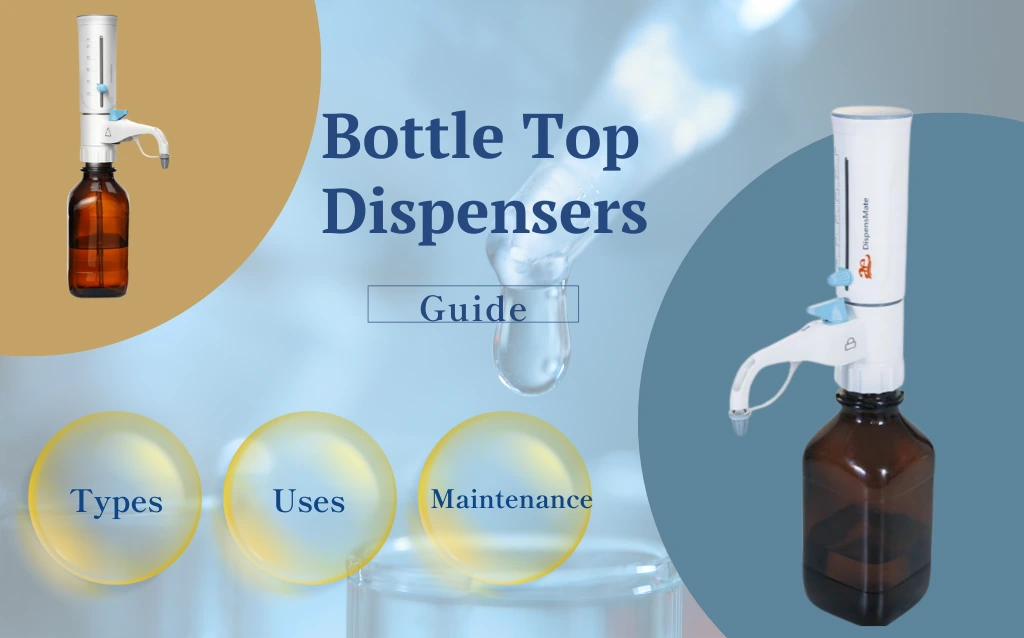
Bottle Top Dispensers are essential tools for accurate and safe liquid dispensing in modern laboratories. When working with chemicals, reagents, acids, bases, solvents, or oils, even minor volume errors can result in unreliable data, increased safety risks, and unnecessary reagent waste.
A bottle top dispenser is a specialized laboratory instrument designed to dispense precise and repeatable liquid volumes directly from a reagent bottle. By eliminating manual pouring and minimizing repeated bottle handling, it significantly improves accuracy, enhances laboratory safety, and increases overall workflow efficiency.
This comprehensive guide explains how bottle top dispensers work, their main types and components, common applications, proper maintenance practices, and key considerations for selecting the right model for your laboratory needs.
What Is a Bottle Top Dispenser?
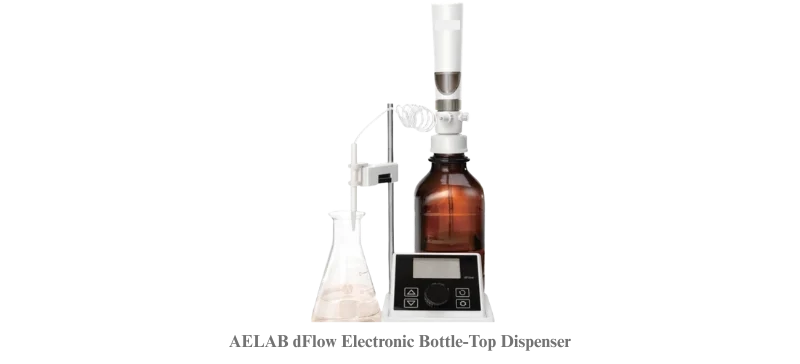
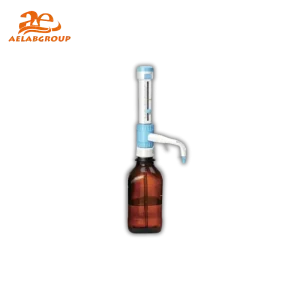
A Bottle Top Dispenser is a liquid dispensing device that mounts securely onto the neck of a reagent bottle. It allows users to dispense either a fixed or adjustable volume of liquid with each stroke, without opening or tilting the bottle.
Why Bottle Top Dispensers Matter
Reduced risk of spills and splashes
Minimized exposure to hazardous chemicals
Improved volume accuracy and repeatability
Faster dispensing for routine and high-frequency tasks
Lower contamination risk
Most dispensers operate within a 1 mL to 100 mL range, with some models starting as low as 0.25 mL, making them suitable for both routine and precision laboratory work.
How Do Bottle Top Dispensers Work?
Bottle top dispensers use a piston-driven displacement mechanism to control liquid aspiration and dispensing.
Working Principle (Featured Snippet Friendly)
Upward piston movement creates a vacuum inside the cylinder, drawing a predefined volume of liquid from the bottle.
Downward piston movement pushes the liquid through the outlet valve and nozzle into the receiving container.
The enclosed liquid path ensures cleaner, safer, and more consistent dispensing than manual methods.
In simple terms: A bottle top dispenser delivers accurate liquid volumes directly from a reagent bottle using controlled piston movement, reducing errors and exposure risks.
Main Components of Bottle Top Dispensers
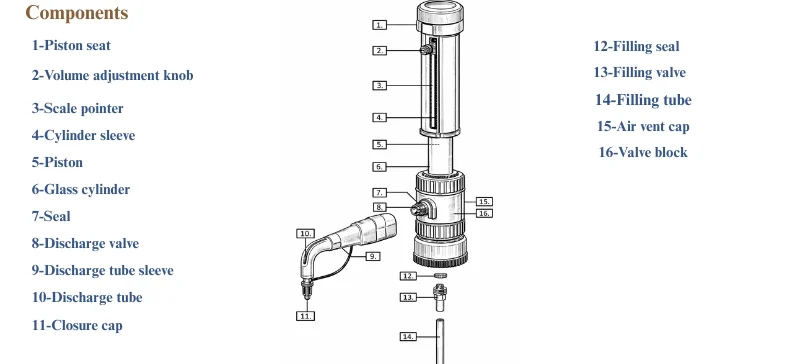
Understanding the core components helps with proper operation, maintenance, and informed purchasing decisions.
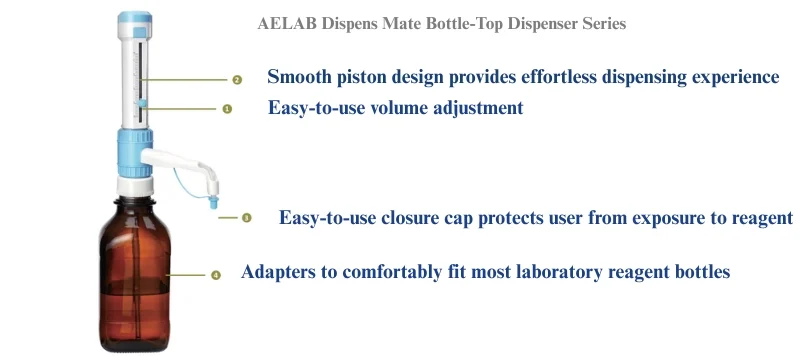
1. Piston
The piston generates the pressure and vacuum needed for liquid movement. It must be made from chemically resistant materials to withstand aggressive reagents.
2. Barrel (Cylinder)
The barrel temporarily holds the aspirated liquid. Many models use glass barrels for chemical resistance and visibility, sometimes protected by an outer polymer layer.
3. Volume Adjustment Knob
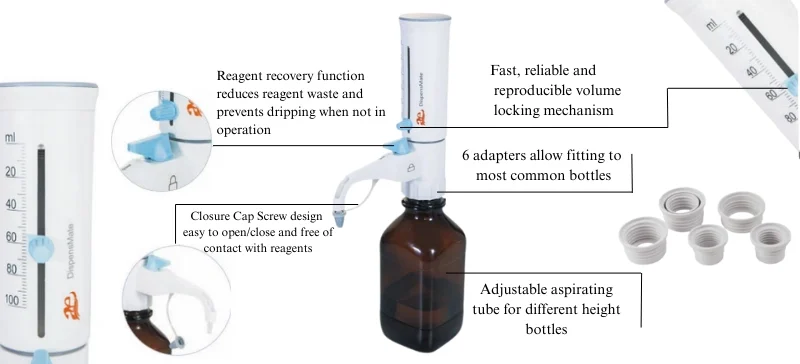
This knob sets the dispensing volume. High-quality dispensers include locking mechanisms to prevent accidental volume changes.
4. Dispensing Nozzle
Directs liquid into the receiving vessel. Flexible or adjustable nozzles improve precision and reduce splashing.
5. Nozzle Cap
Helps prevent dripping, contamination, and accidental contact with hazardous liquids.
6. Inlet Tube (Often Telescopic)
Draws liquid from the bottle. Adjustable length ensures compatibility with different bottle heights.
7. Bottle Adapters
Ensure a tight, leak-proof fit across various bottle neck sizes, which is critical for safe and accurate operation.
Types of Bottle Top Dispensers
1. Fixed Volume Bottle Top Dispensers
Dispense one predefined volume
Simple and fast operation
Ideal for repetitive tasks
2. Adjustable Volume Bottle Top Dispensers
Allow flexible volume selection
Suitable for multi-purpose laboratory workflows
Most commonly used type
3. Based on Piston Design
Floating piston mechanism: Reduced friction, improved durability
Wiping-seal piston mechanism: Strong sealing but may require more force and maintenance
4. Based on Chemical Compatibility
General-purpose models: Suitable for acids, bases, and solvents
Highly corrosive chemical models: Required for extremely aggressive reagents (specialized liquid paths)
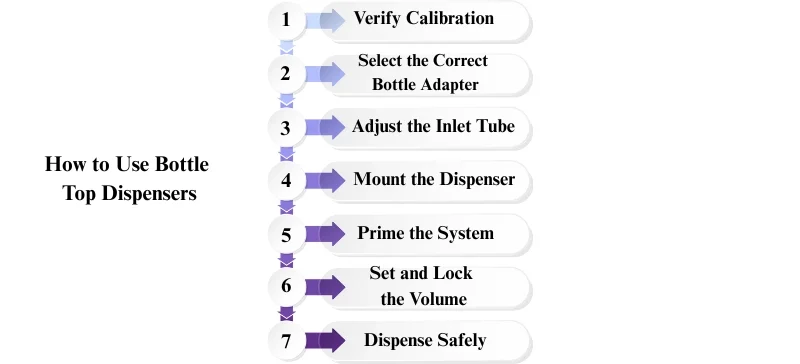
How to Use Bottle Top Dispensers (Step-by-Step Guide)
1: Verify Calibration
Check the calibration certificate to confirm accuracy and error limits.
2: Select the Correct Bottle Adapter
Ensure a secure, leak-free fit to avoid air intake and inconsistent volumes.
3: Adjust the Inlet Tube
Set the inlet tube length so it reaches near the bottom of the bottle without bending.
4: Mount the Dispenser
Securely screw the dispenser onto the bottle.
5: Prime the System
Aspirate and dispense several times to remove air bubbles and stabilize performance.
6: Set and Lock the Volume
Adjust to the desired volume and lock it if the model supports locking.
7: Dispense Safely
Dispense smoothly while wearing appropriate PPE, and minimize residual droplets by touching the nozzle to the container wall.
Cleaning, Maintenance, and Storage of Bottle Top Dispensers
When Cleaning Is Required
Changing reagents
Stiff piston movement
Long periods of non-use
Before autoclaving or servicing
When using crystallizing or viscous liquids
Routine Cleaning
Rinse with distilled or deionized water
Never force parts during disassembly
Follow manufacturer-recommended procedures
Intensive Cleaning
Fully disassemble if deposits persist
Clean gently to avoid damaging seals
Sterilization (Autoclaving)
Many dispensers are autoclavable (commonly ~121°C)
Disassemble as recommended
Recalibrate after autoclaving for best accuracy
Storage
Store in a clean, dry environment, away from chemical vapors and direct sunlight.
Calibration and Recalibration of Bottle Top Dispensers: When and Why
Recalibration is typically recommended every 6–12 months, and always after:
Autoclaving
Repairs or maintenance
Long periods of inactivity
Noticeable accuracy drift
Regular calibration ensures compliance, accuracy, and confidence in results.
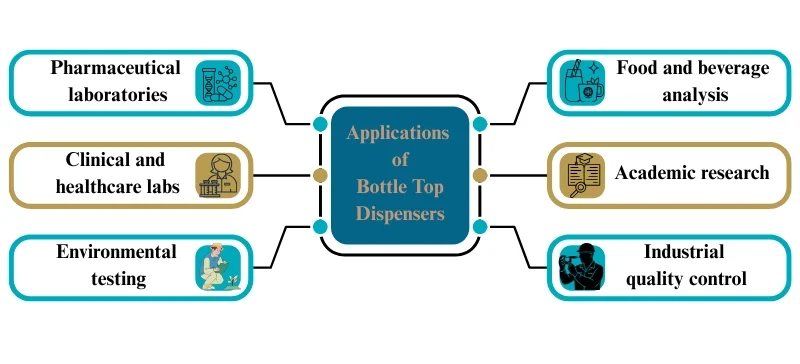
Applications of Bottle Top Dispensers
Bottle top dispensers are widely used in:
Pharmaceutical laboratories
Clinical and healthcare labs
Environmental testing
Food and beverage analysis
Academic research
Industrial quality control
Key Benefits of Bottle Top Dispensers
Enhanced laboratory safety
High accuracy and repeatability
Faster workflows and productivity gains
Reduced reagent waste
Improved ergonomics and user comfort
How to Choose the Right Bottle Top Dispensers
Selection Checklist
Chemical Compatibility – Match materials to reagents
Liquid Viscosity – Ensure suitability for thick liquids
Volume Range – Smaller range = higher precision
Ease of Cleaning – Simple disassembly saves time
Safety Features – Leak resistance, stable adapters, smooth operation
Common Mistakes to Avoid When Using Bottle Top Dispensers
Skipping priming before use
Using incompatible materials
Dispensing too quickly
Ignoring cleaning schedules
Selecting an overly wide volume range
Conclusion & Call to Action
A Bottle Top Dispenser is an indispensable tool for accurate, safe, and efficient liquid handling in modern laboratories. When properly selected, maintained, and used, it minimizes risk, improves repeatability, and significantly enhances productivity.
👉 Looking to improve precision and safety in your lab workflows?
Evaluate your application needs, choose the right dispenser type, and follow best practices to get the most reliable performance.