Introduction
Choosing the right laboratory equipment is no longer just a purchasing decision—it is a strategic investment that directly impacts research accuracy, operational efficiency, safety, and long-term costs. When laboratories need to choose the right rotary evaporator, this decision becomes even more critical, as the rotary evaporator (rotovap) plays a central role in solvent removal, concentration, purification, and solvent recovery in analytical and preparative laboratory workflows.
With a wide variety of models, capacities, safety levels, and automation options available, selecting the right rotary evaporator can be challenging. Variables such as sample volume, solvent properties, throughput requirements, safety regulations, and future scalability must all be carefully evaluated.
This in-depth guide is designed to help researchers, lab managers, and procurement specialists confidently choose the best rotary evaporator for their laboratory—based on practical experience, technical insight, and globally accepted laboratory standards.
What Is a Rotary Evaporator?
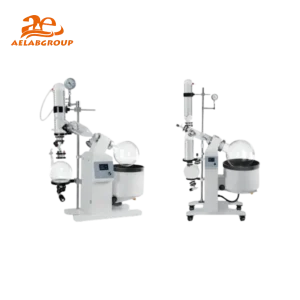
A rotary evaporator is a laboratory device used to efficiently remove solvents from liquid samples under reduced pressure. By combining:
the boiling point of solvents is significantly lowered, allowing evaporation at relatively low temperatures.
Why Rotary Evaporation Is Essential
Rotary evaporators are particularly valuable when working with:
For this reason, they are widely used across chemistry, pharmaceuticals, biotechnology, food science, environmental analysis, and industrial laboratories.
Why Rotary Evaporation Is Essential
Rotary evaporators are particularly valuable when working with:
For this reason, they are widely used across chemistry, pharmaceuticals, biotechnology, food science, environmental analysis, and industrial laboratories.
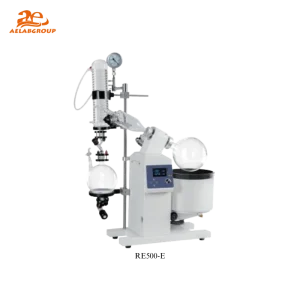
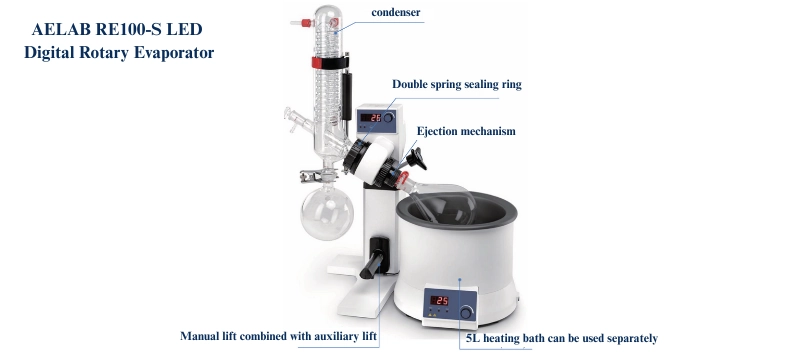
Key Components of a Rotary Evaporator
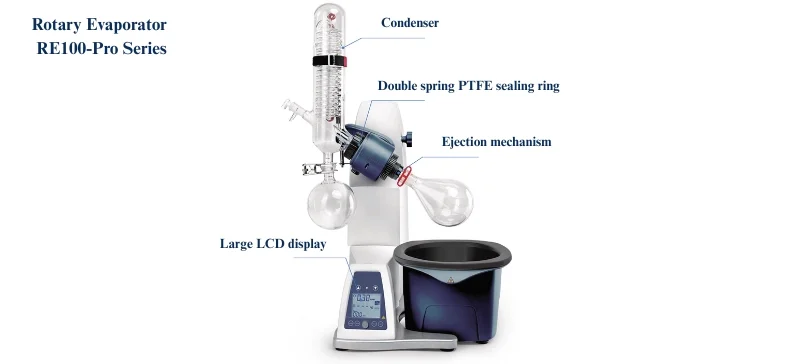
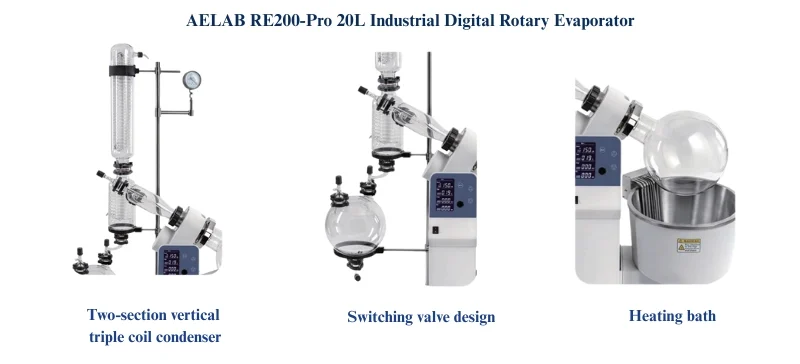
Each component contributes to a safe, efficient, and reproducible evaporation process.
| Component | Function |
|---|
| Evaporating Flask | Holds the sample; rotation increases surface area |
| Condenser | Cools and condenses solvent vapors |
| Heating Bath | Provides uniform heat (water or oil) |
| Vacuum System | Reduces pressure and boiling point |
| Vacuum Controller | Maintains stable pressure and prevents foaming |
| Motorized Lift | Ensures safe flask positioning |
| Rotation Drive | Enables uniform heating and faster evaporation |
| Receiving Flask | Collects condensed solvent |
| Temperature Controller | Ensures precise thermal stability |
| Seals & Flanges | Maintain vacuum integrity |
| Control Panel | Central interface for all parameters |
Key Factors to Consider When You Choose the Right Rotary Evaporator
1. Sample Volume and Throughput
Selecting the correct capacity ensures optimal performance and avoids unnecessary costs.
| Sample Volume | Throughput | Recommended System |
|---|
| 1–5 L | Low | Benchtop rotovap |
| 5–20 L | Medium | Mid-scale system |
| 20+ L | High | Industrial rotary evaporator |
| Multiple batches/day | Continuous | Dual-flask or recovery system |
2. Heating Method and Temperature Control
Accurate temperature control is essential to:
Prevent thermal degradation
Ensure reproducible results
Maximize evaporation efficiency
3. Vacuum System and Pressure Stability
Vacuum quality directly affects evaporation speed and sample protection.
Common vacuum options include:
Diaphragm vacuum pumps (low maintenance)
Oil-sealed rotary pumps (high performance)
Integrated digital vacuum controllers (pressure stability)
For sensitive samples, precise and stable vacuum regulation is critical.
4. Flask Size and Configuration
Typical flask sizes range from 1 L to 50 L or more.
Proper sizing helps:
Minimize foaming and splashing
Improve evaporation efficiency
Enhance laboratory safety
5. Rotation Speed Control
Rotation speed influences solvent film thickness:
High-quality rotary evaporators offer fine RPM adjustment for different solvents and viscosities.
6. Safety Features
Laboratory safety should never be compromised. Essential features include:
Over-temperature protection
Automatic shutdown during power failure
Secure flask locking systems
Explosion-proof construction for volatile solvents
Intuitive digital interfaces
7. Ease of Use and Maintenance
User-friendly design improves productivity and reduces downtime. Look for:
Rotary Evaporator vs Alternative Evaporation Methods
| Method | Efficiency | Temperature Control | Sample Protection |
|---|
| Rotary Evaporator | ★★★★★ | Excellent | High |
| Open Evaporation | ★ | Poor | Low |
| Nitrogen Blowdown | ★★★ | Moderate | Medium |
| Centrifugal Evaporator | ★★★★ | Good | High |
Conclusion: Rotary evaporators remain the most versatile and reliable evaporation solution for laboratory workflows.
Expert Tips to Choose the Right Rotary Evaporator
Focus on long-term reliability, not just initial cost
Choose modular systems for future upgrades
Verify technical support and spare-part availability
Consider ergonomics for daily laboratory use
Plan for increased throughput as your lab grows
Final Thoughts: How to Choose the Right Rotary Evaporator
Choosing the right rotary evaporator is a long-term investment in laboratory performance, safety, and research quality. By carefully evaluating capacity, heating method, vacuum control, safety features, and usability, laboratories can achieve faster, safer, and more reproducible results.
🔬 Looking to optimize your evaporation process?
Choose a professional rotary evaporator designed to support both your current research needs and future laboratory growth.
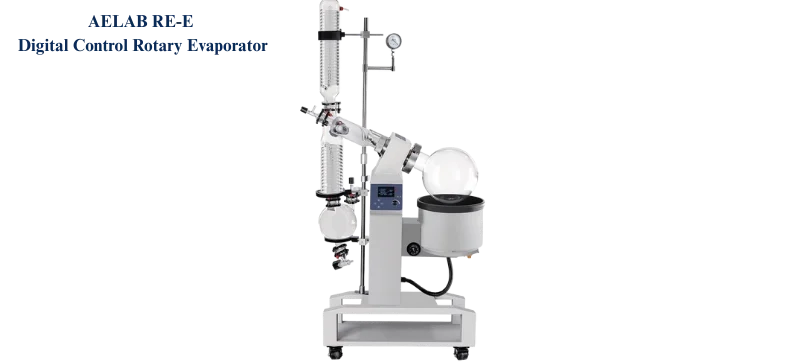
AELAB RE-E Series Pilot Scale Digital Control Rotary Evaporator – RE500-E / RE1000-E / RE2000-E / RE5000-E