Introduction
Bomb calorimeters are precision laboratory instruments used to measure the calorific value (heat of combustion) of fuels, coal, biomass, food, and other combustible materials. Although highly accurate, laboratories often face bomb calorimeter problems related to combustion efficiency, calibration errors, operational mistakes, and safety risks from high-pressure oxygen systems.
This guide explains the most common issues, key safety precautions for calorimeter bombs, proper sample preparation practices, and expert troubleshooting solutions. It also shows how modern automatic systems like AELAB bomb calorimeters help improve accuracy, safety, and overall laboratory performance.
This article provides reliable insights for laboratory professionals, researchers, and quality control specialists.
What Is a Bomb Calorimeter?
A bomb calorimeter device measures the heat released during complete combustion of a sample under constant volume conditions.
The combustion process occurs inside a high-pressure decomposition vessel (calorimeter bomb) filled with oxygen (typically 25–30 atm). The heat generated raises the temperature of surrounding water, and this temperature rise is used to calculate the gross calorific value (GCV).
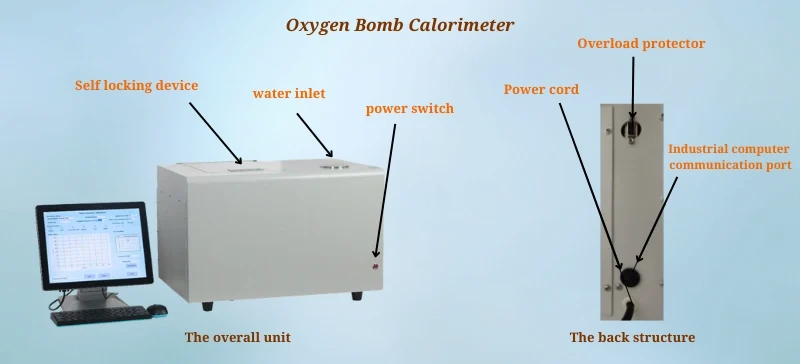
Main Components:
Decomposition vessel (calorimeter bomb)
Oxygen filling system
Ignition wire and electrodes
Crucible (metal, quartz, or platinum)
Water jacket (adiabatic or isoperibol)
High-precision temperature sensor
Stirring system
Software-based data processing unit
Because the system operates under high pressure and involves combustion, strict operational and safety precautions are essential.
What Are the Most Common Bomb Calorimeter Problems?
The most common bomb calorimeter problems include:
Incomplete combustion
Oxygen leakage
Ignition failure
Temperature instability
Calibration drift
Improper sample preparation
Safety risks from damaged vessels
Most issues can be prevented through proper maintenance, correct vessel selection, routine pressure testing, and use of automatic systems .
1.Technical & Operational Bomb Calorimeter Problems
Incomplete Combustion
Causes:
Wet or improperly prepared samples
Insufficient oxygen pressure
Damaged ignition wire
Sample ejection from crucible
Solutions:
Dry samples properly (unless slight moisture improves combustion stability)
Maintain oxygen pressure at 25–30 atm
Replace ignition wire regularly
Ensure proper crucible placement
Some dry samples may exit the crucible during combustion, preventing full reaction. In such cases, analyzing the sample in a slightly moist state improves results. The moisture content must be included in final calculations.
Oxygen Leakage
Why It Happens:
Worn O-rings
Damaged sealing components
Improper cap tightening
Prevention:
Replace sealing parts regularly
Perform daily leak tests (immerse gas-filled vessel in water and check for bubbles)
Contact manufacturer if intense leakage is detected
Oxygen leakage directly impacts combustion completeness and calorific accuracy.
Ignition Failure
Common Reasons:
Loose ignition wire
Faulty electrodes
Low oxygen pressure
Electrical damage
Fix:
Clean and secure electrodes
Use fresh ignition wire
Inspect cables weekly
Unstable Temperature Rise
Causes:
Poor stirring
Air bubbles in water system
Inconsistent circulation
Insufficient insulation
Stable temperature curves are essential for accurate calorific value calculation.
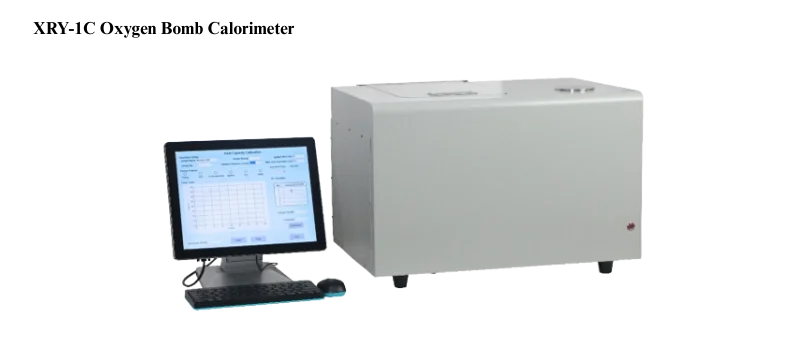
2. Accuracy & Calibration Bomb Calorimeter Problems
Accuracy-related errors are one of the main causes of recurring Bomb Calorimeter Problems reported in laboratories.
Low Calorific Values
Root Causes:
Heat loss
Incomplete combustion
Poor insulation
Fix:
Verify adiabatic or isoperibol jacket
Run certified benzoic acid calibration
Ensure full combustion
Poor Repeatability
Causes:
Temperature sensor drift
Unstable water bath
Infrequent calibration
Best Practice:
Weekly calibration with certified benzoic acid
Allow water bath thermal equilibrium
Maintain ±0.1°C temperature stability
Calibration Constant Instability
Often caused by:
Poor-quality reference samples
Microbalance inaccuracy
Operator inconsistency
Using automated software significantly reduces these risks.
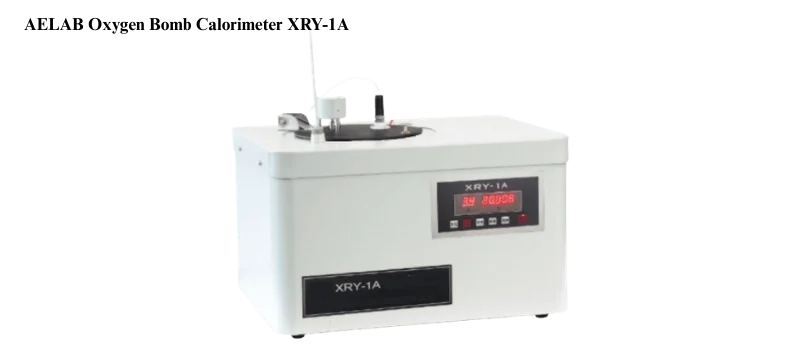
3. Safety Considerations to Prevent Bomb Calorimeter Problems
The decomposition vessel (calorimeter bomb) is the most critical and potentially dangerous component of the system.
Because combustion occurs under high-pressure oxygen, strict safety procedures must be followed.
Vessel Impact & Structural Damage
The vessel must never be dropped or struck.
If impact occurs:
Stop usage immediately
Contact manufacturer
Request renewed hydraulic pressure testing
Mandatory Pressure Testing
According to international standards:
Hydraulic pressure test required every 5000 analyses OR every 2 years
Daily leak testing recommended
Increased testing frequency for high-usage labs
Regular pressure testing prevents catastrophic failure.
Daily Leak Test Procedure
Fill vessel with gas
Submerge in water
Observe bubble formation
If intense bubbles appear:
Identify leak area
Request maintenance immediately
Sealing Component Maintenance
Replace O-rings every 6–12 months
Inspect internal seals regularly
Apply manufacturer-approved lubricants
Worn seals are a major cause of oxygen leakage and combustion failure.
Post-Analysis Cleaning
After each analysis:
Clean vessel with distilled water
Use isopropyl alcohol or suitable detergent
Dry thoroughly before reassembly
Poor cleaning can:
Cause corrosion
Affect heat capacity
Reduce measurement accuracy
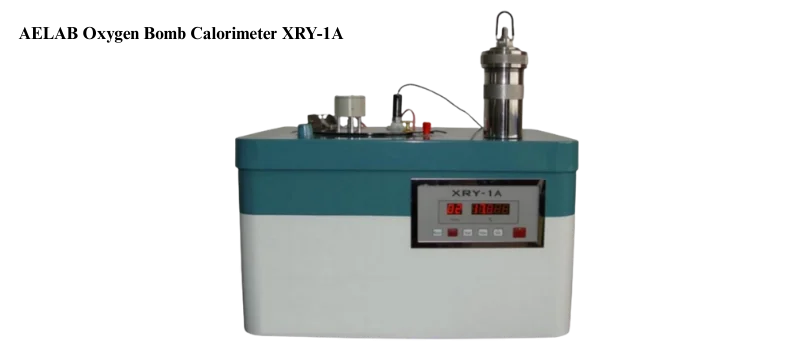
4. Sample-Specific Factors in Bomb Calorimeter Problems
Choosing the correct vessel and crucible based on the sample’s combustion behavior helps reduce Bomb Calorimeter Problems and ensures accurate results.
High Halogen Samples (e.g., Coal with Chlorine)
Coal is one of the most common bomb calorimeter samples.
High chlorine or halogen content can:
Corrode vessel surface
Damage sealing components
Reduce equipment lifespan
Before calorific value testing:
Determine halogen content
Select appropriate corrosion-resistant vessel
Use suitable crucibles
Proper halogen detection ensures long-term bomb integrity.
High Volatile or Mineral Samples
These samples may be difficult to burn completely.
Recommendation:
Use appropriate capsules
Ensure controlled combustion
Liquid Samples
To facilitate burning:
Tie cotton thread to ignition wire
Avoid direct contact between cotton and highly flammable liquids
Crucible Selection
Use materials suitable for the sample:
Metal
Quartz
Platinum
Correct crucible choice improves combustion efficiency and protects equipment.
How Modern Equipment Prevents Bomb Calorimeter Problems
Many recurring problems originate from outdated systems.
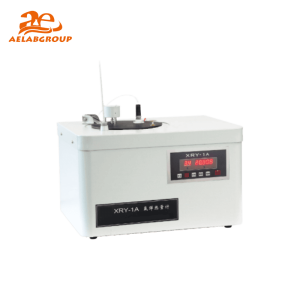
Advanced systems such as AELAB automatic bomb calorimeters eliminate most operational and safety risks.
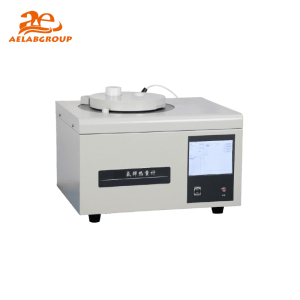
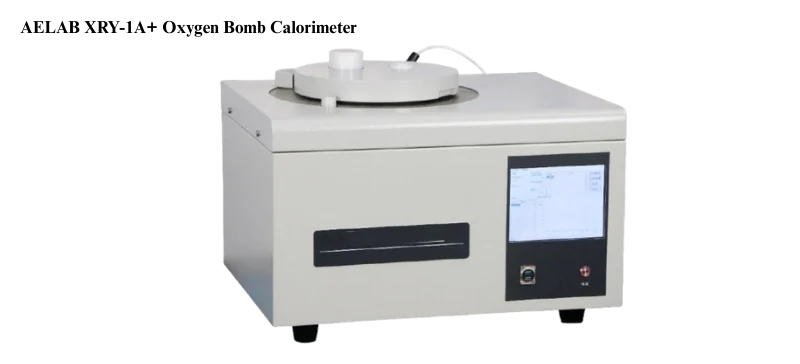
AELAB XRY-1A+ Oxygen Bomb Calorimeter – Calorific Value Determination for Coal & Petroleum Products
Professional Expert Recommendations
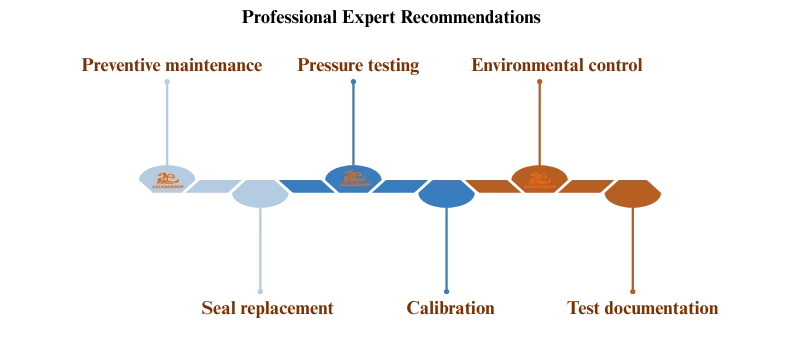
To prevent Bomb Calorimeter Problems and ensure safe, accurate operation:
Perform preventive maintenance
Replace sealing components periodically
Conduct hydraulic pressure testing on schedule
Validate calibration for different sample categories
Control laboratory environment (temperature & humidity)
Document all tests for traceability
Consistency ensures reliable calorific value determination.
Conclusion
Bomb calorimeter problems typically arise from:
Improper sample preparation
Inadequate maintenance
Calibration neglect
Vessel misuse
Outdated equipment
By following strict safety procedures, performing routine leak and pressure testing, selecting proper vessels and crucibles, and using advanced automatic systems like AELAB bomb calorimeters, laboratories can achieve:
Accurate calorific value measurements
Improved repeatability
Enhanced safety
Long-term equipment durability
Need Expert Help with Bomb Calorimeter Problems?
If your laboratory is experiencing recurring Bomb Calorimeter Problems or planning to upgrade its equipment, our specialists can help you select the right system based on your specific testing requirements, sample types, workload, and accuracy standards.
Sample type
Testing volume
Compliance requirements
Budget
👉 Contact AELAB today for safer, more accurate, and fully automated bomb calorimetry solutions.