

Understanding Flame Photometers and Their Applications
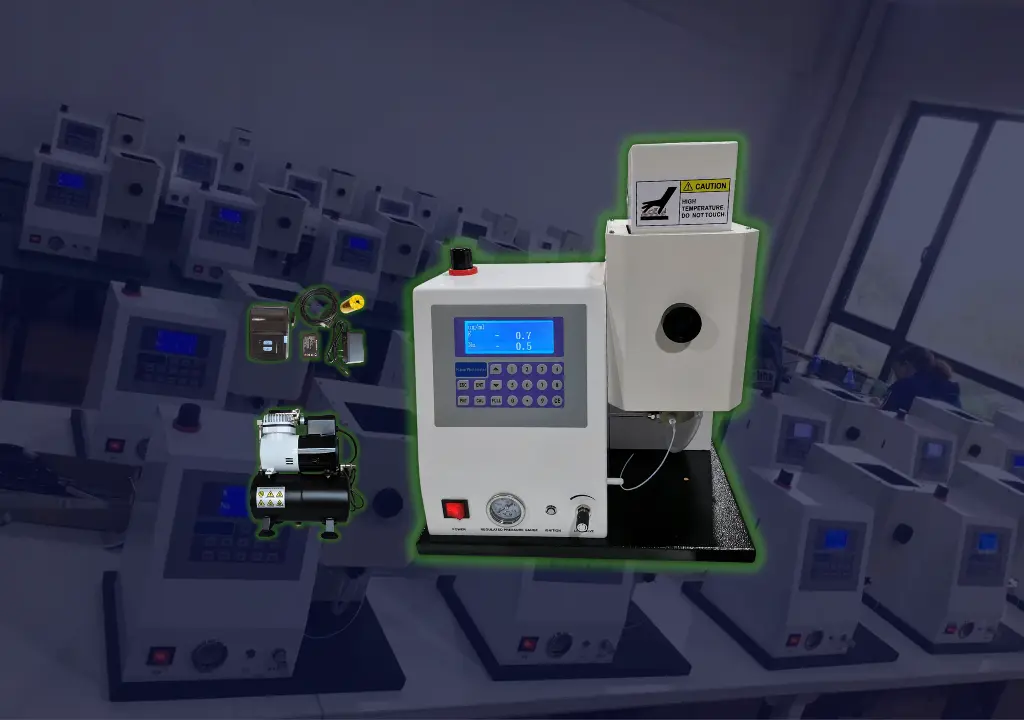
A Flame Photometer is an essential analytical instrument widely used in various industries to measure the concentration of specific metal ions, such as sodium, potassium, lithium, and calcium, in different samples. It operates on the principle of flame emission spectroscopy, making it a reliable tool for precise ion detection. This device is crucial for applications in clinical laboratories, agricultural testing, environmental analysis, and more.
How Flame Photometers Work
The operation of a flame photometer involves several key steps:
- Sample Introduction: The liquid sample is introduced into the device via a nebulizer, converting it into a fine mist.
- Atomization: In the flame, the mist is vaporized, and the metal ions are atomized.
- Excitation: The high temperature of the flame excites the metal atoms, causing them to emit light at specific wavelengths.
- Detection: A photodetector captures the intensity of this emitted light, which correlates with the concentration of the metal ions in the sample.
Key Components of a Flame Photometer
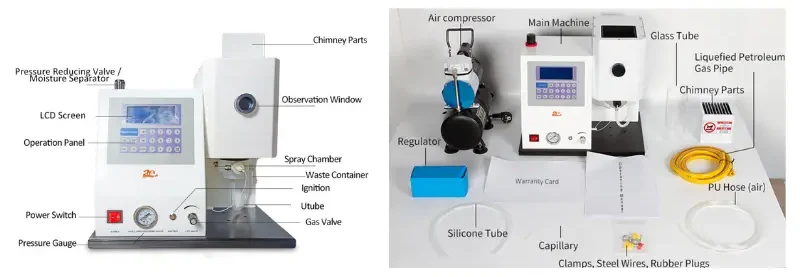
- Nebulizer: Converts the sample solution into an aerosol.
- Mixing Chamber: Mixes the aerosol with fuel and oxidant before it enters the flame.
- Burner: Generates the flame that atomizes and excites the sample.
- Monochromator: Selects the specific wavelength of light emitted by the excited atoms.
- Photodetector: Measures the intensity of the emitted light at the selected wavelength.
Applications of flame photometer
Flame photometers find extensive use due to their simplicity, cost-effectiveness, and reliable performance. Here are some primary applications:
Clinical Laboratories
In clinical settings, flame photometers are used to measure electrolyte levels in body fluids, such as blood and urine. These measurements are vital for diagnosing and monitoring conditions like electrolyte imbalances, kidney disorders, and dehydration.
Agricultural and Soil Testing
Flame photometers play a significant role in agriculture by analyzing soil and plant samples. They measure essential nutrients like potassium and calcium, helping farmers optimize fertilization practices for better crop yields and soil health.
Environmental Analysis
Environmental scientists use flame photometers to monitor water quality. They measure metal ion concentrations in water samples from various sources, including rivers, lakes, and industrial effluents, to assess pollution levels and ensure regulatory compliance.
Food and Beverage Industry
In the food and beverage industry, flame photometers analyze the mineral content of products. This is crucial for quality control and ensuring products meet nutritional labeling requirements.
Pharmaceutical Industry
Pharmaceutical companies rely on flame photometers for quality control of raw materials and finished products. Accurate measurement of metal ions ensures the consistency and safety of pharmaceutical formulations.

Advantages of flame photometer
- Simplicity: Easy operation with straightforward sample preparation.
- Cost-Effective: Relatively low-cost analytical technique.
- Speed: Provides rapid analysis and quick results.
- Specificity: High specificity for detecting certain metal ions.
Conclusion
Flame photometers are vital tools in modern analytical chemistry, providing quick and reliable measurements of metal ion concentrations. Their applications span clinical diagnostics, environmental monitoring, agricultural analysis, and industrial quality control. Understanding their operation and benefits highlights their significant role in various industries.