Different Types of Balances Used in Laboratories
In laboratory settings, balances are critical instruments for precise mass measurement. The accuracy and reliability of scientific experiments often depend on the type of balance used. Various types of balances are designed to cater to specific needs and applications. Understanding these different types can help in selecting the most suitable balance for any given task. Here’s a detailed overview of the most commonly used laboratory balances.
1. Analytical Balances
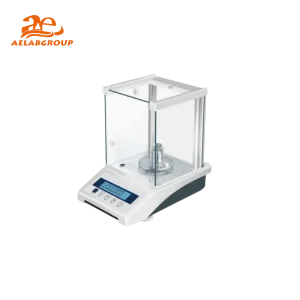
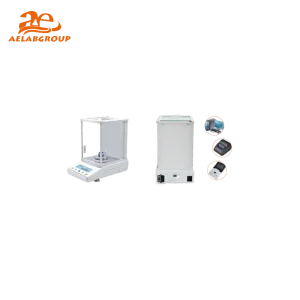
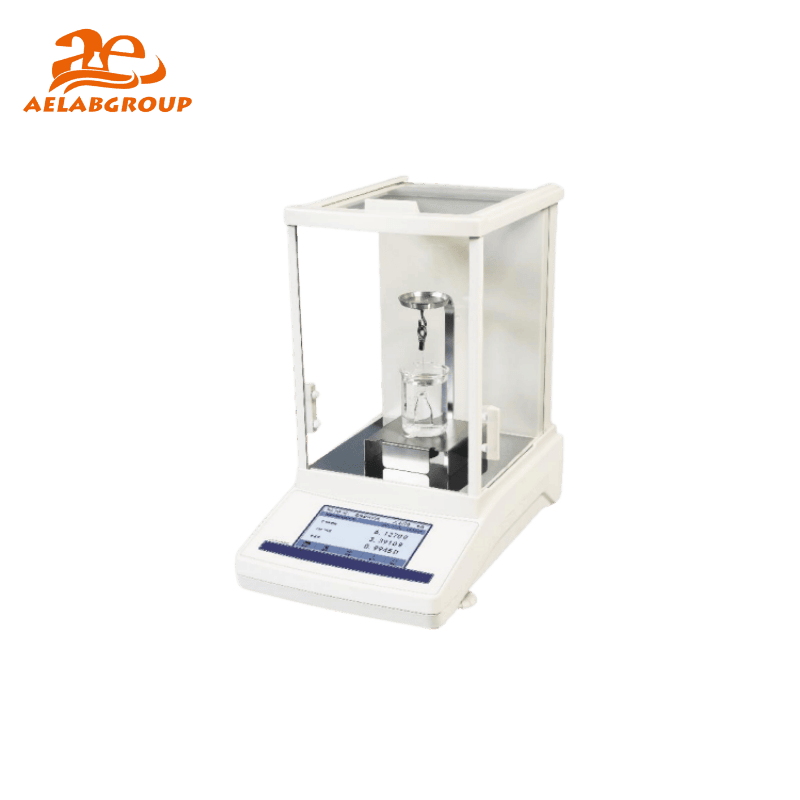
Analytical balances are known for their high precision and are used when exact measurements are crucial. These balances can measure mass with a readability down to 0.0001 grams (0.1 milligrams). They are equipped with draft shields to protect against air currents and other environmental factors that could affect the measurement. Analytical balances are typically used in chemical laboratories, pharmaceuticals, and research where precision is essential for obtaining reliable data.
Key Features:
- High Precision: Capable of measuring very small amounts.
- Draft Shield: Protects the sample from environmental influences.
- Applications: Used for chemical analysis, formulation, and quality control
2. Precision Balances
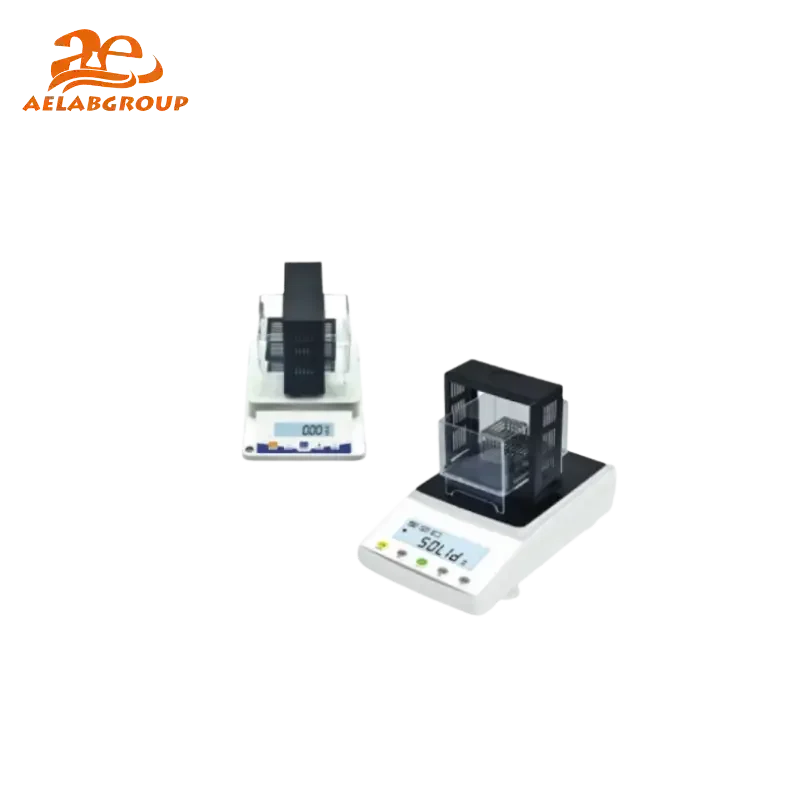
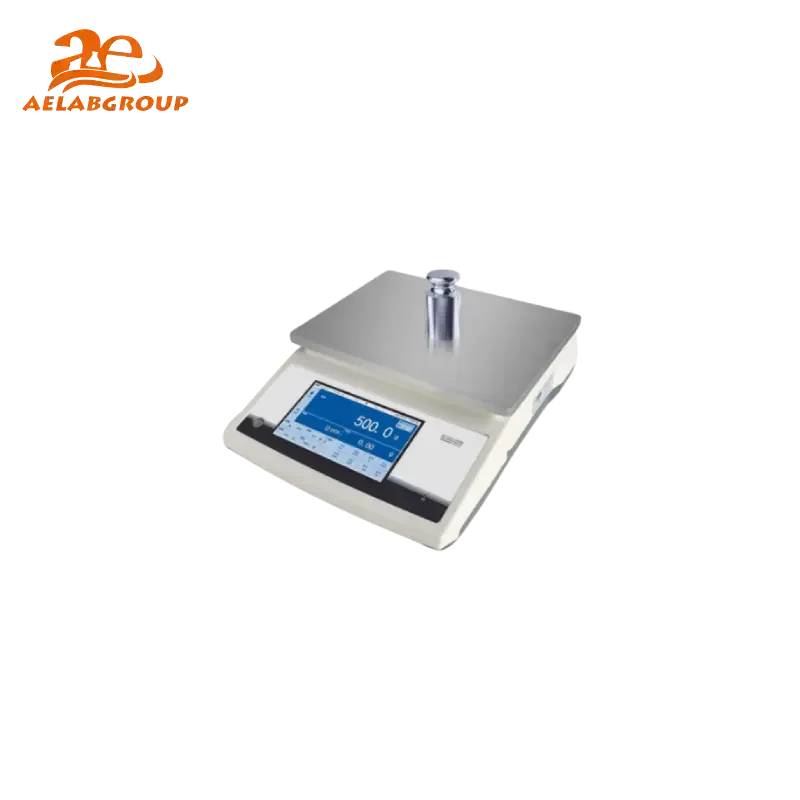
Precision balances offer a slightly lower level of accuracy compared to analytical balances, with readability typically ranging from 0.001 grams (1 milligram) to 0.01 grams (10 milligrams). These balances are versatile and used for general laboratory tasks such as weighing samples, preparing solutions, and routine quality control. They provide a balance between accuracy and practicality, making them suitable for a variety of scientific and industrial applications.
Key Features:
- Good Accuracy: Suitable for a broad range of weighing tasks.
- User-Friendly: Generally easier to operate than analytical balances.
- Applications: Used in laboratories, production environments, and for educational purposes.
3. Electronic Balances
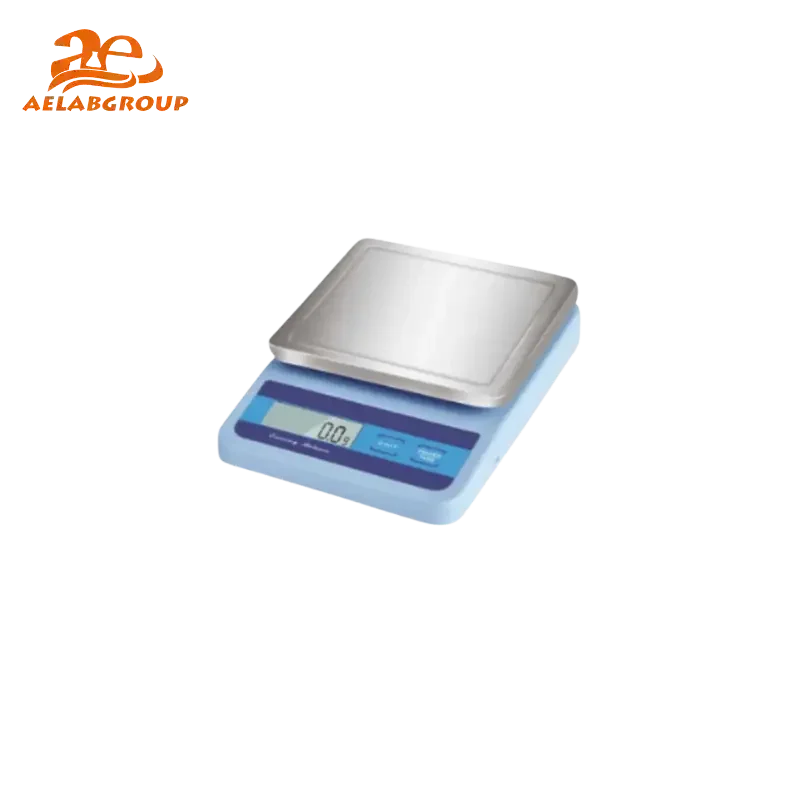
Electronic balances are among the most commonly used types in modern laboratories. They utilize electronic sensors to measure mass and display results digitally. These balances are known for their ease of use and can feature automatic calibration, tare functions, and data storage capabilities. Electronic balances are available in various models to meet different requirements, from everyday laboratory tasks to specialized high-precision applications.
Key Features:
- Digital Display: Provides clear, easy-to-read measurements.
- Automatic Features: Includes automatic calibration and tare functions.
- Applications: Suitable for routine laboratory measurements, research, and industrial applications.
4. Mechanical Balances
Mechanical balances operate based on traditional lever principles and do not include electronic components. They typically consist of two pans and a beam system. Users manually adjust the balance to measure the mass of a sample. Although less common in today’s laboratories, mechanical balances are valued for their durability and reliability. They are often used in educational settings or environments where electronic devices are not practical.
Key Features:
- Manual Operation: Uses levers and weights to achieve measurement.
- Durable: Known for their robustness and longevity.
- Applications: Ideal for educational use and environments where electronics may not be feasible.
5. Platform Scales
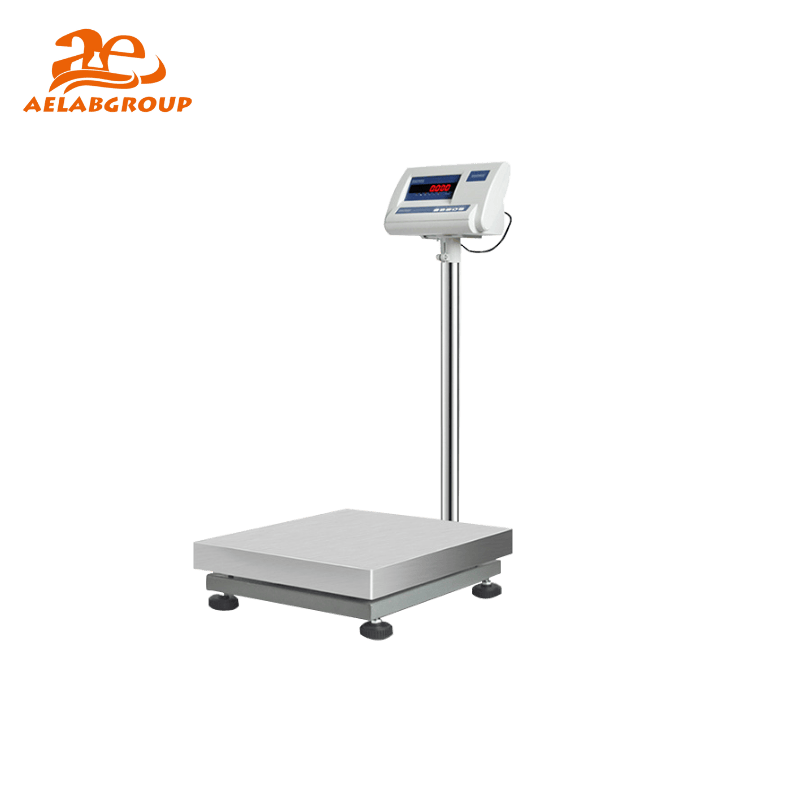
Platform scales are designed for measuring larger quantities of material and have a lower precision compared to other laboratory balances. They can be either electronic or mechanical and are commonly used in industrial and production settings for bulk weighing. These scales are suitable for tasks such as measuring large containers or substantial quantities of powders and liquids.
Key Features:
- Large Capacity: Designed to handle larger weights.
- Varied Precision: Generally offers lower precision compared to analytical or precision balances.
- Applications: Used for bulk weighing and industrial applications.
Choosing the right laboratory balance is essential for ensuring accurate and reliable measurements. Each type of balance—be it analytical, precision, electronic, mechanical, platform,serves specific purposes and is designed to meet particular needs. By understanding the features and applications of each type, laboratory professionals can select the most appropriate balance to enhance the accuracy and efficiency of their work.