

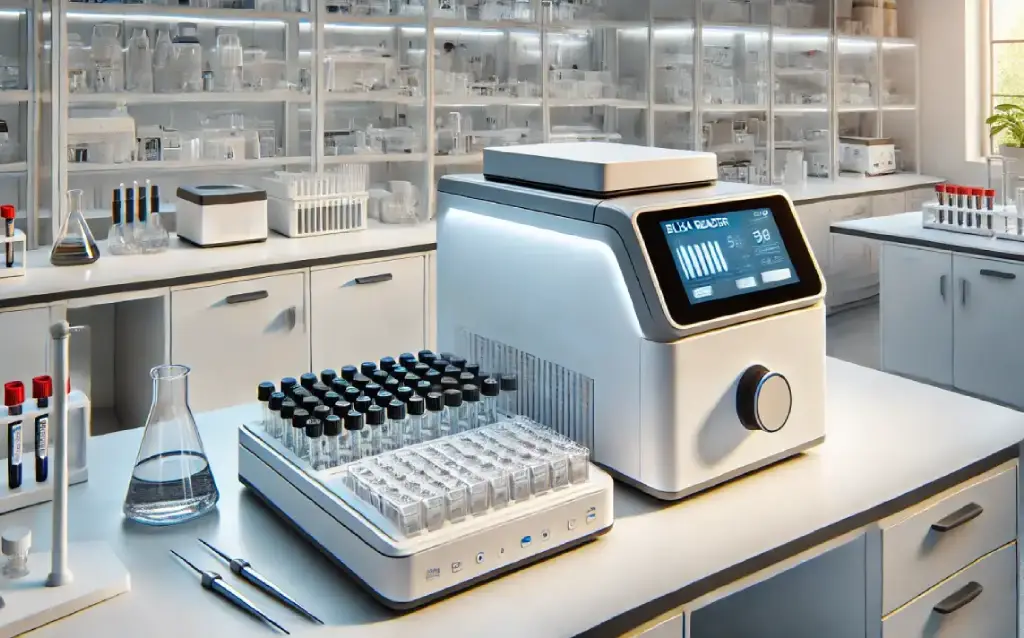
How ELISA Readers and Washers Work Together in the ELISA Assay
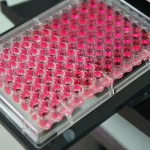
The Enzyme-Linked Immunosorbent Assay (ELISA) is a widely used technique in labs for detecting and quantifying specific proteins, antibodies, or antigens. It involves several crucial steps: first, antigens are bound to a solid surface. Then, detection antibodies are introduced, followed by a secondary antibody that is linked to an enzyme. This enzyme reacts with a substrate to produce a signal that can be measured, like a color change or fluorescence.
ELISA Readers are responsible for detecting and measuring this signal. They can work with different methods such as absorbance (color changes), fluorescence, or luminescence, depending on the nature of the assay. By measuring the intensity of the signal, ELISA readers help determine how much of the target substance is present in the sample.
ELISA Washers play a critical role in ensuring accurate results. Throughout the process, any unbound materials or excess reagents need to be washed away to prevent misleading readings. ELISA washers handle this task automatically, using specific washing protocols to clean out any non-specific bindings. This step ensures that the signal being measured truly reflects the target reaction, improving the reliability of the data.
Together, ELISA readers and washers streamline the assay process, making it faster and more accurate. By automating both detection and washing steps, they allow for consistent results across many samples, saving time and reducing human error.
Microplate Reader AMR/Flex/Feyond Series
A Microplate Reader (ELISA Reader) is a laboratory instrument used to detect and quantify biological and chemical reactions in microplate wells, providing rapid and accurate absorbance, fluorescence, or luminescence readings.
Micro-plate Reader/Elisa Reader SPR-960
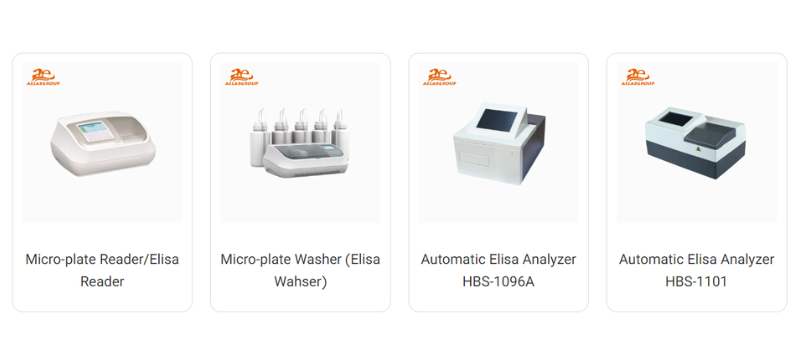
Micro-plate Washer (Elisa Wahser)
A Microplate Washer (ELISA Washer) is a lab device used to automate the washing steps in ELISA assays, ensuring accurate and consistent removal of unbound substances from microplate wells. It enhances assay precision and efficiency.
ELISA Readers and Washers in Research
ELISA is a fundamental tool in many research fields, such as drug discovery, immunology, and biomarker identification. It can detect even tiny amounts of specific proteins or molecules, making it incredibly useful for both basic research and practical applications.
Some Key Uses of ELISA in Research:
- Drug Discovery: ELISA is commonly used to screen potential drug compounds. It can detect interactions between a drug and a specific protein or receptor, helping researchers understand a drug’s effects and potency. ELISA readers allow for rapid and precise measurements, while ELISA washers ensure the removal of unwanted materials, giving researchers more accurate data.
- Biomarker Research: When studying biomarkers for diseases, ELISA’s sensitivity is key to detecting low levels of proteins or antigens. ELISA readers quickly provide data on concentrations, and washers help eliminate non-specific binding, which is essential for dependable results.
- Immunology Studies: ELISA is crucial for studying how the immune system reacts to antigens, including tracking antibodies and cytokines. This helps researchers understand immune responses in various conditions, from infections to autoimmune disorders. ELISA readers ensure precise measurements, while washers help reduce interference, ensuring the accuracy of the data.
By using ELISA readers and washers , labs can perform these tasks more efficiently, allowing scientists to focus on analyzing their data and making new discoveries.
ELISA Readers and Washers in Diagnostics
ELISA has been a trusted method in medical diagnostics for years because of its ability to accurately detect specific proteins and antibodies related to various conditions. It’s commonly used in the diagnosis of diseases like HIV, hepatitis, and more recently, COVID-19.
Common Applications in Diagnostics:
- Testing for Infectious Diseases: ELISA can detect both antigens from a virus (like HIV or hepatitis) and antibodies that a patient’s body produces in response. ELISA readers measure the concentration of these antigens or antibodies, while washers help ensure that any unbound materials are removed, reducing the risk of false positives.
- Allergy Testing: ELISA can detect specific antibodies (like IgE) that are linked to allergies. ELISA readers ensure accurate measurement of these antibodies, while washers prevent cross-reactivity with other substances, giving a clearer picture of which allergens are affecting a patient.
- Cancer Detection: ELISA is used to find certain tumor markers in the blood, like PSA for prostate cancer. This helps with early detection and monitoring of treatment. The precision of ELISA readers is key to measuring these markers accurately, while washers make sure that only the true signals are being measured.
- Hormone Testing: ELISA is also used to measure hormone levels, such as thyroid hormones or insulin. This is critical for diagnosing conditions like thyroid disorders or diabetes. ELISA readers provide precise measurements, and the washers ensure that only the target hormones are left in the sample during analysis.
The automation provided by ELISA readers and washers makes the diagnostic process faster and more reliable, ensuring that doctors and patients get accurate results for better medical decision-making.
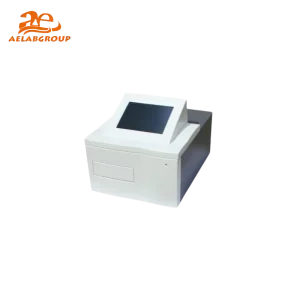
Automatic Elisa Analyzer HBS-1096A
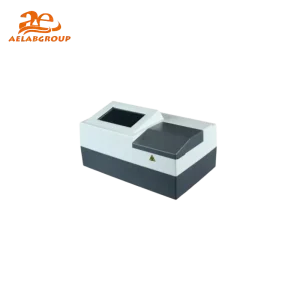
Automatic Elisa Analyzer HBS-1101
Why ELISA Readers and Washers Are Essential
The combination of ELISA readers and washers provides several benefits in both research and clinical settings:
- Precision and Accuracy: Automation reduces the risk of human error, providing consistent and accurate results, which is crucial for both research and clinical diagnostics.
- Efficiency: By automating tedious tasks like washing and reading, researchers and technicians can focus more on data analysis and less on manual labor.
- High Throughput: ELISA systems can handle many samples at once, making them ideal for large studies or routine testing in clinical labs.
- Reduced Contamination: ELISA washers ensure that plates are thoroughly cleaned between steps, reducing the risk of contamination and improving the reliability of the results.
Overall, ELISA readers and washers are key tools for modern laboratories, helping to make the ELISA process faster, more accurate, and more efficient. They are crucial in everything from drug research to diagnosing diseases, ensuring high-quality results that can drive both scientific advances and better patient care.