

Viscosity, the measure of a fluid’s resistance to flow, is a critical parameter across industries like pharmaceuticals, food production, petroleum, and cosmetics. Viscometers, devices designed to measure viscosity, play a pivotal role in ensuring product quality and consistency. This article explores the principles of viscometry, types of viscometers, their laboratory applications, and guidance on selecting the right viscometer for precise and reliable results.
What is Viscosity?
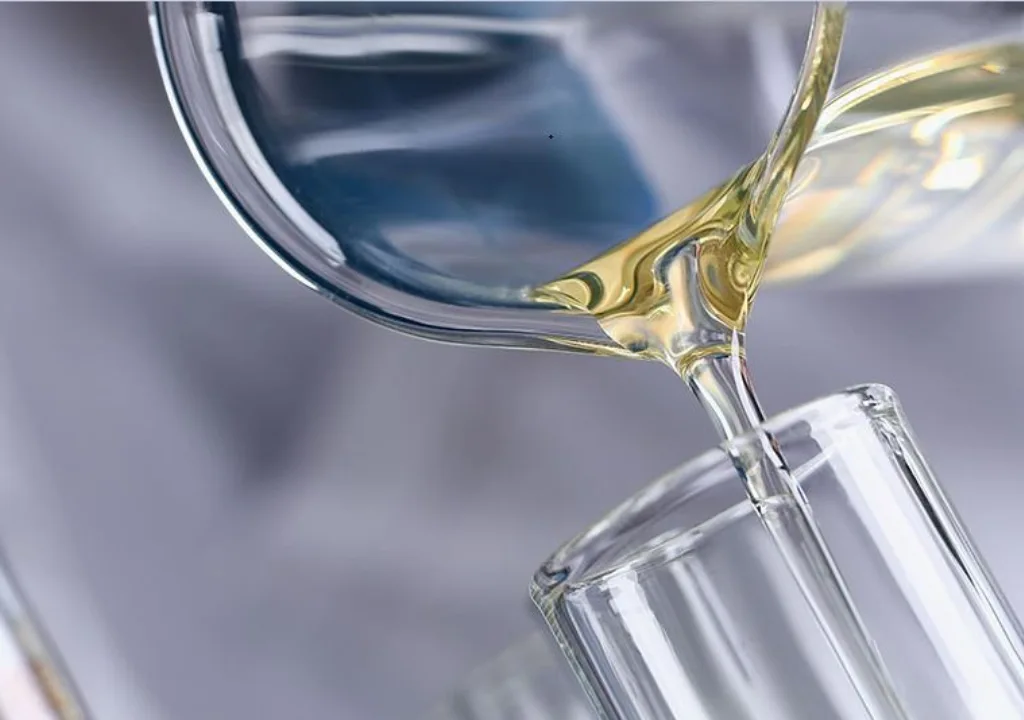
Viscosity is a fundamental property of fluids that measures their resistance to flow or deformation under an applied force. It determines how easily a liquid moves and is critical in industries such as pharmaceuticals, food, cosmetics, and petroleum. Fluids with high viscosity, like honey, flow more slowly, while low-viscosity fluids, like water, flow more freely. Viscosity plays a key role in product formulation, quality control, and performance optimization, influencing texture, stability, and efficiency. It is measured using units like centipoise (cP) for dynamic viscosity and centistokes (cSt) for kinematic viscosity. Accurate viscosity measurement ensures consistency and compliance with industry standards.
1. Understanding Viscometry
1.1 What is a Viscometer?
A viscometer is a scientific instrument designed to measure the viscosity of fluids, which reflects their resistance to flow or deformation. Viscosity, a critical property in industries like pharmaceuticals, food, cosmetics, and petroleum, determines how liquids behave under different conditions. Viscometers are essential for quality control and research, ensuring optimal product performance and consistency.
1.2 Types of Fluids: Newtonian vs. Non-Newtonian
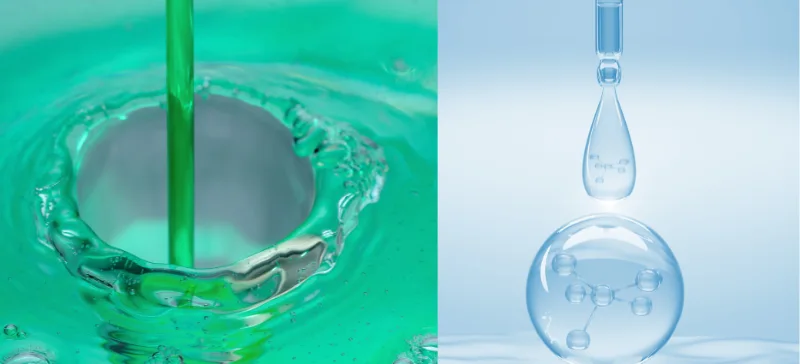
- Newtonian fluids: Maintain constant viscosity regardless of shear rate (e.g., water, oils).
- Non-Newtonian fluids: Exhibit variable viscosity under different shear rates (e.g., ketchup, paints).
1.3 Importance of Viscometry in Industries
Viscometry ensures product performance, consistency, and safety. It plays a critical role in optimizing processes like coating, pumping, and formulating materials across industries such as pharmaceuticals, food production, and cosmetics.
2. Principles and Measurement Techniques of Viscometer
2.1 Factors Affecting Viscosity Measurement
Temperature, shear rate, and proper sample preparation significantly influence viscosity readings. Maintaining controlled environments minimizes measurement errors.
2.2 Common Viscometry Techniques
- Rotational force: Measures torque needed to rotate a spindle in the fluid.
- Capillary flow: Tracks the time fluid flows through a narrow tube.
- Falling ball: Observes how long a ball takes to descend through the liquid.
2.3 Calibration and Accuracy
Regular calibration using standard fluids like silicone oil ensures reliable results. Maintenance and proper handling of the equipment prevent discrepancies in measurements.
3. Laboratory Viscometers and Their Applications
3.1 Types of Laboratory Viscometers
- Rotational Viscometers: Analyze absolute viscosity using torque. Models like the AELAB NDJ Series offer advanced features such as automatic recommendations, small sample adapters, and integrated temperature control.
- Capillary Viscometers: Suitable for measuring kinematic viscosity through fluid flow under gravity.
- MEMS-Based Viscometers: Compact and efficient, they are ideal for modern applications requiring small sample sizes and high precision.
3.2 Applications in Key Industries
- Pharmaceuticals: Ensure the consistency and safety of syrups and injectable solutions.
- Food and Beverage: Analyze the texture and flow properties of sauces and dairy products.
- Cosmetics: Define usability and customer perception of products like creams and sprays.
3.3 Advanced Features in Modern Viscometers
Viscometers now offer integrated data management, automated calibration, and compact designs, making them indispensable for laboratory use.
4. Choosing the Right Viscometer
4.1 Define Application Needs
Consider the type of fluid (Newtonian or non-Newtonian), viscosity range, and testing environment.
4.2 Evaluate Features and Budget
Select viscometers based on advanced features like automatic calibration, temperature control, and small sample requirements. Models like the AELAB NDJ Series provide excellent functionality for diverse laboratory needs.

4.3 Accuracy and Repeatability
Opt for viscometers offering high precision and consistent results. Advanced models ensure reliable data for quality control and research.

Conclusion
Viscometers are essential tools in laboratories, enabling precise viscosity measurement to ensure product quality and process efficiency. By understanding viscometry principles and selecting the right instrument, laboratories can achieve consistent and reliable results across various industries. With advancements in technology, modern viscometers continue to enhance research and industrial applications.