
info@aelabgroup.com
QR Code 1
QR Code 2

Effective Strategies for Steam Autoclave Monitoring

Effective Strategies for Steam Autoclave Monitoring AELAB

Effective Strategies for Steam Autoclave Monitoring

Effective Monitoring of Steam Autoclaves: Best Practices and Insights

Introduction:

Steam autoclave monitoring is a critical process to ensure effective sterilization and compliance with industry standards. By implementing proper monitoring strategies, facilities can maintain safety, efficiency, and reliability while reducing risks associated with improper sterilization.
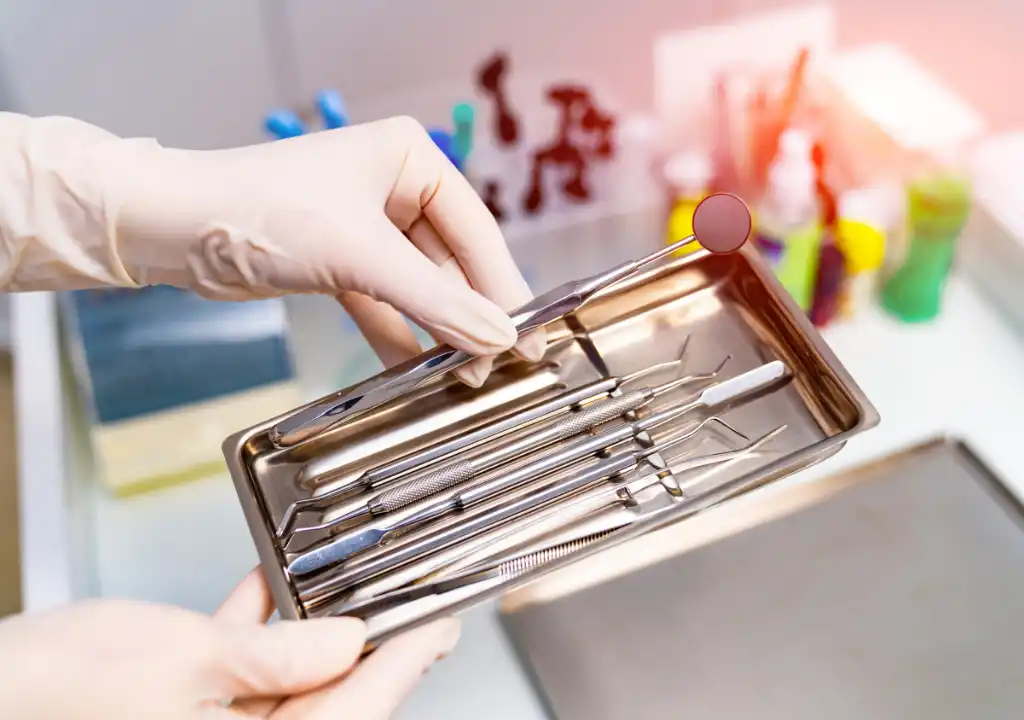

Steam autoclaves are vital tools in sterilization processes across medical, laboratory, and industrial settings. Effective monitoring ensures equipment safety, regulatory compliance, and operational efficiency. This article explores practical methods to monitor steam autoclaves, addressing key parameters and common challenges while offering actionable solutions.


Effective Monitoring Methods for Steam Autoclave Monitoring

read more:Distillation Apparatus: Performance and Applications


Why Monitor a Steam Autoclave?

Monitoring a steam autoclave ensures effective sterilization by verifying critical parameters such as temperature, pressure, and exposure time. Proper monitoring reduces risks, protects users, and prevents costly failures.


Key Benefits of Monitoring

  • Ensures Sterilization Efficiency

    Confirms the elimination of microorganisms.

  • Enhances Safety

    Prevents contamination risks for personnel and patients.

  • Maintains Compliance

    Meets health and safety standards.

  • Reduces Costs

    Identifies potential issues early, avoiding downtime.

  • Optimizes Processes

    Improves operational efficiency with documented cycles.

Effective Strategies for Steam Autoclave Monitoring

Figure 1: Autoclave Temperature Cycle
This figure illustrates the temperature variations during a complete sterilization cycle, highlighting vacuum pulses, sterilization, and drying phases.


Key Parameters to Monitor

Successful steam sterilization depends on four essential parameters:

  1. Steam Quality

    Use dry saturated steam (≥97% dryness fraction).

  2. Temperature

    Maintain between 121°C and 134°C, depending on the load.

  3. Pressure

    Ensure adequate pressure for effective heat transfer.

  4. Time

    Adjust exposure time based on the sterilization temperature and material.


Effective Monitoring Methods for Steam Autoclave Monitoring

1. Mechanical Monitoring

  • Regularly check autoclave displays or printouts for temperature, pressure, and time consistency.
  • Investigate deviations to ensure proper sterilization.

2. Chemical Indicators

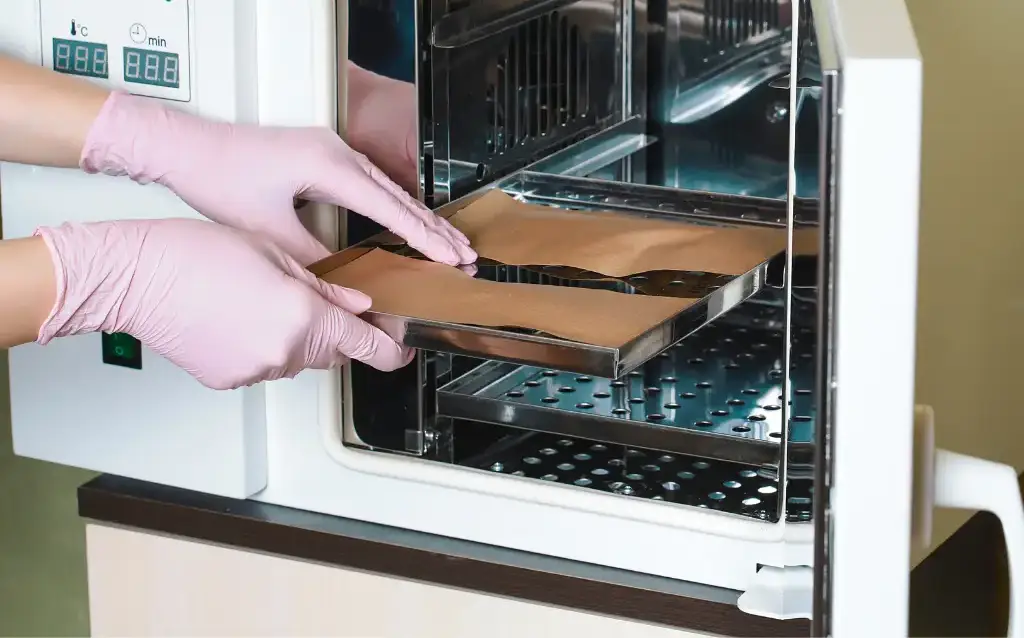
  • Place color-changing indicators inside packages.
  • Use multi-parameter indicators for enhanced reliability.

3. Biological Indicators

  • Conduct weekly tests using bacterial spore strips (e.g., Geobacillus stearothermophilus).
  • Incubate strips post-cycle to confirm microbial inactivation.

4. Digital Data Logging

  • Use software to record and analyze sterilization parameters.
  • Generate automated alerts for failed cycles.

Why Monitor a Steam Autoclave

Figure 2: Autoclave Process Diagram
This figure shows a schematic representation of the internal process in a steam autoclave, including steam flow, pressure regulation, and sterilization chamber components.


Best Practices for Steam Autoclave Monitoring

  1. Combine Monitoring Methods

    Use mechanical, chemical, and biological indicators for comprehensive validation.

  2. Train Personnel

    Ensure operators understand monitoring tools and protocols.

  3. Perform Regular Maintenance

    Inspect gaskets, sensors, and steam generators.

  4. Document Cycles

    Maintain detailed logs for traceability and compliance.

  5. Optimize Loading

    Avoid overpacking to ensure steam penetration.


General Recommendation for Process Monitoring and Optimization Across Industries

Effective monitoring and optimization of processes are critical in various industries. Below is an example of a comprehensive checklist that can serve as a guide to enhance performance and efficiency. You can customize it to suit the specific needs of your field and processes.

Stage Checklist Items
Preparation – Define monitoring objectives and specific process requirements.
– Select suitable tools and sensors.
– Identify Key Performance Indicators (KPIs).
Process Monitoring – Check equipment settings (e.g., temperature, pressure, time).
– Monitor real-time data.
– Use chemical and biological indicators where applicable.
Regular Maintenance and Inspection – Conduct periodic equipment inspections.
– Calibrate tools and sensors.
– Clean and remove contaminants.
Documentation and Reporting – Record data for each cycle.
– Generate quality management reports.
– Maintain repair and calibration records.
Staff Training – Train staff on proper use of tools.
– Familiarize them with standards.
– Provide clear and concise instructions.
Compliance with Standards – Ensure adherence to industry standards.
– Conduct internal audits and prepare for external reviews.
Continuous Improvement – Analyze data to identify weaknesses.
– Update tools and processes with technological advancements.
– Gather staff feedback to enhance operations.

Note: This checklist is provided as an example. You can tailor it based on the unique requirements and challenges of your specific industry or process.

Benefits: By using this framework, organizations can improve quality, reduce costs, and increase operational efficiency across diverse applications.


 

Challenges and Solutions for Steam Autoclave Monitoring

Challenge Solution
Incomplete Air Removal Use vacuum-assisted cycles for better steam penetration.
Corrosion of Instruments Dry instruments thoroughly and consider anticorrosive treatments.
Material Compatibility Select heat-resistant materials like polypropylene or polysulfones.
Overloading the Chamber Ensure appropriate spacing for steam contact with all surfaces.


Introduction to AE Lab Autoclave Products

AE Lab offers a range of advanced autoclaves designed for precise and efficient sterilization. These products feature digital monitoring, automatic control of temperature and pressure, and customizable cycle times to ensure optimal performance under all conditions. AE Lab autoclaves are ideal for use in medical, laboratory, and industrial settings and comply with global standards. Explore the AE Lab product line to find the perfect solution for your sterilization needs.

Effective Monitoring of Steam Autoclaves

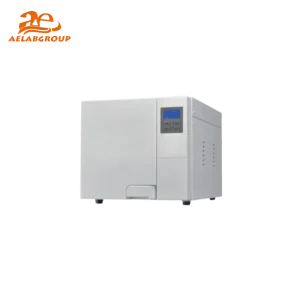
Portable Pressure Steam Sterilizer / Autoclave (YX series)

other products:

Class B Autoclave AE-C8/C12 Series

And more.


Conclusion

Monitoring steam autoclaves effectively ensures safety, compliance, and efficiency. By combining physical, chemical, and biological indicators with regular maintenance and documentation, facilities can achieve consistent sterilization results. Adopting these best practices will not only safeguard users but also streamline operations for long-term reliability.

Frequently Asked Questions

1Why is monitoring a steam autoclave essential?
Monitoring ensures sterilization efficiency by verifying key parameters like temperature, pressure, and exposure time. It enhances safety, maintains regulatory compliance, reduces costs by preventing failures, and optimizes operational processes.
2What are the four key parameters that must be monitored in steam autoclaving?
The essential parameters are steam quality (dry saturated steam with ≥97% dryness), temperature (typically between 121°C and 134°C), pressure (to enable effective heat transfer), and sterilization time adjusted to the temperature and materials.
3What methods are commonly used to monitor steam autoclave cycles?
Common monitoring methods include mechanical monitoring (checking temperature, pressure, time), chemical indicators (color-changing markers), biological indicators (testing with bacterial spores), and digital data logging systems for recording and alerts.
4What are some best practices to improve the reliability of steam autoclave monitoring?
Best practices include combining multiple monitoring methods for validation, training personnel properly, performing regular maintenance on the autoclave, documenting sterilization cycles carefully, and optimizing loading to allow proper steam penetration.
5What challenges are typically faced during steam autoclave monitoring, and how can they be addressed?
Common challenges include incomplete air removal (solved by vacuum-assisted cycles), corrosion of instruments (managed by drying and protective treatments), material compatibility (using heat-resistant materials), and overloading (ensuring adequate spacing inside the chamber).
Share:

Categories

Laboratory and Science Knowledge

Leave a Reply

Leave a Reply

Your email address will not be published. Required fields are marked *