


Digital Coating Thickness Gauges: Applications and Benefits Across Industries
Digital coating thickness gauges play a crucial role in quality assurance across various industries, such as automotive, construction, and manufacturing. These advanced tools are used to measure dry film thickness (DFT) on different substrates, ensuring that coatings meet quality standards, optimize material use, and enhance product durability. Whether in automotive, construction, or manufacturing, these gauges are indispensable for maintaining compliance with industry standards and improving operational efficiency.
What is a Digital Coating Thickness Gauge?
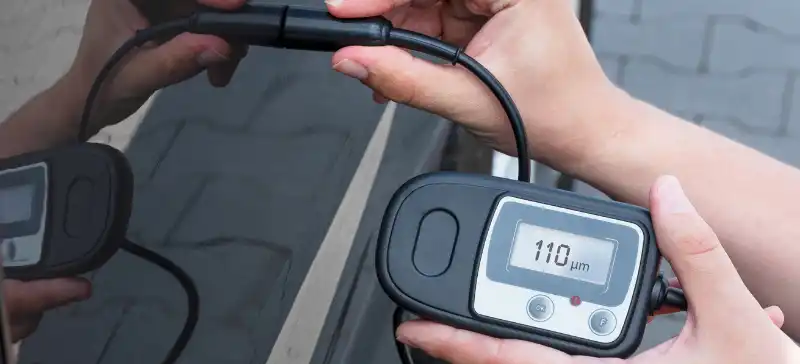
A digital coating thickness gauge is a device designed to measure the thickness of dry coatings such as paint, metal plating, or varnish. Accurate measurement of DFT is essential for ensuring proper coating performance, appearance, and longevity, as highlighted by industry standards such as ISO 2178. By preventing material overuse and reducing costs, these tools contribute significantly to quality control across multiple sectors. Industries like automotive, construction, and manufacturing rely heavily on these devices to achieve consistent and reliable results.
Types of Coating Thickness Gauges
Digital coating thickness gauges can be categorized based on their operating principles and specific applications. The primary types include:
-
Magnetic Induction Gauges
- Measure non-magnetic coatings on ferrous substrates like steel.
- Operate by detecting variations in magnetic fields caused by the coating.
-
Eddy Current Gauges
- Ideal for non-conductive coatings on non-ferrous metals like aluminum.
- Use electromagnetic fields to determine thickness.
-
Ultrasonic Gauges
- Suitable for non-metallic substrates like wood, concrete, and plastic.
- Measure thickness by analyzing sound wave reflections, particularly effective for multilayer coatings.
-
Destructive Testing Gauges
- Physically cut through the coating to measure its thickness directly.
-
Manual Gauges
- Often used for wet film thickness, such as comb-style gauges for simple and direct readings.
Highlighted Example: CM-8820 Digital Coating Thickness Gauge
One exceptional digital coating thickness gauge is the CM-8820, designed specifically for measuring non-magnetic coatings on magnetic materials. Its advanced features make it suitable for both laboratory use and harsh field conditions.
Key Features of the CM-8820:
- Complies with ISO 2178 for accurate and reliable measurements.
- Utilizes a micro-computer LSI circuit and crystal time base for fast results.
- Offers a wide measuring range of 0 to 2000 µm with high resolution.
- Lightweight and durable ABS-plastic housing ensures maintenance-free performance.
- Digital display for precise and error-free readings.
The CM-8820 is an excellent solution for industries requiring accurate and repeatable measurements.

Applications of Digital Coating Thickness Gauges
Digital coating thickness gauges are widely used in various industries, including automotive for corrosion prevention, construction for structural safety, and manufacturing for quality assurance:
-
Automotive
- Ensure even paint application to enhance aesthetics and prevent corrosion.
-
Construction
- Verify protective coatings on structural steel to comply with safety standards.
-
Manufacturing
- Maintain quality control by checking coating thickness on consumer goods.
-
Research and Development
- Test new coating materials and optimize processes for improved performance.
How Do Digital Coating Thickness Gauges Work?
The working principle of a digital coating thickness gauge depends on its type:
- Magnetic Induction: Detects changes in magnetic flux on ferrous substrates.
- Eddy Current: Measures electrical impedance variations on non-ferrous substrates.
- Ultrasonic: Analyzes the time sound waves take to reflect through the coating.
Modern gauges often include digital displays for quick and accurate readings. For example, brands like CM-8820 and others offer user-friendly interfaces and precise results. Regular calibration against known standards is essential for maintaining measurement accuracy.
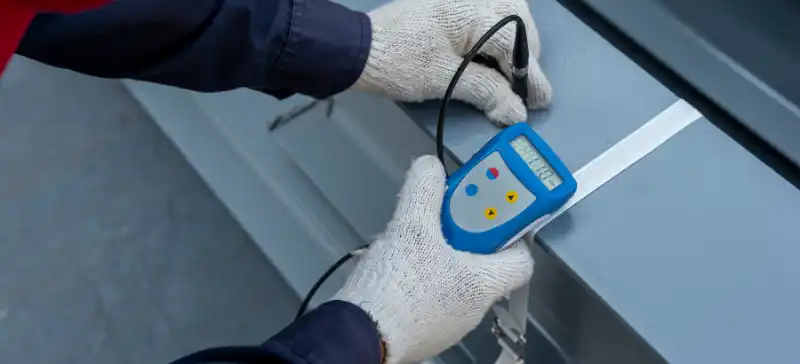
Importance of Accurate Coat ing Thickness Measurement
Accurate measurement of coating thickness is vital for several reasons:
- Quality Assurance: Ensures the coating’s functionality and longevity.
- Cost Efficiency: Reduces material waste and optimizes resource usage.
- Compliance: Meets industry-specific standards and specifications.
Proper handling and regular calibration are crucial for obtaining reliable results, ensuring that coating thickness gauges continue to deliver precise measurements.
Conclusion
Digital coating thickness gauges are essential tools for quality control and efficiency across various industries. Understanding their types, applications, and working principles helps users select the right tool for their specific needs. Devices like the CM-8820 exemplify the precision and reliability required for today’s demanding industrial and research environments. By ensuring accuracy and optimizing performance, these gauges play a significant role in sustainability and innovation.