

How Mineral Analyzers Transform Mineral Exploration
Comparison of Mineral Analyzers
| Type of Device | Key Features | Primary Applications | Analyzed Minerals |
|---|---|---|---|
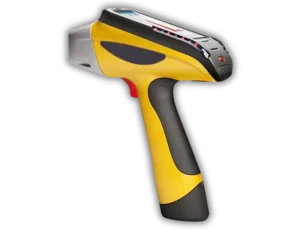
| X-Ray Fluorescence (XRF) | – Accurate elemental analysis – Non-destructive method – Available in portable and lab-based models |
– On-site ore grading – Mineral identification – Soil and sediment analysis – Quality control in mining and metallurgy |
– Precious metals (e.g., gold, silver, copper, iron) – Oxides (e.g., titanium dioxide) – Sulfides (e.g., pyrite, galena) |
| Raman Spectrometers | – High precision for crystal structure analysis – Non-invasive and portable – Effective for complex mineral mixtures |
– Identifying gemstones and crystalline minerals – Mineralogical research – Detecting impurities in rocks |
– Gemstones (e.g., diamond, sapphire) – Carbonates (e.g., calcite, aragonite) – Silicates (e.g., quartz, feldspar) |
| Laser-Induced Breakdown Spectroscopy (LIBS) | – Rapid trace element detection – Lightweight and field-friendly design – Real-time analysis with minimal preparation |
– Exploration of light elements like lithium – Ore quality assessment – Quick field surveys |
– Light elements (e.g., lithium, beryllium) – Rare earth elements – Alkali metals (e.g., sodium, potassium) |
| Infrared Spectroscopy (IR) | – Detects molecular vibrations and bonds – Non-invasive and precise method |
– Identifying clays, carbonates, and organic compounds – Geological and environmental studies – Moisture content analysis |
– Clays (e.g., kaolinite, montmorillonite) – Carbonates (e.g., calcite, dolomite) – Organic and hydrated minerals |
| Geochemical Sensors | – Continuous, real-time monitoring – Durable in harsh environments |
– Monitoring geochemical changes during drilling – Environmental impact studies |
– Minerals with key geochemical indicators (e.g., arsenic, cadmium, lead) – Compounds affecting soil and water quality |