

Steam, UV, or Chemicals? The Best Sterilization Equipment for Labs
Sterilization is a crucial process for maintaining safety and accuracy in laboratories. Deciding on the best sterilization method—whether using steam, UV, or chemicals—depends on your lab’s specific needs, the types of materials you’re working with, and relevant regulatory standards. This article will explore the most effective sterilization options available.
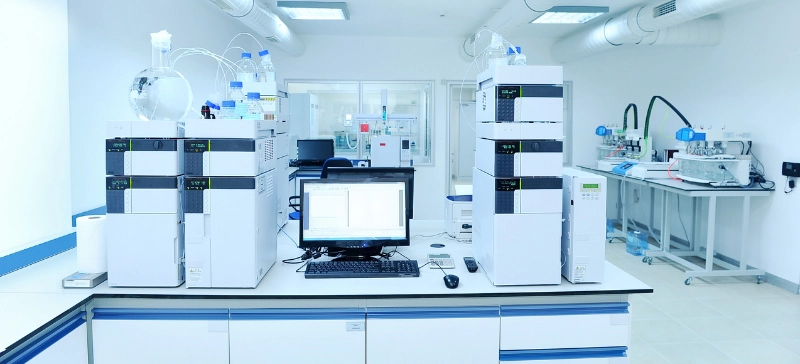
Learn more: Gas Chromatography: Techniques, Applications, and Key Concepts
Steam Sterilization (Autoclaves)
Steam sterilization is a top choice for its reliability and affordability. Autoclaves use high-pressure steam to kill bacteria, viruses, and spores. They are ideal for sterilizing glassware, surgical tools, and heat-resistant materials. Ensure proper validation and monitoring to meet safety standards.
Best for:
- Heat-resistant items
- High-volume sterilization
- Labs handling infectious agents
UV Sterilization
UV light is a chemical-free method for sterilizing surfaces and air. It disrupts microbial DNA, rendering pathogens inactive. Portable UV sterilizers are convenient for quick disinfection of equipment, though they are less effective for heavily soiled surfaces.
Best for:
- Cleanrooms
- Small lab spaces
- Surface sterilization
Chemical Sterilization
Chemical methods, such as ethylene oxide (EtO), hydrogen peroxide, or alcohol-based solutions, are effective for heat-sensitive items. These methods often require strict handling protocols due to potential toxicity.
Best for:
- Plastics and electronics
- Delicate instruments
- Single-use medical devices
Learn more:The Role of Mineral Analyzers in Transforming Mineral Exploration
Factors to Consider
-
Material Compatibility
Ensure the sterilization method won’t damage your equipment.
-
Regulatory Standards
Follow FDA and ISO guidelines for sterilization practices.
-
Lab Size
Smaller labs might prefer compact equipment like UV sterilizers.
-
Frequency of Use
High-throughput labs benefit from robust autoclaves.
Emerging Technologies
Recent innovations include vaporized hydrogen peroxide and ozone-based sterilizers. These methods combine efficiency with reduced environmental impact. Always verify their compliance with established sterilization standards.
Key Takeaways
- Use steam for durability and cost-efficiency.
- Opt for UV when simplicity and speed matter.
- Choose chemicals for delicate or heat-sensitive tools.
Regular equipment validation ensures consistent sterilization, critical for lab safety and compliance. Select the method that aligns with your lab’s needs and enhances operational efficiency.
Introduction to AELAB Sterilization Devices for Laboratories
Climate Chamber -(Fluorine-free Refrigeration)
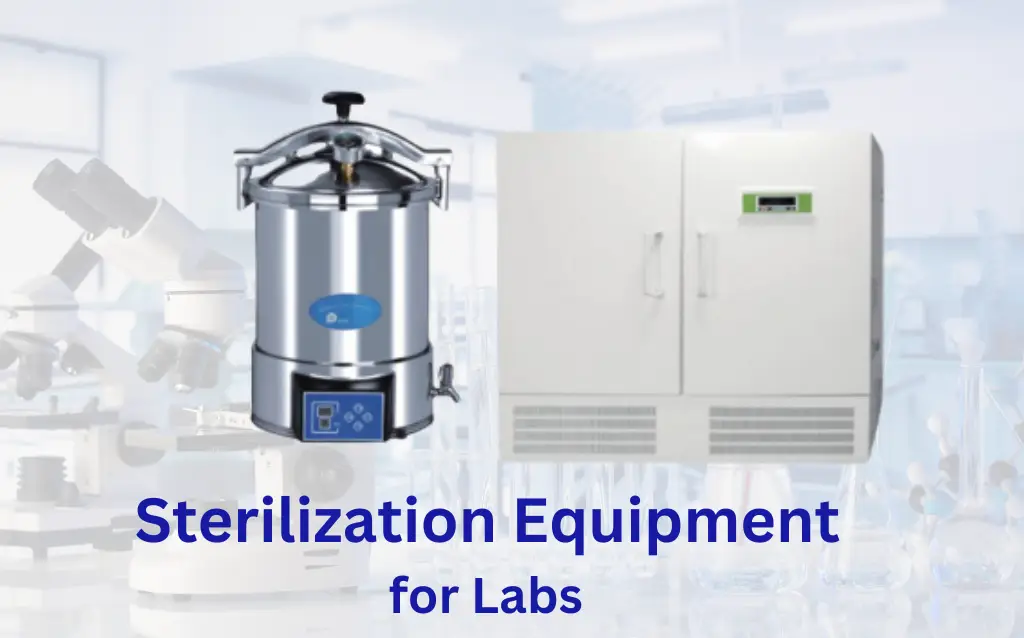
The AELAB Climate Chamber features eco-friendly, fluorine-free refrigeration with precise control of temperature and humidity, ideal for sensitive experiments. It includes a UV sterilization system for internal disinfection and offers multi-stage programming with an easy-to-use LCD display for accurate operations. Perfect for scientific and industrial tests requiring controlled and sterilized environmental conditions.

Portable Pressure Steam Sterilizer (YX Series)
The Portable Pressure Steam Sterilizer, also known as the YX series autoclave, is a compact and mobile device used for sterilizing equipment and materials with high-pressure steam. It’s commonly employed in medical, laboratory, and industrial environments, where portability and efficient sterilization are essential. The sterilizer works by generating steam under high pressure, effectively killing bacteria, viruses, and other microorganisms. It features easy-to-use controls that allow users to monitor and adjust pressure, temperature, and sterilization time. This device is designed for rapid sterilization cycles, ensuring both reliability and convenience in settings with limited space or high mobility requirements.

Conclusion
Choosing the best sterilization method for laboratories—whether it’s Steam, UV, or Chemicals—depends on specific needs, equipment types, and workload. Steam is ideal for heat-resistant materials and extensive sterilization, UV offers a fast, chemical-free option for surfaces and air, while Chemicals are perfect for delicate items that cannot withstand heat.
By considering factors such as material compatibility, regulatory standards, and emerging technologies, you can select a method that ensures safety, efficiency, and compliance. Maintaining proper validation and continuous monitoring of equipment is key to successful sterilization processes.