

Introduction to X-Ray Diffraction (XRD)
X-Ray Diffractometer (XRD) is an essential analytical tool for identifying crystal structure, phase composition, and residual stress in materials. XRD analysis plays a crucial role in material characterization, helping researchers and engineers analyze the atomic structure of various substances. It is widely applied in metallurgy, nanotechnology, pharmaceuticals, geology, and engineering.
XRD works by directing X-rays onto a sample. The scattered rays form a diffraction pattern, revealing the internal structure of the material. Understanding XRD analysis is vital for crystal structure determination, quality control, and research in multiple scientific fields.
Principles of X-Ray Diffraction (XRD Analysis)
XRD is based on Bragg’s Law, which states:
where:
is an integer (diffraction order),
is the X-ray wavelength,
is the spacing between atomic planes,
is the diffraction angle.
X-rays interact with a crystalline structure, producing a diffraction pattern. This pattern provides crucial data for crystal structure determination and material characterization.

Figure 1: A diagram of the Bragg-Brentano X-ray diffractometer illustrating the interaction of X-rays with a sample and the role of primary and secondary optics in diffraction analysis. This setup is widely used for analyzing crystalline materials.
Main Components of an X-Ray Diffractometer (XRD)
X-ray Source
– Generates X-rays using a metal target (e.g., Cu, Mo).
Sample Holder
– Holds the sample in powder, thin film, or solid form.
Goniometer
– Controls the rotation of the sample and detector.
Monochromator
– Filters X-rays for improved accuracy.
Detector
– Captures and records diffraction data.
Computer & Software
– Analyzes diffraction patterns for phase identification and structure determination.

Figure 2: A schematic representation of the key components of an X-ray diffractometer, including the X-ray source, goniometer, sample holder, detector, and collimator. This setup is essential for precise diffraction measurements and structural analysis of materials.
Types of X-Ray Diffraction (XRD) Techniques
1. Powder X-ray Diffraction (PXRD Analysis)
Used for phase identification and crystallinity analysis.
Suitable for minerals, ceramics, pharmaceuticals, and metals.
2. Single-Crystal X-ray Diffraction (SC-XRD Analysis)
Determines precise atomic structures.
Requires high-quality single crystals.
3. X-ray Reflectometry (XRR) for Material Characterization
Measures thin film thickness and surface properties.
Used in semiconductors and coatings.
4. Grazing Incidence X-ray Diffraction (GIXD Analysis)
Analyzes thin films and surface layers.
Applied in nanotechnology and polymer research.
5. Residual Stress Measurement with XRD
Evaluates internal stresses in metals and ceramics.
Essential for mechanical performance analysis.

Applications of X-Ray Diffractometer (XRD) in Different Industries
1. Metallurgy and Engineering with XRD Analysis
Identifies phases in alloys and metals.
Measures grain size, texture, and residual stress.
2. Nanotechnology and XRD Analysis
Characterizes nanoparticles and thin films.
Determines crystal structure and defects.
3. Pharmaceuticals and Chemistry Using XRD
Identifies drug polymorphs and crystalline forms.
Ensures stability and bioavailability.
4. Geology and Mineralogy with XRD
Determines mineral composition in rocks and soils.
Used in oil exploration and environmental studies.
5. Electronics and Semiconductors with XRD Analysis
Analyzes thin films and microstructures.
Ensures quality control in semiconductor manufacturing.
Learn more: Spectrophotometers vs. Fluorometers: Key Differences & Applications
Strengths and Limitations of X-Ray Diffraction (XRD Analysis)
✔ Strengths
✅ Non-destructive – No sample damage. ✅ Accurate – Provides detailed structural information. ✅ Versatile – Works on powders, thin films, and bulk samples. ✅ Fast – Results in minutes.
❌ Limitations
❌ Not suitable for amorphous materials. ❌ Requires sample preparation. ❌ Limited depth analysis.
Related AELab Products
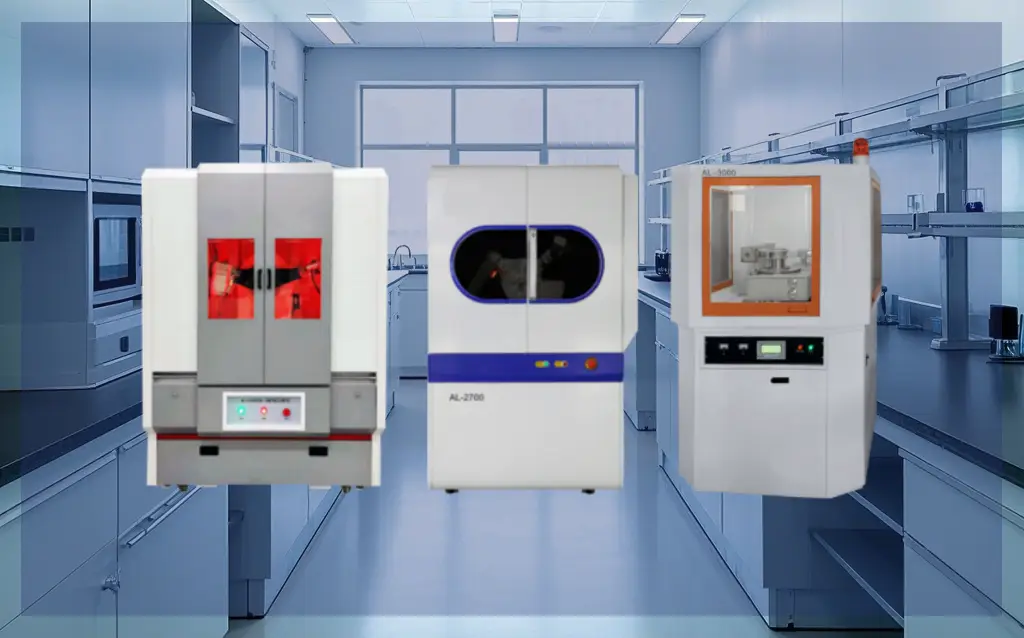
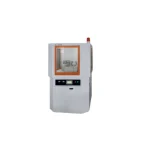
X-Ray Diffractometer AL Series
The AL Series X-Ray Diffractometer is designed for materials research and industrial analysis, providing high-precision diffraction angle measurements and stable repeatability. It supports phase identification, quantitative analysis, and crystal structure studies under various conditions, including high temperatures and low pressures. With its advanced hardware and software, it ensures accurate and efficient material characterization for academic and industrial applications.
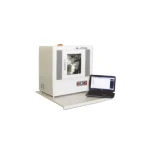
AL-27mini Desktop X-ray Diffractometer
The AL-27mini Desktop X-ray Diffractometer is a compact and high-performance XRD system, designed for commercial process control and quality assurance. It enables qualitative, quantitative, and crystal structure analysis of both metal and nonmetal samples, making it particularly effective for catalysts, titanium dioxide, cement, and pharmaceuticals. With its miniaturized design, it offers a cost-effective and space-efficient solution for industries requiring reliable material characterization.
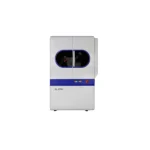
X-Ray Diffractometer AL-2700 Series
The AL-2700 Series X-Ray Diffractometer is a versatile and high-precision XRD system, designed for analyzing a wide range of materials, including metals, composites, nanomaterials, inorganic compounds, and polymers. It supports powder, bulk, thin films, and micro samples, making it ideal for applications in cement, chemicals, pharmaceuticals, and environmental research. With advanced scanning capabilities and exceptional accuracy, it provides reliable structural analysis for both industrial and research applications.
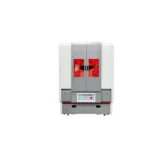
Combined Multi-functional X-ray Diffractometer AL-Y3500 Series
The AL-Y3500 Series X-Ray Diffractometer is a multi-functional and high-precision XRD system, designed for advanced material research and industrial applications. It supports crystal structure analysis, texture studies, stress measurement, and phase identification, making it ideal for use in metallurgy, aerospace, petrochemicals, and research institutes. Combining standard and specialized XRD techniques, it delivers precise and reliable material analysis with advanced scanning capabilities and customizable settings.
Conclusion and Future of X-Ray Diffractometer (XRD Analysis)
X-ray diffraction is an essential tool for material characterization. It plays a vital role in metallurgy, nanotechnology, pharmaceuticals, and geology. With advancements in detector technology, AI analysis, and synchrotron sources, XRD analysis is becoming faster, more accurate, and automated.
As industries demand better material characterization, XRD will continue to evolve. Its applications in research, development, and quality control will keep expanding.