

What is PCR and Its Significance in Molecular Biology?
A Polymerase Chain Reaction test detects specific DNA or RNA sequences and is widely used to diagnose infections, genetic disorders, and certain types of cancer. By amplifying the genetic material from a sample, this diagnostic test makes it easier to identify pathogens, mutations, or abnormalities. The PCR method has revolutionized diagnostics, enabling the early detection of diseases such as COVID-19, HIV, and various genetic conditions.
How Does PCR Work? Understanding the Process of Polymerase Chain Reaction
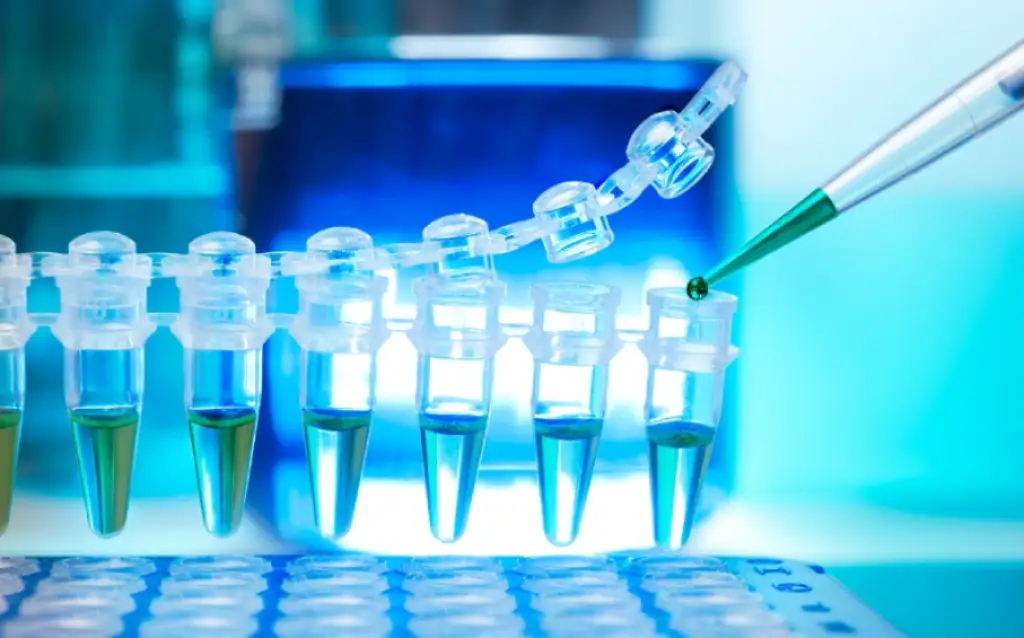
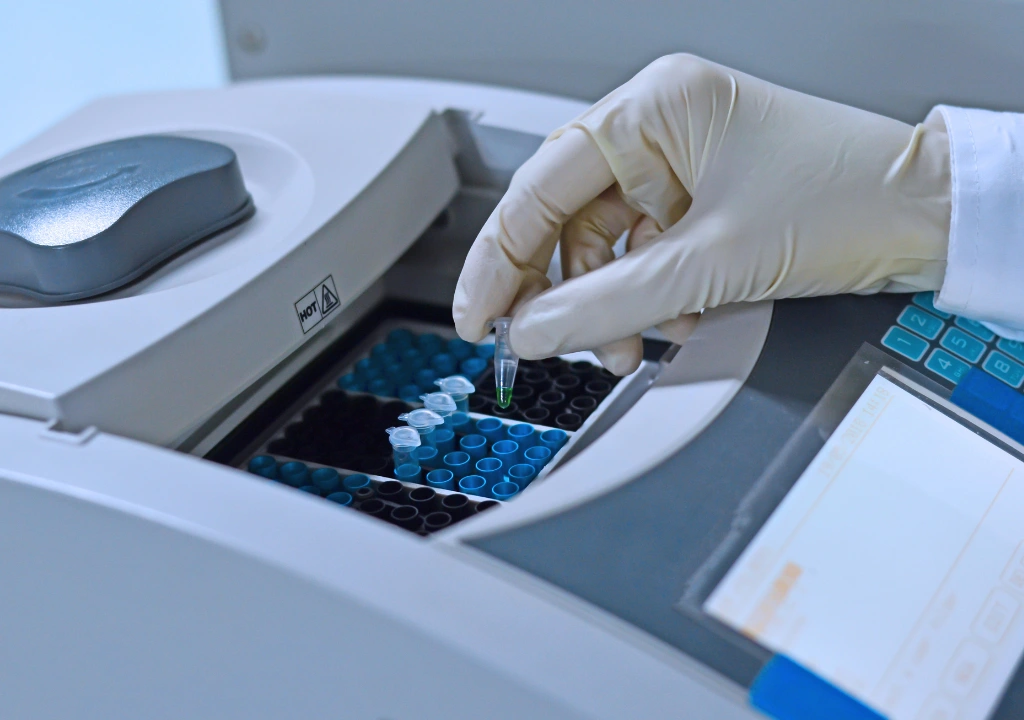
PCR amplifies DNA by repeatedly denaturing the DNA template, annealing primers, and extending the DNA sequence. The process begins by heating the DNA to separate the strands, followed by cooling to allow primers to bind. Taq polymerase then synthesizes new DNA strands, doubling the amount with each cycle. This cyclical process continues for 20–40 cycles, producing millions of copies of the target DNA.
Learn more : Recirculating Chillers: How They Work, Applications, and Key Considerations
What is Polymerase Chain Reaction (PCR)? The Role in Medical Diagnostics
The Polymerase Chain Reaction detects specific DNA or RNA sequences and is used to diagnose infections, genetic disorders, and certain types of cancer. By amplifying the genetic material from a sample, PCR makes it easier to identify pathogens, mutations, or abnormalities. This technique has revolutionized diagnostics, enabling early detection of diseases such as COVID-19, HIV, and various genetic conditions.
Types of PCR Techniques: Comparing Real-Time, Digital, and Traditional Methods
There are several types of Polymerase Chain Reaction techniques, including traditional, real-time (qPCR), and digital (dPCR) methods. Traditional PCR amplifies DNA and is primarily used for qualitative analysis. Real-time PCR measures the amount of amplified DNA in real-time, providing quantitative data. Digital PCR offers greater sensitivity and precision by partitioning the sample into many smaller reactions, allowing for more accurate quantification.
PCR Testing for Infectious Diseases: How This Method Became Essential in Diagnosing Viruses
PCR testing has become crucial for diagnosing viral infections, including COVID-19 and other emerging diseases. By converting viral RNA into complementary DNA (cDNA) through reverse transcription (RT-PCR), this technique enables the early detection of pathogens, even in the initial stages of infection. It provides critical data for early treatment and containment. Genetic testing continues to play an essential role in identifying infected individuals, particularly in high-risk populations.
What Does Polymerase Chain Reaction Stand For? Decoding the Acronym and Its Importance
PCR stands for Polymerase Chain Reaction, a process that amplifies specific DNA sequences using a heat-stable DNA polymerase enzyme. This technique has become indispensable in molecular biology, advancing genetics, diagnostics, and medical research. Its ability to generate billions of copies of DNA from a small sample makes it a cornerstone in various scientific fields.
The Growing Demand for PCR Testing: Impact on Accessibility and Public Health
Due to increasing demand, Polymerase Chain Reaction tests have become more accessible than ever through local testing sites. This surge plays a crucial role in disease management and public health monitoring, particularly in infectious diseases like COVID-19. These diagnostic techniques continue to be integral to public health strategies worldwide.
Best Practices for Performing Accurate PCR Tests: Ensuring Reliable Results
To ensure the accuracy of Polymerase Chain Reaction tests, best practices include using high-quality reagents, maintaining strict temperature control, and preventing contamination. Proper primer design and the use of modern thermal cyclers are essential to enhancing the reliability and reproducibility of these diagnostic procedures.
Challenges in Polymerase Chain Reaction Diagnostics: Overcoming Limitations and Improving Accuracy
Despite its advantages, Polymerase Chain Reaction testing faces some challenges, such as the risk of contamination leading to false positives. Non-specific primer binding can also cause inaccurate results. Moreover, the need for prior knowledge of the DNA sequence limits its application in cases with unknown genetic material. However, advancements such as digital PCR and improved enzyme technologies help address these challenges and increase the accuracy of results.

EQmini Series Real-time PCR System
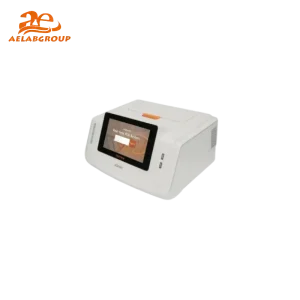
Real-time PCR System eQ mini-A Series
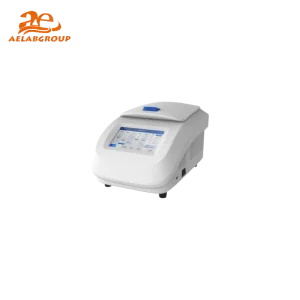
Gradient Thermal Cycler CYL-008-1
Conclusion: The Future of PCR Testing and Its Expanding Role in Medical Research
The future of Polymerase Chain Reaction testing looks promising, with continued advancements in real-time and digital techniques opening new possibilities for precise diagnostics and gene analysis. Genetic testing is playing an increasingly important role in personalized medicine, tailoring treatments based on genetic information. As technology evolves, PCR diagnostic tools will continue to expand in their applications in infectious disease diagnosis, genetic analysis, and forensic investigations, shaping the future of medical research and diagnostics.