

Heating blocks, also known as dry block heaters or dry bath incubators, serve as essential laboratory tools for precisely heating samples. They provide a controlled and uniform temperature environment for small vessels, such as test tubes, microcentrifuge tubes, and vials. This article explores the functionality, applications, and benefits of heating blocks, highlighting their significance across various scientific fields.
What Is a Heating Block?
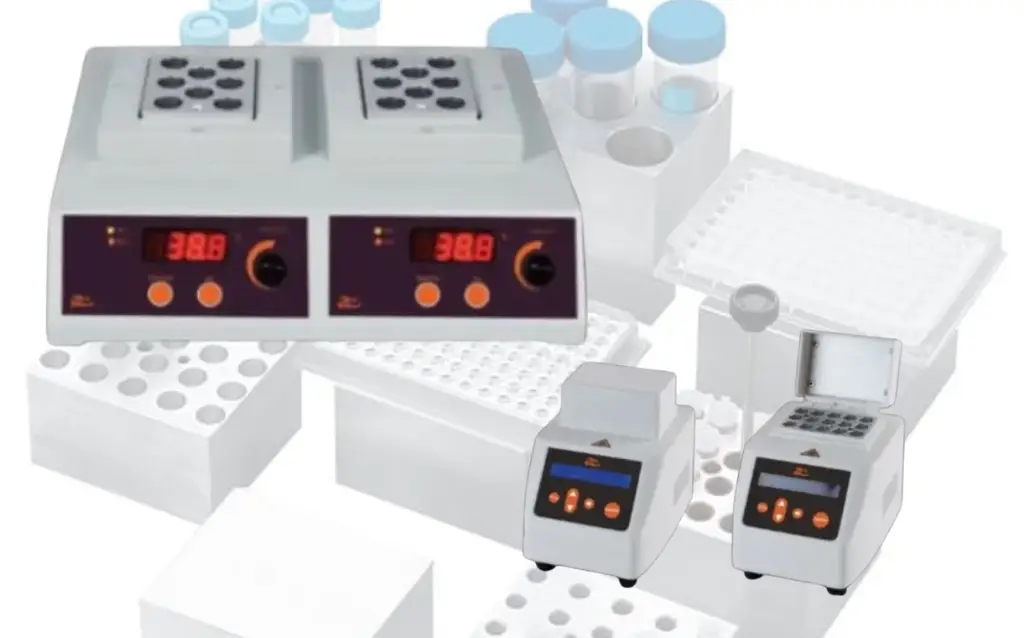
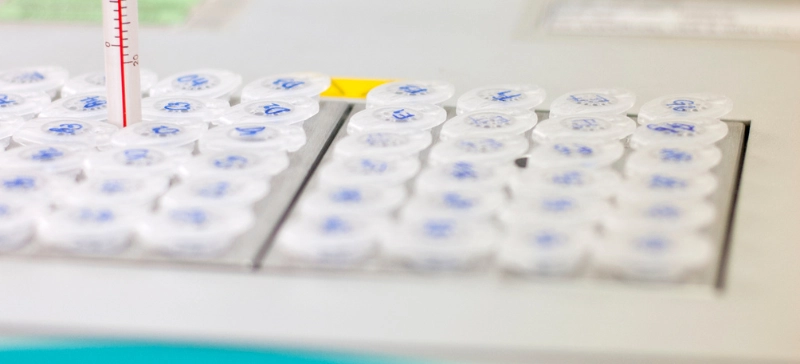
A heating block is a laboratory device designed to provide consistent, uniform heat to samples. It is commonly used in molecular biology, biochemistry, and clinical laboratories. Typically, these devices consist of a metal block with pre-drilled wells that can hold containers of various sizes. A built-in heating element ensures the samples reach the desired temperature. Heating blocks are ideal for sensitive procedures, such as enzyme reactions, DNA amplification, and protein analysis.
Learn more : What is PCR? Types, Tests, and Applications Explained
How Do Heating Blocks Work?
These tools work by utilizing a built-in heating element to heat the metal block. The block contains pre-drilled wells designed to hold vials, test tubes, or other containers. Temperature regulation is achieved through analog or digital controls, depending on the model. Digital models provide precise temperature control and easy monitoring via digital displays. Some tools also include timers and temperature probes, ensuring accurate and repeatable results.
Applications of Heating Blocks
These tools have diverse applications across different scientific fields. Some of the key uses include:
-
Sample Preparation
-
These tools are frequently used to prepare samples by heating them to specific temperatures. This aids in processes such as protein denaturation or DNA melting.
-
Enzyme Reactions
-
Maintaining consistent heat is critical for enzyme activity. Heating blocks incubate enzymes, preserving their function during experiments.
-
DNA Amplification and PCR
-
This equipment plays a vital role in DNA denaturation and polymerase chain reaction (PCR). Precise temperature control ensures success in these processes.
-
Clinical Applications
-
Clinical labs use These tools to store and incubate samples, ensuring accurate diagnostics. They are essential for procedures like coagulation tests, serum preservation, and other diagnostic tests.
-
Biotechnology and Molecular Biology
-
They are essential tools in research that involves genetic analysis, electrophoresis, and other molecular biology techniques.
Benefits of Using Heating Blocks
1. Precise Temperature Control
These tools offer precise temperature regulation, which is crucial for sensitive experiments. Digital models often include advanced features, such as temperature calibration and temperature probes, ensuring that samples remain at the desired temperature.
2. Uniform Heat Distribution
These blocks guarantee even heat distribution across the samples. This reduces the risk of hot spots or temperature inconsistencies that might negatively affect experimental results.
3. Versatility
They are compatible with a wide range of container sizes, from small vials to larger test tubes. Their modular design allows for easy replacement and cleaning of blocks, making them adaptable to various research needs.
4. Energy Efficiency
Compared to wet heating blocks, which use liquids like water or oil, dry heating blocks are more energy-efficient. They require less power to reach and maintain the desired temperature, making them a more sustainable option for laboratories.
5. Hygiene and Safety
Dry heating blocks create a sanitary environment by eliminating the need for messy liquids. Many models feature removable components, making them easy to clean and reducing the risk of contamination.
Differences Between Dry and Wet Heating Blocks
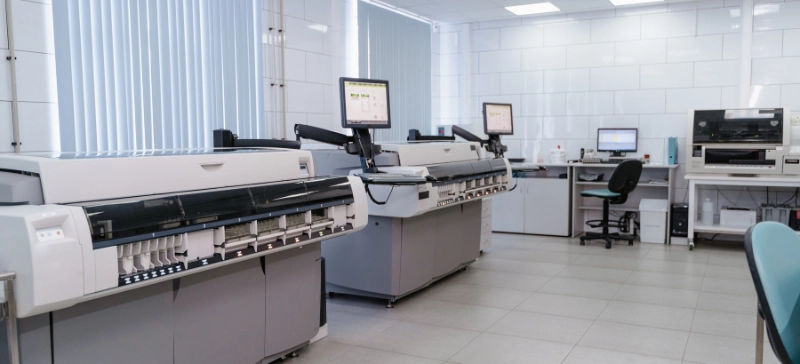
Heating blocks differ from wet heating blocks in both design and functionality. Wet heating blocks use liquids such as water or oil as heating media. Tubes or specimens are immersed in the liquid, which maintains the desired temperature.
Advantages of Dry Heating Blocks:
- Faster heating times (typically 15-30 minutes)
- Lower power consumption
- Easier to clean and disinfect
- Compact and versatile design
Disadvantages of Wet Heating Blocks:
- Longer heating times
- Lower maximum temperature limits
- More challenging to clean and maintain
Related Products from elab
This section introduces three related heating devices from the Aelab brand that are suitable for various scientific research and laboratory applications.
SPH Series Heating Blocks
The SPH Series are designed for precise and controlled heating of samples. These devices are primarily used for pre-heating samples before procedures such as digestion or reaction analysis. In addition, they feature advanced AI and PID temperature control systems, making them ideal for applications in chemical, biological, and environmental studies. As a result, these blocks ensure accurate and consistent temperature control, which is essential for obtaining reliable results.
AE-BH Series Heating Blocks
The AE-BH Series are widely used in laboratories for processes such as heating, digestion, incubation, and concentration of samples. These blocks offer a maximum temperature of 200°C and feature digital temperature control, making them suitable for various chemical and biochemical experiments. Furthermore, the interchangeable blocks allow users to select the appropriate block for different container sizes, thereby providing versatility in laboratory workflows. Consequently, these blocks enhance the efficiency and precision of laboratory processes.
AE-BH101 Heating Block
The AE-BH101 is a versatile heating device designed for precise heating in various laboratory settings. With a temperature range of up to 120°C, this device features a timer, digital display, and over-temperature protection for safe and efficient operation. It is suitable for biological and chemical testing processes that require accurate heating and can be customized with different blocks for specific sample sizes.

Block Heater/Dry Bath AE-BH101
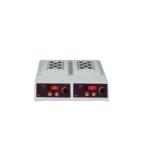
Block Heater/Dry Bath AE-BH Series
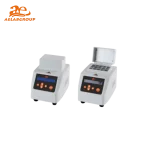
Mini Block Heater/Dry Bath AE-BHmini Series
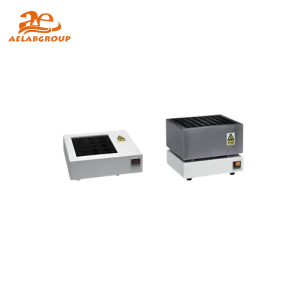
Heating Blocks SPH series SPH-1/SPH-2/SPH-3
Common Questions
Do Block Heaters Use a Lot of Energy?
No, heating blocks are energy-efficient compared to wet heating blocks. They consume less power while maintaining the required temperature, making them a more sustainable laboratory choice.
What Is a Heating Block Used For?
They are used in a variety of laboratory applications, such as sample preparation, enzyme reactions, DNA amplification, and clinical diagnostics. They ensure consistent and accurate temperature control, making them essential for sensitive experiments.
How Long Should a Block Heater Be Plugged In?
These tools typically take 15 to 30 minutes to reach the desired temperature. The time required depends on the specific block and target temperature.
What Blocks Give Off Heat?
These tools, particularly dry heating blocks, give off heat through built-in heating elements. The heat is transferred to the metal block, which then heats the samples placed inside the wells.
Conclusion
Heating blocks play a crucial role in scientific laboratories by providing precise, uniform heating for various applications. They offer several benefits, such as energy efficiency, versatility, and improved safety. Whether used for enzyme reactions, DNA amplification, or clinical diagnostics, heating blocks ensure reliable and accurate results in the lab.