Comprehensive Guide to Water Activity Meters: Importance, Measurement, and Applications
Introduction to Water Activity Meters
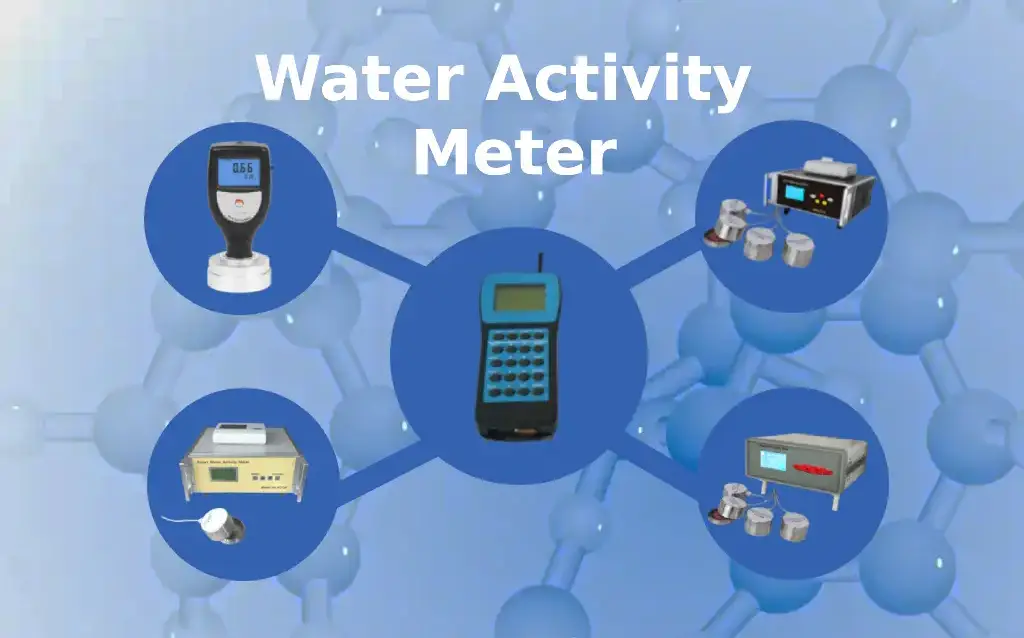
Water activity meters are essential tools for measuring the free, unbound water in products. This measurement plays a crucial role in assessing product stability, microbial growth, and shelf life. Water activity (aw) refers to the ratio of the vapor pressure of water in a sample to the vapor pressure of pure water at the same temperature. Unlike moisture content, which quantifies total water, water activity gauges the availability of water that microorganisms can utilize, making it vital for various industries, especially food, pharmaceuticals, and cosmetics.
Importance of Water Activity Measurement
Water activity measurement helps evaluate several aspects of a product, including:
Microbial Stability
Microorganisms, including bacteria, molds, and yeasts, require free water to grow. By measuring water activity, manufacturers can predict the potential for microbial contamination and spoilage.
Shelf Life Prediction
The water activity level directly correlates with a product’s stability over time. Products with higher water activity are more prone to spoilage and may have a shorter shelf life.
Food Safety
In the food industry, maintaining an appropriate water activity level ensures that products remain safe for consumption. For instance, moisture-rich products like fresh meats are more vulnerable to harmful microbial growth.
Quality Control
Water activity also impacts the texture, taste, and appearance of food and beverages. Maintaining the right water activity level ensures consistent product quality.
How Water Activity Meters Work
Water activity meters work by measuring the relative humidity in a sealed chamber where the sample is placed. The meter compares the vapor pressure of water in the sample to that of pure water. The result is the water activity (aw) value, ranging from 0 to 1, where 1 indicates pure water and 0 represents a completely dry sample. The device uses sensors to capture changes in humidity as the sample equilibrates in the chamber.
Applications of Water Activity Meters
Water activity meters are widely used across various sectors, including:
- Food Industry: To ensure proper storage conditions and extend shelf life by controlling water activity levels in items such as bread, fruits, and meat products. High-water-activity products are more susceptible to microbial growth.
- Pharmaceuticals: To monitor moisture levels in drugs, ensuring their stability and preventing degradation or contamination.
- Cosmetics: To measure the water content in creams, lotions, and other products, maintaining consistency and preventing microbial growth.
Key Factors Affecting Water Activity
Several factors influence the water activity of a product, including:
Ingredients
The composition of a product determines how water interacts with other substances. Ingredients like salt, sugar, and proteins can bind water, reducing its availability to microorganisms.
Storage Conditions
Temperature and humidity during storage can alter water activity, affecting product quality and stability.
Packaging
Packaging materials that limit moisture exposure can help maintain an optimal water activity level, thus improving product shelf life.
Advantages of Using Water Activity Meters
Precision
Water activity meters provide accurate and repeatable measurements, ensuring consistent results.Time Efficiency
These meters offer quick results, making them ideal for high-throughput environments.Ease of Use
Many modern water activity meters come with user-friendly interfaces and automatic calibration, reducing the need for technical expertise.
Challenges in Water Activity Measurement
Handling Volatiles
Products containing volatile substances, such as alcohol, may interfere with accurate water activity measurements, as these substances can alter vapor pressure readings.Real-Time Measurement
Although water activity can be measured at various stages of production, capturing real-time readings on moving production lines remains a challenge due to the equilibrium nature of the measurement.Specialized Samples
Samples with complex matrices, such as foods high in fat or sugar, may require adjustments to standard measurement protocols.
Conclusion
Water activity meters are indispensable tools for industries that rely on controlling product moisture for quality and safety. By accurately measuring water activity, manufacturers can predict shelf life, ensure microbial stability, and maintain consistent product quality. Understanding the factors that influence water activity and using the appropriate measurement tools can significantly enhance product development and quality assurance processes. Whether in food, pharmaceuticals, or cosmetics, water activity meters play a key role in optimizing product safety and performance.