1.A Comprehensive Guide to Fume Hoods: Chemical, Ducted, and Walk-in Systems
Chemical vs. Ducted vs. Walk-in Fume Hoods
Why Choosing the Right Fume Hood Matters
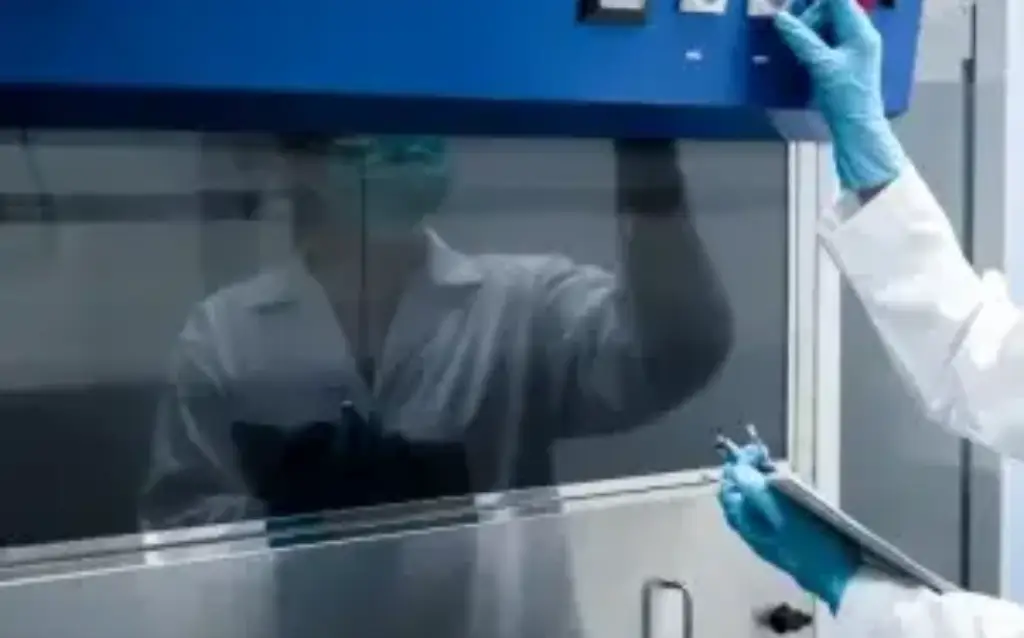
Chemical vs. Ducted vs. Walk-in Fume Hoods play a crucial role in laboratory safety, protecting users from hazardous fumes, vapors, and airborne contaminants. Choosing the right fume hood is essential to ensure compliance with safety regulations, optimize operational efficiency, and reduce long-term costs. Factors such as chemical usage, workspace size, ventilation requirements, and energy consumption significantly influence the decision-making process.
Overview of Chemical, Ducted, and Walk-in Fume Hoods
Fume hoods are categorized based on their functionality and structure:
- Chemical fume hoods offer localized containment for hazardous substances.
- Ducted fume hoods use an exhaust system to remove contaminants from the lab environment.
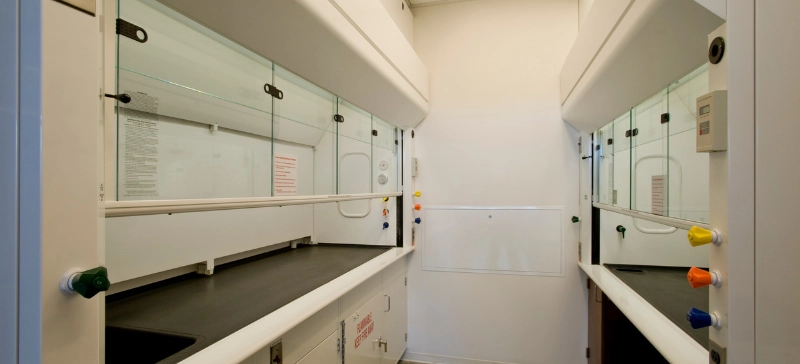
- Walk-in fume hoods provide a large workspace for handling bulky equipment and large-scale chemical processes.
Learn more : Water Activity Meter: Measuring Water’s Role in Product Stability
2. What is a Chemical Fume Hood?
Key Features and Applications
A chemical fume hood is a ventilated enclosure designed to remove toxic gases, vapors, and aerosols. The airflow system effectively contains and expels hazardous substances, preventing laboratory contamination.
Common applications include:
- Handling volatile organic compounds (VOCs)
- Working with corrosive chemicals
- Conducting chemical synthesis and sample preparation
Benefits of Using a Chemical Fume Hood
- User safety: Shields personnel from direct exposure to toxic substances.
- Regulatory compliance: Meets OSHA, ASHRAE 110, and BS EN 14175 safety standards.
- Versatility: Suitable for research labs, universities, and industrial applications.
When to Choose a Chemical Fume Hood
Consider a chemical fume hood if:
- Your workspace requires localized containment of hazardous fumes.
- You handle moderate-risk chemicals that do not require external exhaust.
- Compliance with laboratory safety regulations is mandatory.
3. What is a Ducted Fume Hood?
How Ducted Fume Hoods Work
Ducted fume hoods connect to an external ventilation system, directing hazardous fumes outside. A high-powered blower ensures continuous airflow, efficiently removing contaminants.
Advantages of a Ducted Fume Hood in Laboratories
- Superior containment: Provides high-efficiency ventilation for handling toxic, flammable, or volatile substances.
- No filter replacement required: Unlike ductless systems, ducted hoods do not rely on filters, reducing maintenance costs.
- Best for high-risk applications: Ideal for corrosive acids, heavy metal compounds, and hazardous chemical reactions.
Ducted vs. Ductless Fume Hoods: Key Differences
| Feature | Ducted Fume Hood | Ductless Fume Hood |
|---|---|---|
| Airflow System | Expels contaminated air outside | Uses carbon/HEPA filters to recirculate air |
| Installation | Requires ducting and external exhaust | Plug-and-play setup, no ducting needed |
| Chemical Handling | Suitable for all chemical types | Limited to low-risk chemicals |
| Maintenance | Minimal, no filters to replace | Regular filter replacement required |
| Energy Consumption | High due to HVAC dependency | Lower, as air is recirculated |
4. What is a Walk-in Fume Hood?
Unique Features of Walk-in Fume Hoods
Walk-in fume hoods, also called floor-mounted hoods, provide ample space for handling large equipment and high-volume chemical processes. These hoods include reinforced airflow systems and adjustable ventilation settings.
Best Use Cases for Walk-in Fume Hoods
- Large-scale chemical experiments
- Pilot plant research and industrial applications
- Laboratories requiring oversized equipment
Walk-in vs. Standard Chemical Fume Hoods
- Size: Walk-in hoods accommodate large setups, whereas standard hoods are bench-mounted.
- Ventilation Needs: Walk-in hoods require high airflow management.
- Flexibility: Walk-in hoods allow for diverse experimental setups but require more space and higher installation costs.
5. Side-by-Side Comparison: Chemical vs. Ducted vs. Walk-in Fume Hoods
| Feature | Chemical Fume Hood | Ducted Fume Hood | Walk-in Fume Hood |
| Airflow Control | Moderate | High, with external exhaust | High, large workspace |
| Safety Level | Protects against fumes | Best for toxic and volatile substances | Handles large-scale chemical exposure |
| Space Requirement | Compact | Fixed installation | Requires extensive space |
| Maintenance | Moderate | Low (no filters) | High (large system upkeep) |
| Cost | Affordable | High due to installation | Highest due to size and complexity |
6. Which Fume Hood is Best for Your Laboratory?
Choosing Based on Lab Size and Chemical Handling Needs
- For small labs or educational institutions: A chemical fume hood provides an affordable and flexible solution.
- For research labs handling hazardous chemicals: A ducted fume hood ensures the highest level of safety and containment.
- For industrial-scale experiments: A walk-in fume hood offers the necessary space and ventilation for large projects.
Energy Efficiency and Operational Costs
- Ducted fume hoods consume more energy due to constant ventilation requirements.
- Ductless hoods save energy but require frequent filter replacements.
- Walk-in hoods demand high airflow rates, increasing energy consumption.
Long-Term Benefits and ROI
Investing in the right fume hood reduces operational costs by minimizing maintenance, ensuring regulatory compliance, and optimizing lab efficiency. Selecting a hood based on specific chemical handling needs leads to better safety outcomes and lower risk of exposure incidents.
Related Aelab Products
1. Walk-in Fume Hood
The Walk-in Fume Hood provides a large, ventilated workspace for handling hazardous chemicals safely. It features a high-efficiency ventilation system, durable front sash, and acid/alkali-resistant interior. Operators can enter if needed, and it includes a memory function for power failures.
Key Features:
- Airflow: 1150–1850 m³/h | Velocity: 0.3–0.8 m/s | Noise: 62 dB
- Material: Cold-rolled steel with antibacterial coating
- Remote-controlled water & gas valves, chemical-resistant sink
- Ideal for large-scale chemical handling & industrial labs
2. Ducted Fume Hood (PP Fume Hood)
The Ducted Fume Hood is a polypropylene-based ventilated enclosure designed for superior chemical resistance and durability. It effectively removes hazardous fumes through a built-in centrifugal blower and adjustable airflow system. The acid and alkali-resistant structure, along with a transparent toughened glass sash, ensures a safe and well-lit workspace.
Key Features:
- Airflow: 0.3–0.8 m/s | Noise: ≤68 dB
- Material: 8mm Porcelain White PP, corrosion-resistant
- LED display with microprocessor control system
- Built-in or external centrifugal blower options
- Ideal for research labs, industrial applications, and handling corrosive chemicals
3. Recirculating Cooler (Supporting Equipment)
The Recirculating Cooler is an efficient and space-saving cooling solution designed to support fume hoods and other laboratory applications. It ensures stable temperature control for equipment such as vacuum pumps, rotary evaporators, and heat exchangers, improving operational efficiency. With a compact design, quiet operation, and energy-efficient PID temperature control, it integrates seamlessly into laboratory workflows.
Key Features:
- Compact and easily installable on lab benches and fume hoods
- High-efficiency temperature stabilization with PID control
- Corrosion-resistant stainless steel water bath with level indicator
- Optical and acoustic safety alarms for enhanced protection
- Ideal for supporting chemical processes requiring controlled cooling

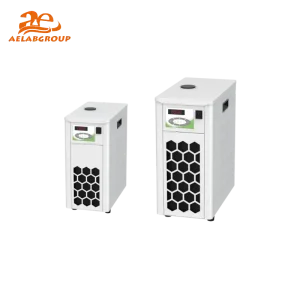
Water Chiller AE-IC2003 Series
7. Conclusion
Chemical vs. Ducted vs. Walk-in Fume Hoods
Final Recommendations
Selecting the appropriate fume hood for a laboratory requires careful consideration of workspace size, chemical handling requirements, and budget constraints. A thorough evaluation of factors such as airflow control, maintenance requirements, and compliance with international safety standards ensures an optimal choice tailored to operational needs. Additionally, taking energy efficiency and long-term operational costs into account plays a crucial role in minimizing overall laboratory expenses.
Key Criteria for Selecting and Procuring a Laboratory Fume Hood
To ensure safe and efficient laboratory operations, it is essential to choose manufacturers and suppliers that adhere to international safety standards (such as OSHA, ASHRAE 110, and BS EN 14175). Furthermore, technical support for installation and commissioning and long-term scheduled maintenance services should be prioritized. Adhering to these principles not only guarantees user safety but also enhances laboratory workflow efficiency and extends the lifespan of the equipment.