


Introduction
Biological safety cabinets (BSCs) play a crucial role in laboratories and industrial environments, ensuring the protection of personnel, products, and the environment from hazardous biological agents. Understanding the different types, functions, and considerations when purchasing a BSC is essential for selecting the right equipment for specific applications.
What is a Biological Safety Cabinet (BSC)?
A biological safety cabinet (BSC) is a ventilated laboratory workspace designed to provide containment of biohazardous materials. It operates by controlling airflow through high-efficiency particulate air (HEPA) filters to prevent contamination and exposure to harmful agents.
Importance of BSCs in Laboratories and Industries
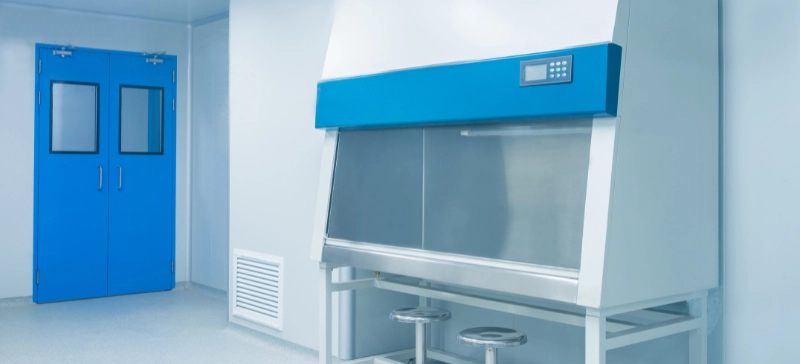
BSCs are essential in biological research, clinical diagnostics, and pharmaceutical manufacturing. They protect laboratory personnel from exposure to infectious agents, prevent cross-contamination of samples, and ensure environmental safety by filtering exhaust air.
Key Considerations When Choosing a BSC
- Safety Requirements: The type of biological material being handled dictates the necessary level of containment.
- Certifications: Compliance with standards such as NSF/ANSI 49 and EN 12469 ensures reliability.
- Airflow and Filtration: Different classes of BSCs offer varying levels of airflow protection.
- Maintenance Needs: Regular filter replacement and certification are critical for optimal performance.
- Space and Energy Efficiency: Choosing a model that fits laboratory constraints and energy consumption goals is important.
Types of Biological Safety Cabinets and Their Applications
ClassI Biological Safety Cabinets: Basic Protection
- Provides personnel and environmental protection.
- Used for procedures involving low-risk biological agents.
- Air is drawn through a HEPA filter before being exhausted.
Class II Biological Safety Cabinets: Advanced Protection
- Protects personnel, products, and the environment.
- HEPA-filtered laminar airflow prevents cross-contamination.
- Types include:
- Type A1 & A2: Recirculates 70% of air and exhausts 30%.
- Type B1: Exhausts 70% of air to the outside.
- Type B2: Exhausts 100% of air, suitable for volatile chemicals.
Class III Biological Safety Cabinets: Maximum Containment
- Designed for work with high-risk pathogens (Biosafety Level 4).
- Gas-tight construction with glove ports.
- Air is HEPA-filtered before entering and exiting the cabinet.
Comparative Analysis of BSC Types
| Feature | Class I | Class II (A1, A2, B1, B2) | Class III |
|---|---|---|---|
| Personnel Protection | Yes | Yes | Yes |
| Product Protection | No | Yes | Yes |
| Environmental Protection | Yes | Yes | Yes |
| Use with Volatile Chemicals | No | Limited (B1, B2) | Yes |
Note: Aelab provides Class I and Class II A2 biological safety cabinets, offering protection for personnel, products, and the environment. Class III cabinets are mentioned for comparison but are not currently available in Aelab’s product lineup.

How Does a Biological Safety Cabinet Work?
Airflow and Filtration Mechanisms
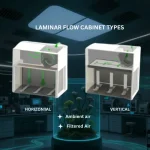
Laminar Flow
Ensures unidirectional airflow, reducing turbulence.
HEPA Filters
Capture airborne contaminants with 99.97% efficiency at 0.3 microns.
Exhaust System
Filters and either recirculates or vents air externally.
Differences Between BSCs and Other Laboratory Enclosures
BSC vs. Laminar Flow Hood:
Laminar flow hoods protect only the product, not personnel.
BSC vs. Fume Hood:
Fume hoods protect against chemical vapors but do not filter biological contaminants.
Essential Factors to Consider When Buying a Biological Safety Cabinet
- Safety Certifications and Compliance: Ensures adherence to regulatory standards.
- Size and Space Requirements: Must fit within laboratory constraints.
- Energy Efficiency and Noise Levels: Influences operational costs and user comfort.
- Maintenance and Filter Replacement Costs: Regular servicing ensures longevity.
- Choosing Between New and Used BSCs: New models offer warranty, while refurbished units provide cost savings.
Where to Buy a Biological Safety Cabinet?
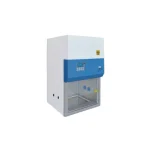
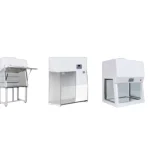
When selecting a biological safety cabinet, it is essential to choose a reliable supplier that offers certified models meeting international standards. Aelab provides a diverse range of Class I and Class II A2 biological safety cabinets, designed to ensure laboratory safety, contamination control, and user convenience.
- Specialized Suppliers: Aelab offers expert consultation and technical support, assisting laboratories in selecting the most suitable BSC model based on their biosafety needs.
- Key Features to Look For: Aelab’s BSCs incorporate advanced airflow control, high-efficiency HEPA filtration, ergonomic designs, and essential safety features such as motorized front windows, real-time monitoring displays, and alarm systems for enhanced protection.
- Additional Sterilization Solutions: To complement biological safety cabinets, Aelab also offers infrared sterilizers, which provide rapid, chemical-free sterilization of lab tools, ensuring a contamination-free workspace.
Pricing and Budget Considerations for Biological Safety Cabinets
- Average Costs: Prices vary based on class, size, and features.
- Factors Affecting Price: Technology, airflow system, and material influence cost.
- Cost Comparison: New units offer warranties, while refurbished models provide affordability.
Conclusion
Biological safety cabinets are critical for laboratory safety and contamination control. Choosing the right BSC depends on the type of work, safety requirements, and budget. Understanding the differences between classes and essential purchasing factors ensures the best investment for laboratory applications.