

Medical Refrigerator: Essential for Safe Medication Storage and Transport
Introduction: Understanding the Importance of Medical Refrigerators
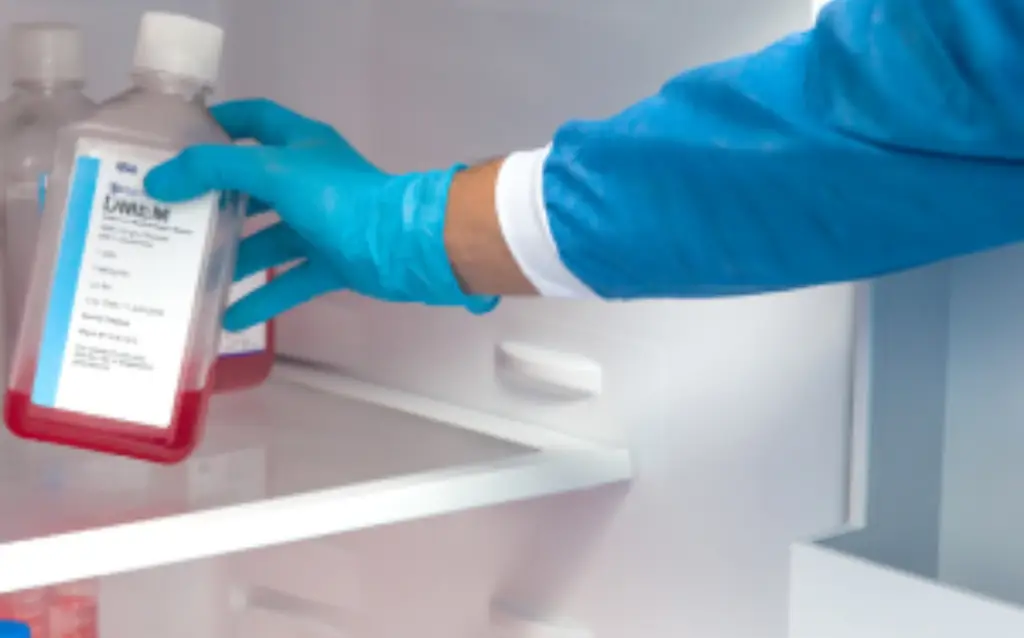
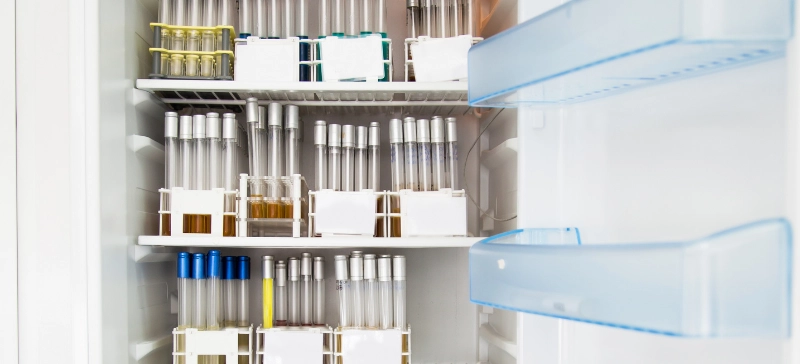
Medical refrigerators are specially designed storage units that maintain the efficacy of medications, vaccines, and biological materials sensitive to temperature fluctuations. Unlike standard refrigerators, medical-grade refrigerators provide precise temperature control, ensuring that sensitive substances are stored within a strict range, preventing spoilage or loss of potency. This article discusses the importance of medical-grade refrigerators, their key features, and best practices for storing and transporting refrigerated medications.
Learn more : Fluorometer : Principles, Types, Applications, and Advances in Fluorescence Measurement
What is a Medical Refrigerator?
A medical refrigerator is a cooling device built for the safe and effective storage of medical products like vaccines, medications, and biological samples that need to be kept within specific temperature ranges. These refrigerators differ significantly from household refrigerators, primarily in their ability to maintain consistent and accurate temperature control to protect the integrity of the stored materials. Medical refrigerators are equipped with advanced features like precise thermostats, alarms, and temperature monitoring systems, making them indispensable in healthcare facilities and pharmacies.
The Role of Medical-Grade Refrigerators in Maintaining the Cold Chain
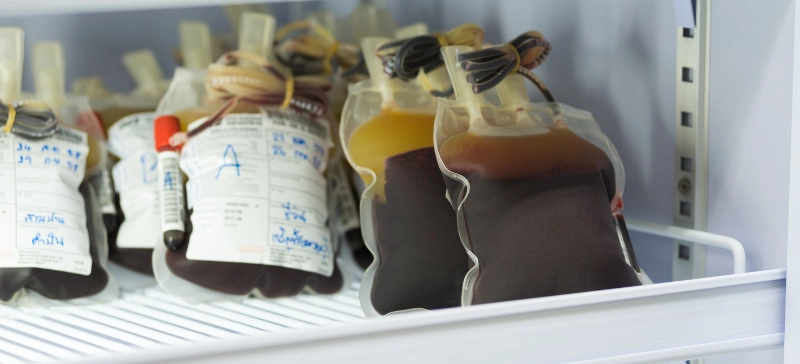
The cold chain refers to the process of keeping sensitive medical products at a specific temperature from manufacturing to administration. Vaccines, medications, and biological samples often require storage temperatures between +2°C and +8°C. Fluctuations in temperature outside this range can compromise the effectiveness of these products. Medical-grade refrigerators are designed to provide stable temperature control to maintain this cold chain, ensuring that the stored materials remain safe and effective for use.
Key Features of Medical Refrigerators
Accurate Temperature Control
Medical refrigerators are equipped with advanced cooling systems that ensure consistent temperature regulation within the required range. These refrigerators are specifically designed to avoid temperature fluctuations, unlike household models that may not maintain a precise and reliable temperature.
State-of-the-Art Temperature Monitoring
To ensure the cold chain is maintained, medical refrigerators are often fitted with highly accurate thermometers. These devices not only monitor the internal temperature of the refrigerator but also track the temperature of the stored products. This enables healthcare professionals to detect any deviations promptly and take corrective action if needed.
Sensitive Alarm Systems
Medical refrigerators come with built-in alarm systems that alert users when the internal temperature moves out of the prescribed range. This feature ensures that healthcare practitioners can respond quickly to prevent spoilage of valuable medications and vaccines. An alarm is essential for maintaining the cold chain and safeguarding the stored medical products.
Security Features
Given the high cost of medications and vaccines, medical refrigerators often come with security measures, such as lockable doors, to prevent unauthorized access. This helps protect the contents from theft and ensures that the refrigerator remains closed, avoiding any potential temperature deviations caused by accidental openings.
Design Options: Glass Door vs. Solid Door
Medical refrigerators are available with either glass doors or solid doors, depending on the specific needs of the healthcare setting:
-
- Glass Door: These allow users to quickly assess the inventory without opening the door, which helps maintain the internal temperature.
- Solid Door: Provides additional security by preventing unauthorized individuals from viewing the contents. It also offers an extra layer of protection for the stored materials.
Learn more : Biological Safety Cabinets: Types, Functions, and Key Considerations for Buyers
Why You Shouldn’t Refrigerate Medications in Household Refrigerators
Storing medications in household refrigerators poses several risks, including temperature fluctuations and a lack of specialized features necessary to maintain the cold chain. Household refrigerators do not offer the precise temperature control necessary for storing vaccines and other medical products. In addition, they may not offer the security and alarm features needed to safeguard valuable medical items. To ensure the efficacy and safety of medications, it is crucial to use medical-grade refrigerators designed specifically for this purpose.
Best Practices for Storing Medications in Medical Refrigerators
-
Keep Medications Organized
Ensuring proper airflow and preventing overcrowding during medication storage helps maintain appropriate temperature distribution.
-
Regular Temperature Checks
Regularly monitor the temperature using the built-in thermometers and ensure the refrigerator is operating correctly.
-
Service and Maintenance
Perform regular maintenance on medical-grade refrigerators to ensure they are functioning properly and to prevent breakdowns that could compromise the safety of stored materials.
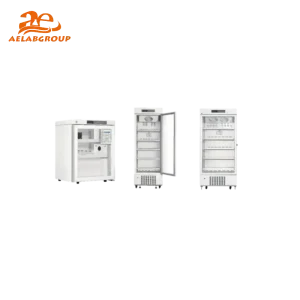


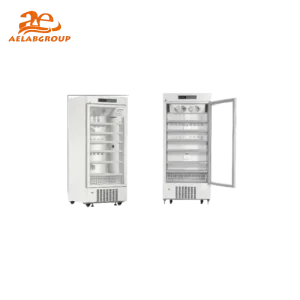
Pharmacy Refrigerator High Performance 2~8°C

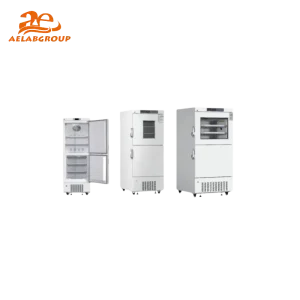
Combined Refrigerator and Freezer-25°C/-40°C
Conclusion: The Importance of Medical-Grade Refrigerators
Medical refrigerators are essential for the safe storage of temperature-sensitive medications, vaccines, and biological products. With their precise temperature control, advanced monitoring systems, and security features, these refrigerators help maintain the efficacy of vital medical supplies. Whether in healthcare settings or during travel, ensuring that medications stay within the required temperature range is crucial to their effectiveness. Using medical-grade refrigerators is not just a precaution; it is a vital practice that ensures the safety and health of patients worldwide.Healthcare professionals who understand the importance of proper storage and transport can take necessary steps to ensure safe storage and transport of medical products, safeguarding both their integrity and the health of those who rely on them.