

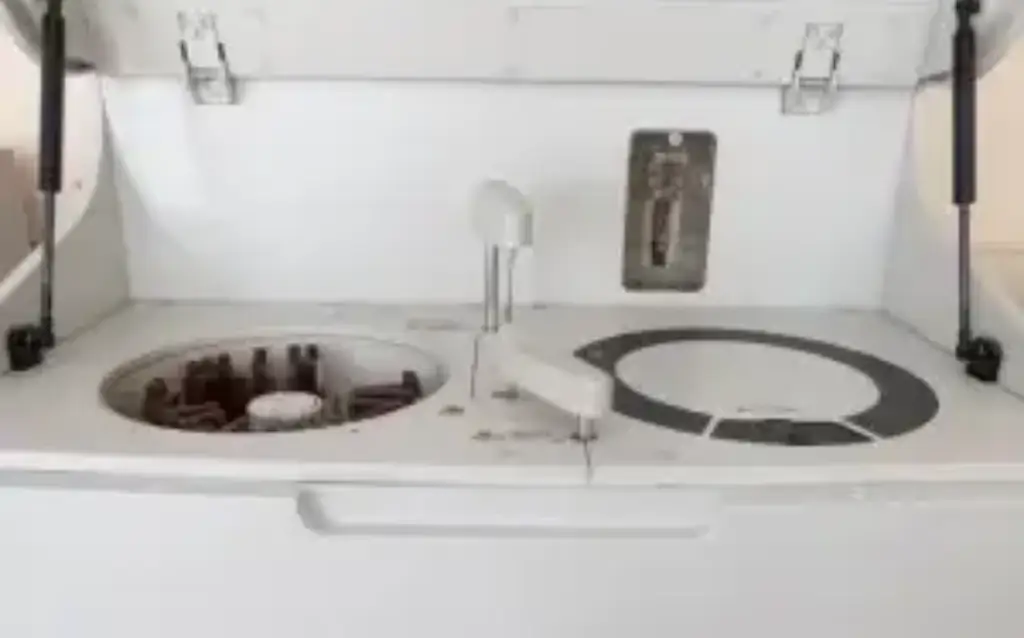
A semi-automatic biochemistry analyzer is a vital tool in modern laboratories, helping to streamline biochemical analysis with a balance between manual and automated processes. These devices are used to measure various biochemical parameters in biological samples such as blood, serum, plasma, and urine. In this article, we will explore the working principle, applications, advantages, and differences between semi-automatic and fully automatic analyzers, as well as insights from search trends and common questions.
What is a Semi-Automatic Biochemistry Analyzer?
A semi-automatic biochemistry analyzer automates some of the processes involved in analyzing biological samples but still requires manual intervention for tasks like sample preparation and reagent addition. These analyzers are designed to measure substances such as glucose, cholesterol, enzymes, and electrolytes in clinical samples, providing quick and accurate results.
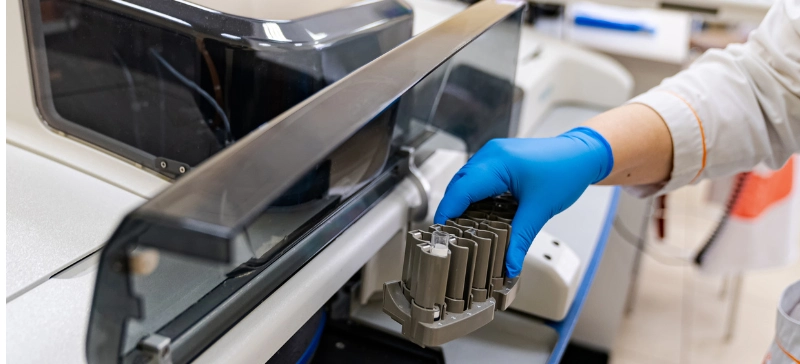
Working Principle
Semi-automatic biochemistry analyzers operate primarily on two measurement techniques: photometry (colorimetry) and electrochemistry. In photometric techniques, the analyzer measures the absorbance or transmittance of light through a sample to determine the concentration of an analyte. For electrochemical methods, the device measures the potential difference in the sample to quantify the substances present.
These analyzers typically include different wavelengths for accurate detection. Common wavelengths include 340 nm, 405 nm, 510 nm, and 546 nm, which are crucial for various biochemical assays.
Key Features and Capabilities
User-Friendliness
These analyzers are designed with user-friendly interfaces, often featuring touchscreens for easy operation. This reduces the need for specialized training and ensures efficient use by laboratory staff with varying expertise.
Accuracy and Speed
Semi-automatic analyzers combine high accuracy with relatively fast results. Unlike manual methods, they automate parts of the process (like mixing and measurement), improving efficiency and reducing the chances of human error.
Cost-Effectiveness
Compared to fully automated analyzers, semi-automatic devices are more affordable, making them ideal for smaller laboratories or clinics with limited budgets.
Compact Design
Semi-automatic biochemistry analyzers are often smaller and more compact than fully automated systems. This allows them to fit into a variety of clinical and research settings, even in spaces where larger machines may not be feasible.
Versatility
These analyzers can perform a wide range of tests, including liver function, kidney function, lipids, glucose levels, and more. The versatility makes them suitable for routine clinical diagnostics, research, and education.
Built-in Quality Control
Many models are equipped with internal quality control systems, ensuring that results are accurate and reliable by regularly testing and calibrating internal systems.
Applications of Semi-Automatic Biochemistry Analyzers
Clinical Diagnostics
These analyzers are widely used in hospitals and clinics to test blood samples, urine, and other body fluids. They assist in diagnosing various conditions, including liver and kidney diseases, diabetes, and cardiovascular disorders.
Routine Health Checks:
In primary healthcare settings, semi-automatic analyzers help clinicians quickly assess patients’ overall health. For example, blood glucose levels, lipid profiles, and liver enzymes can be measured efficiently.
Research
Semi-automatic biochemistry analyzers are also used in research laboratories to study biochemical reactions and monitor the efficacy of new drugs or therapies. The fast and reliable results support ongoing research into disease mechanisms and treatment options.
Point-of-Care Testing
In situations where immediate results are required, such as emergency medicine or remote locations, semi-automatic analyzers provide quick analysis, improving patient care.
Veterinary Clinics
In veterinary medicine, these devices are used for analyzing animal blood and urine samples to diagnose various diseases and conditions.
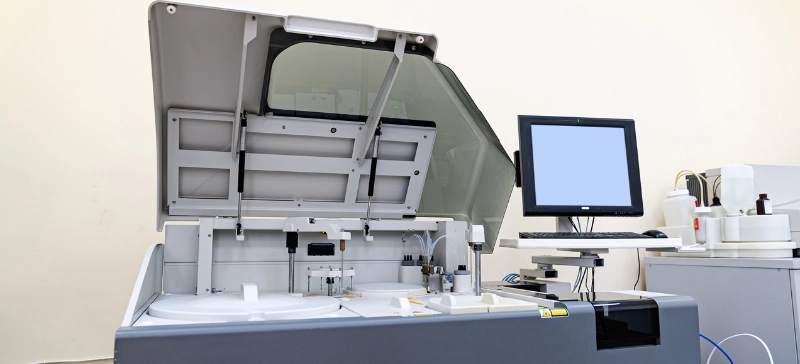
Comparison: Semi-Automatic vs. Fully Automatic Analyzers
1. Sample Handling
- Semi-automatic analyzers require manual sample loading, while fully automated devices can automatically load samples for analysis.
2. Throughput
- Fully automated systems can process a larger number of samples in a shorter time, handling hundreds of samples simultaneously, while semi-automatic analyzers typically process fewer samples at once (around 40).
3. Speed
- Fully automated systems tend to be faster, delivering results in just a few seconds per sample. Semi-automatic analyzers take a bit longer due to the manual steps involved, typically 5-6 minutes per sample.
4. Precision and Accuracy
- Fully automated analyzers generally offer higher accuracy due to fewer manual interventions, reducing the potential for human error. However, with proper handling, semi-automatic analyzers can still produce highly accurate results.
5. Maintenance
- Semi-automatic analyzers often require manual cleaning and maintenance, while fully automated systems have self-cleaning mechanisms to reduce the maintenance burden.
6. Cost
- Semi-automatic analyzers are more affordable compared to fully automated ones, making them a suitable option for smaller labs or institutions with budget constraints.
Common Questions About Semi-Automatic Biochemistry Analyzers
What is a semi-auto biochemistry analyzer?
A semi-auto biochemistry analyzer is a laboratory device that performs quantitative analysis of biochemical substances in clinical samples. It automates processes like mixing and measurement but requires manual intervention for tasks such as sample loading and reagent addition.What tests can be performed with a semi-automatic biochemistry analyzer?
These analyzers can perform tests such as liver function (ALT, AST, ALP), kidney function (BUN, creatinine), lipid profiles (cholesterol, triglycerides), glucose levels, and other biochemical markers like enzymes and electrolytes.How accurate are semi-automatic biochemistry analyzers?
Semi-automatic analyzers offer high accuracy and speed. They provide reliable results when used correctly, but human error can occur due to manual steps in the process.What is the working principle of a semi-auto biochemistry analyzer?
These analyzers usually work using photometric techniques to measure light absorbance in samples. They determine the concentration of substances by measuring the changes in light as it passes through the sample.What are the main advantages of using semi-automatic analyzers?
The key advantages include cost-effectiveness, user-friendly operation, and compact design. They are versatile, performing a wide range of tests, making them ideal for clinical diagnostics, research, and emergency settings.Can a semi-automatic analyzer be used in emergency settings?
Yes, semi-automatic analyzers deliver fast results, which help healthcare providers make quick decisions in critical situations, making them suitable for use in emergency medicine.What is the cost of a semi-auto biochemistry analyzer?
The cost of a semi-auto biochemistry analyzer is generally lower than fully automated analyzers. They offer a cost-effective solution for small to medium-sized laboratories.
Introduction and Benefits of the AELAB Semi-Automatic Biochemistry Analyzer
The AELAB semi-automatic biochemistry analyzer is an advanced laboratory device designed for the quantitative analysis of biochemical substances in clinical samples. It combines both automated and manual operations, offering high flexibility for a variety of tests. With a user-friendly interface, the analyzer can perform various assays and uses advanced optical and detection technologies to ensure accurate results. Its compact design allows it to fit easily into different laboratory environments, optimizing workflow. Features like temperature control, data storage, and multi-language support make it ideal for use in hospitals, clinics, and research facilities. The AELAB analyzer, with its blend of automated and manual functions, reduces the need for human intervention while delivering fast and reliable results, making it a perfect choice for clinical and research settings that require high accuracy and efficiency.

Conclusion
Semi-automatic biochemistry analyzers offer an excellent balance between automation and manual processes, making them suitable for a variety of clinical and research settings. They are cost-effective, versatile, and easy to use, providing reliable results with minimal human error. Whether for routine health checks, emergency medicine, or research, these analyzers play a critical role in modern diagnostics. Their flexibility and affordability make them particularly appealing for smaller laboratories, point-of-care settings, and growing markets in developing countries.