




How to Select the Best Elemental Analyzer for Your Requirements
Learn how to select the best elemental analyzer based on key factors like sensitivity, accuracy, and sample type. Explore techniques such as...
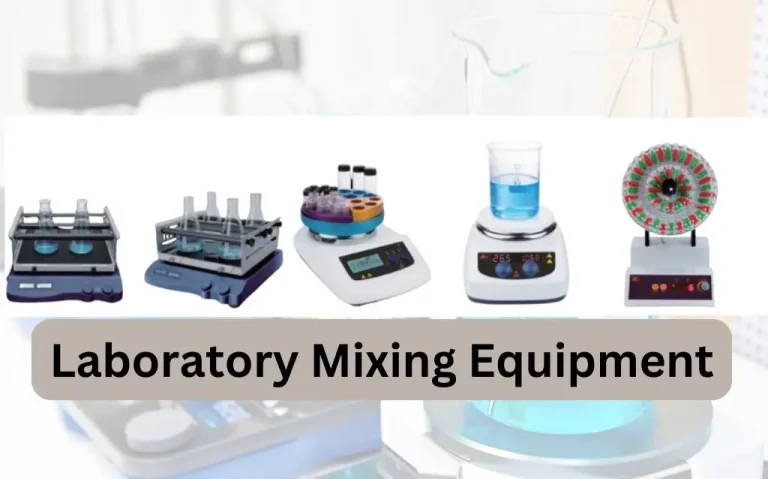
Laboratory Mixing Equipment: Types, Applications, and Selection Guide
Laboratory mixing equipment plays a critical role in research and industrial processes, ensuring precise mixing of liquids, powders, and high-viscosity materials. This...
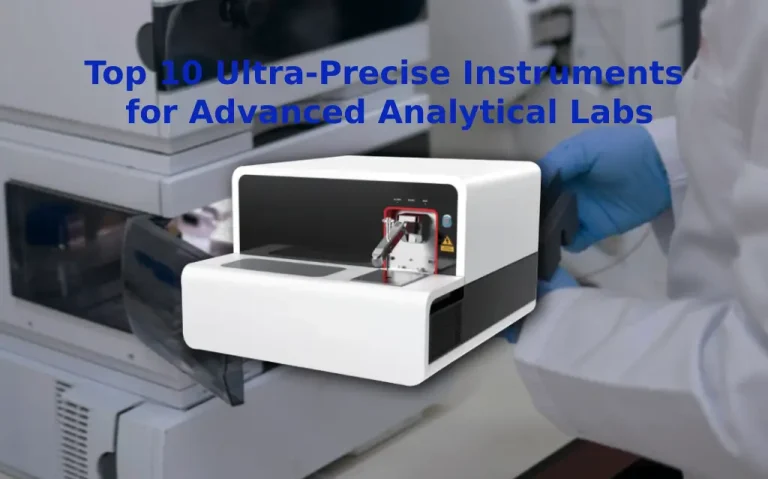
Top 10 Ultra-Precise Instruments for Advanced Analytical Labs
This article introduces the top 10 ultra-precise instruments for advanced analytical labs. It highlights tools for accurate chemical and physical analysis. These...
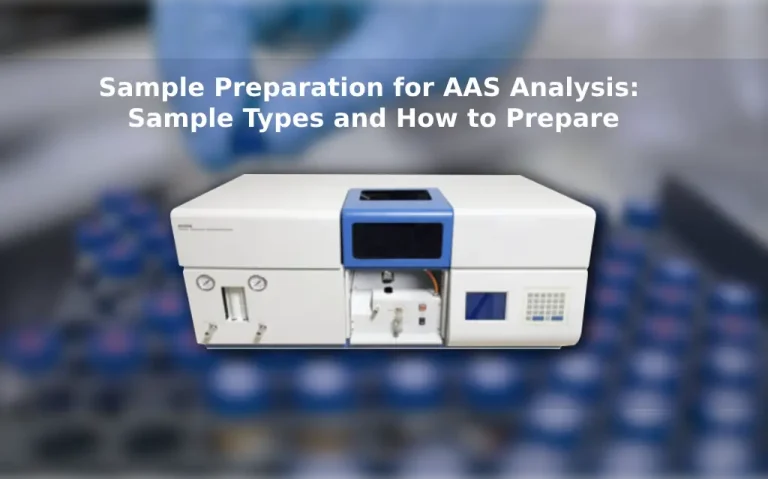
Sample Preparation for AAS Analysis: Sample Types and How to Prepare
This article explores essential sample preparation techniques for Atomic Absorption Spectroscopy (AAS), including methods for solid, liquid, and gaseous samples. It highlights...
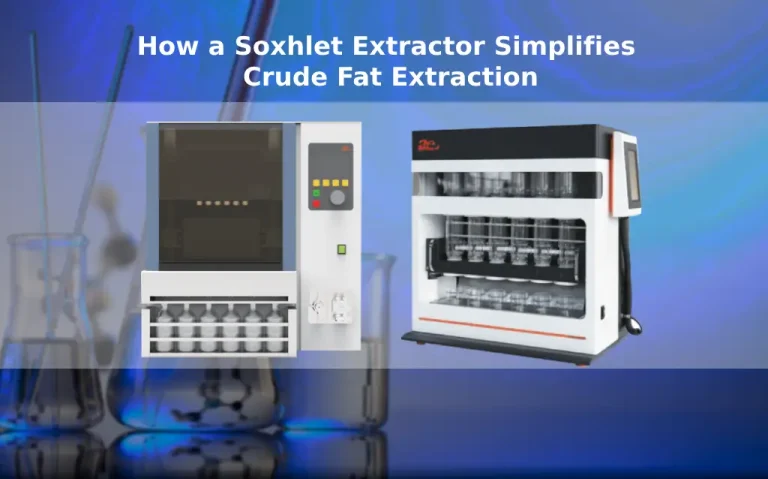
How a Soxhlet Extractor Simplifies Crude Fat Extraction
Soxhlet extraction is a robust and reliable method for crude fat analysis in food, pharmaceutical, and environmental industries. Its continuous solvent recycling...
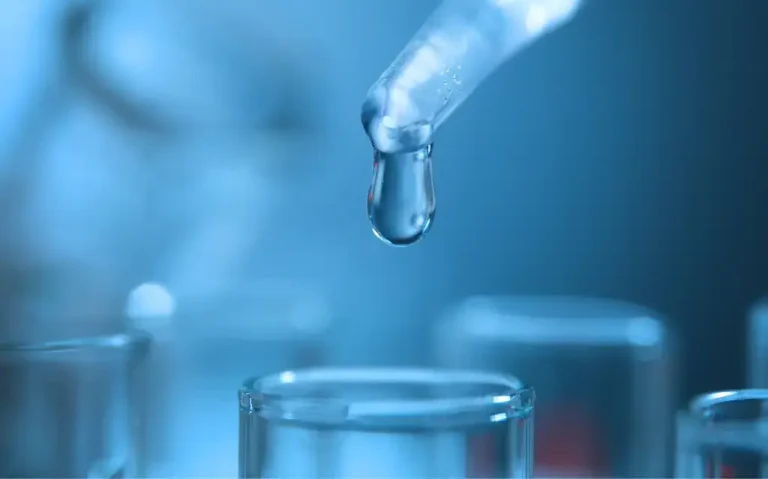
Overcoming the Challenges of High-Salt Sample Analysis in ICP-MS
This article examines the challenges and solutions for analyzing high-salt matrices in ICP-MS. It addresses issues such as spectral interferences, matrix effects,...
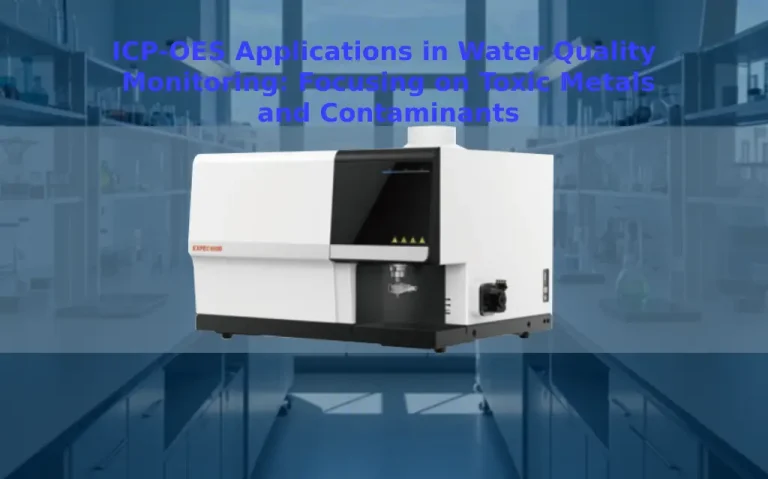
ICP-OES Applications in Water Quality Monitoring: Focusing on Toxic Metals and Contaminants
ICP-OES is an essential tool for detecting toxic metals in water, ensuring environmental compliance and public health safety. It offers high sensitivity,...
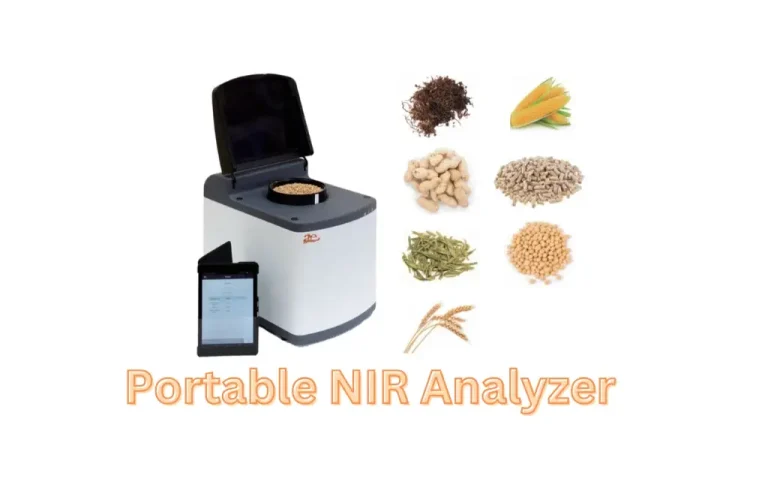
Application of Portable NIR Analyzer 1330 in Quality Control of Ethanol Production from Grains
This article explores the application of portable NIR analyzers in ethanol production from grains. It highlights their role in real-time quality control,...
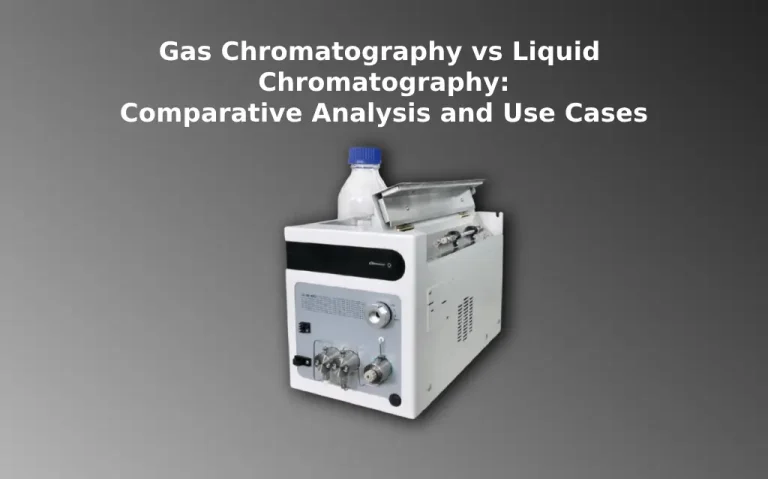
Gas Chromatography vs Liquid Chromatography: Comparative Analysis and Use Cases
This paper compares Gas Chromatography (GC) and High-Performance Liquid Chromatography (HPLC), highlighting their key differences, advantages, and limitations. GC uses gas as...
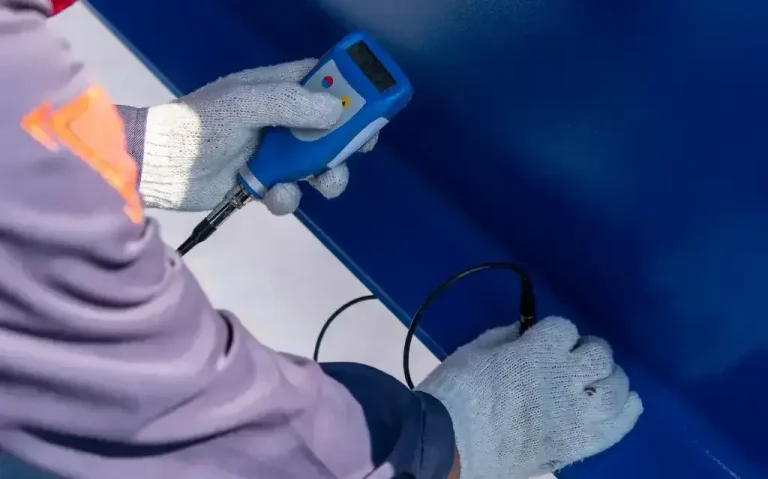
Surface Profile Gauges: Optimizing Industrial Surface Quality
Surface profile gauges are essential tools in industrial quality control and surface preparation. These devices operate by analyzing surface peaks and valleys,...

Digital Coating Thickness Gauges: Applications and Benefits Across Industries
Digital coating thickness gauges are essential tools for measuring dry film thickness (DFT) in industries like automotive, construction, and manufacturing. Utilizing advanced...
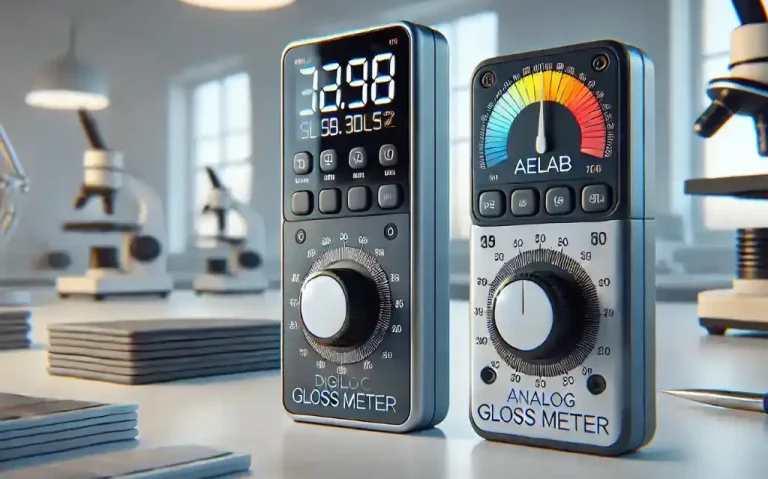
Gloss Meters: Digital or Analog? Which One Offers Better
Choosing between digital and analog gloss meters depends on your needs for precision and surface type. Digital gloss meters provide accurate, repeatable...