

Introduction
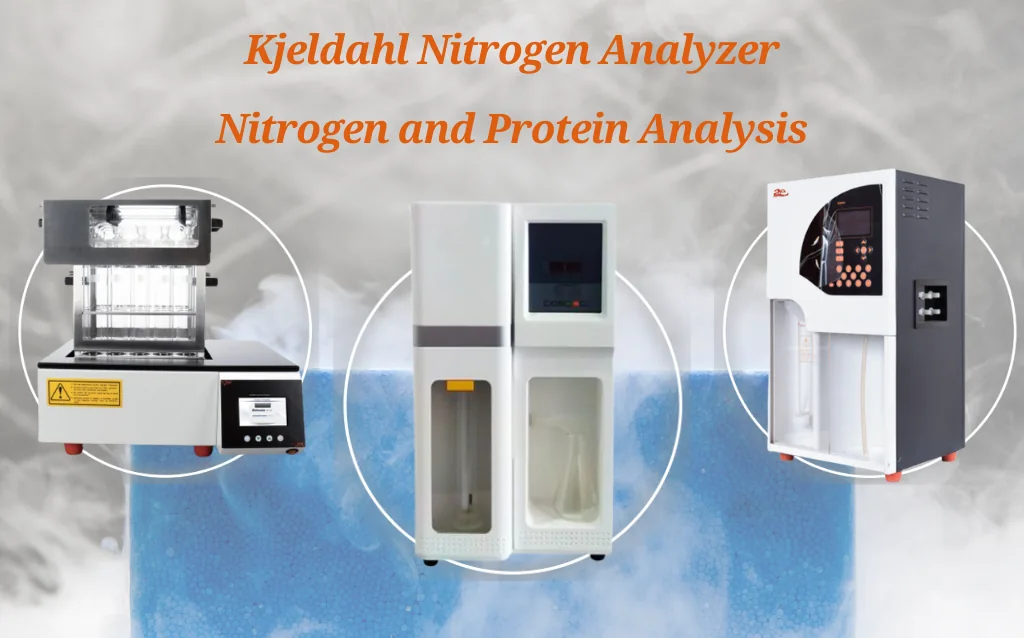
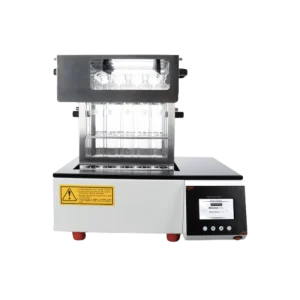
The Kjeldahl Nitrogen Analyzer serves as a crucial tool for precise nitrogen and protein testing across various industries. By automating the classic Kjeldahl method, it accelerates the analysis while improving accuracy, precision, and safety. Industries such as food, agriculture, pharmaceuticals, and environmental monitoring rely on this analyzer. Moreover, it reduces human errors and simplifies laboratory workflows. In this article, we explore its applications, benefits, and recent technological innovations.
The Historical Background of the Kjeldahl Method
Danish chemist Johan Kjeldahl developed the Kjeldahl Method in 1883. It quickly became the standard for measuring nitrogen in organic compounds. Initially, researchers applied it in agriculture. Soon after, food, pharmaceuticals, and environmental industries adopted it. Even after more than 140 years, laboratories continue to rely on the method for nitrogen and protein analysis worldwide.
Principles of the Kjeldahl Method
The Kjeldahl method converts nitrogen into ammonia and quantifies it through distillation and titration. The process follows four key steps:
Digestion – Mix the sample with concentrated sulfuric acid (H₂SO₄) and a catalyst. This converts nitrogen into ammonium sulfate.
Distillation – Add a strong base, usually sodium hydroxide (NaOH), to release ammonia.
Absorption – Capture ammonia gas in a boric acid solution to form ammonium borate.
Titration – Titrate the absorbed ammonia with a standard acid, commonly HCl, to measure nitrogen content.
Finally, multiply the nitrogen content by a conversion factor (6.25 or 6.38) to estimate protein levels.
Why Use the Kjeldahl Nitrogen Analyzer?
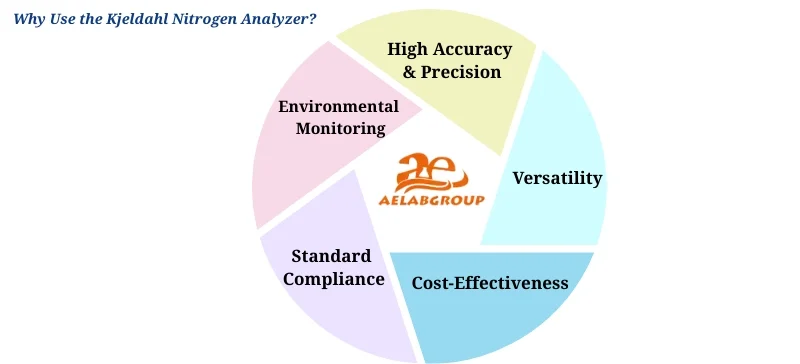
The Kjeldahl Nitrogen Analyzer automates nitrogen testing, offering several advantages:
High Accuracy and Precision – The analyzer provides reliable nitrogen readings, which help maintain food quality, comply with regulations, and monitor the environment.
Versatility – It handles solids, liquids, and semi-solids, adapting to many applications.
Standard Compliance – Aligns with AOAC, ISO, and CEN guidelines.
Cost-Effectiveness – Automation saves time and reduces labor costs in the long run.
Environmental Monitoring – Measures nitrogen in soil and water, assisting in pollution control and sustainable farming.
How the Kjeldahl Nitrogen Analyzer Works
Modern analyzers simplify the traditional method:
Sample Preparation – Weigh and prepare the sample accurately.
Digestion – Heat the sample with sulfuric acid to convert nitrogen into ammonium ions.
Distillation – Add a base to release ammonia gas and collect it in a solution.
Titration – Titrate the ammonia with a standard acid for accurate results.
Calculation – Determine nitrogen content as a percentage or concentration.
Automation reduces errors, ensures consistency, and shortens analysis time. Furthermore, it allows technicians to focus on other tasks while the analyzer runs.
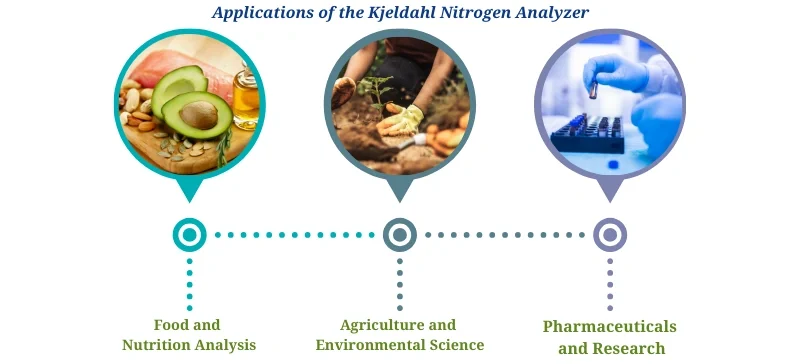
Applications of the Kjeldahl Nitrogen Analyzer
Food and Nutrition Analysis
Protein Content – Ensure accurate nutritional labeling for dairy, meat, cereals, and feed.
Raw Material Quality – Monitor nitrogen and protein levels during food production.
Agriculture and Environmental Science
Soil and Fertilizer Analysis – Optimize fertilizer use and support sustainable agriculture.
Water Quality Monitoring – Track nitrogen pollution in water bodies and assist wastewater treatment.
Pharmaceuticals and Research
Drug Formulations – Quantify nitrogen in medicines.
Tobacco and Feed Analysis – Analyze nitrogen content for research and quality assurance.
Innovations in Modern Kjeldahl Equipment
Modern analyzers introduce several improvements:
Automation – Fully automate digestion, distillation, and titration.
Faster Turnaround – Reduce analysis time by up to 40%.
Enhanced Safety – Sensors, self-cleaning systems, and anti-splash materials protect users.
Higher Precision – Advanced titration detects increments as small as 1 µL.
Touchscreen Interface and Monitoring – Provide real-time control and feedback, improving workflow efficiency.
Limitations of the Kjeldahl Method
Despite its advantages, the method has some constraints:
Certain Nitrogen Forms – Cannot detect azo, nitro, or some ring-structured nitrogen.
Protein Overestimation – Includes non-protein nitrogen like urea and free amino acids.
Chemical Waste – Mercury catalysts produce hazardous waste that requires careful disposal.
Conclusion
The Kjeldahl method remains essential for nitrogen and protein analysis. Automated Kjeldahl Nitrogen Analyzers deliver faster, safer, and more accurate results. Laboratories benefit from increased efficiency across food, agriculture, pharmaceuticals, and environmental monitoring. As technology advances, these analyzers continue to enhance laboratory productivity and precision. In short, the Kjeldahl Nitrogen Analyzer turns a classic method into a high-speed, reliable, and modern solution for nitrogen testing.
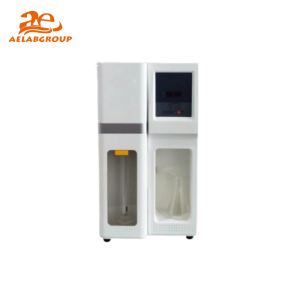
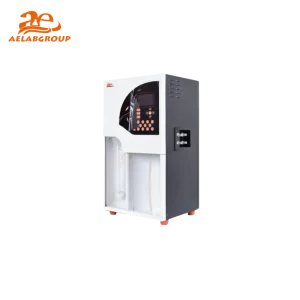
As technology advances, the AELAB Kjeldahl Nitrogen Analyzer continues to provide reliable and efficient nitrogen analysis for environmental, food, and pharmaceutical applications.