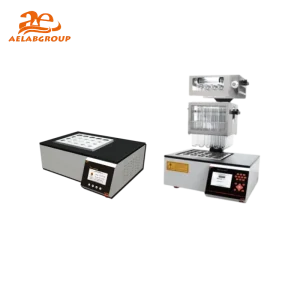
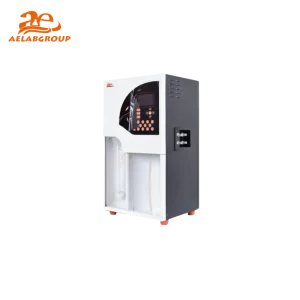
Kjeldahl Nitrogen Analyzer
Introduction
The Kjeldahl Nitrogen Analyzer is an automated laboratory instrument used to determine nitrogen content in organic and inorganic substances. This method is critical for industries like agriculture, food science, pharmaceuticals, and environmental analysis to ensure accurate protein and nitrogen content measurement.
What Is a Kjeldahl Nitrogen Analyzer?
The Kjeldahl Nitrogen Analyzer automates the traditional Kjeldahl method, which includes digestion, distillation, and titration to measure nitrogen content. This system enhances precision and compliance with international standards, streamlining nitrogen analysis across various applications.
Devices in This Category
- Automated Kjeldahl Nitrogen Analyzer
- Digestion Block Systems
- Distillation Units
- Titration Systems
- Integrated Kjeldahl Analyzers
Technical Features and Specifications
| Feature |
Details |
| Automation |
Fully automated digestion, distillation, and titration |
| Time per Sample |
30–90 minutes |
| Reagents |
Sulfuric acid, NaOH, boric acid |
| Detection Method |
Titration (colorimetric) |
| Sample Types |
Organic and inorganic substances |
| Data Logging |
Integrated software for data traceability |
Benefits
- Automates the Kjeldahl method, reducing labor and errors
- Ensures high accuracy and reproducibility
- Conforms to AOAC, ISO, and EPA standards
- Suitable for both solid and liquid samples
- Reduces chemical handling risks
Applications and Tests
🔬 Molecular Biology
- Protein content determination in biological samples
- Nitrogen content in DNA and RNA extractions
🧪 Clinical Diagnostics
- Analysis of organic nitrogen in pharmaceutical formulations
- Quantification of nitrogen in medical compounds
🏭 Industrial & Food Testing
- Protein content analysis in food products like milk, meat, and grains
- Fertilizer nitrogen content testing
🌱 Environmental & Agricultural Labs
- Soil nitrogen content analysis for agriculture
- Wastewater nitrogen levels in environmental testing
Kjeldahl Method vs Dumas Method
| Feature |
Kjeldahl Method |
Dumas Method |
| Principle |
Wet digestion & titration |
Combustion & gas analysis |
| Time per Sample |
30–90 minutes |
3–5 minutes |
| Reagents |
Sulfuric acid, NaOH, boric acid |
Oxygen, high-temperature furnace |
| Detection |
Titration (colorimetric) |
Thermal conductivity detector |
| Sample Type Flexibility |
High |
Moderate |
| Cost per Analysis |
Lower |
Higher |
Expert Tips for Better Results
- Use high-quality reagents and certified reference materials for calibration.
- Preheat digestion block before inserting samples to ensure uniform heating.
- Regularly maintain distillation tubes and titration burettes to avoid contamination.
- Optimize digestion time and temperature based on sample matrix.
- Ensure fume hood ventilation when working with sulfuric acid and catalysts.
Choosing the Right Kjeldahl Nitrogen Analyzer
- Consider throughput requirements (number of samples per day).
- Choose based on sample type (liquid, solid, organic, inorganic).
- Ensure integration with LIMS (data traceability).
- Look for safety features such as fume management and automation.
- Check software compatibility and user interface ease.
Maintenance Best Practices
- Regularly clean digestion flasks and distillation tubes.
- Inspect and replace any worn parts in the titration system.
- Ensure proper calibration of the automated titration system.
- Check seals and connections for leaks or corrosion.
- Perform routine software updates to maintain functionality.
FAQ
Q: What is the Kjeldahl method used for?
A: The Kjeldahl method is used for determining nitrogen content in organic and inorganic compounds, typically for protein content analysis.
Q: Can Kjeldahl Nitrogen Analyzers handle both solid and liquid samples?
A: Yes, they can process both solid and liquid samples, making them versatile for various applications.
Q: How long does it take to perform a nitrogen analysis with a Kjeldahl Nitrogen Analyzer?
A: The process typically takes between 30 and 90 minutes per sample, depending on the sample type and the analyzer’s capabilities.