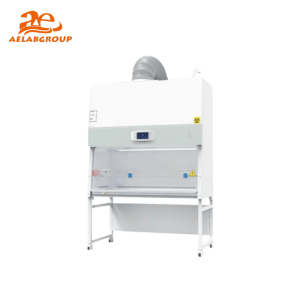
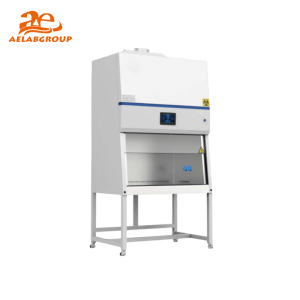
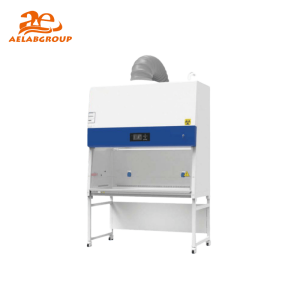
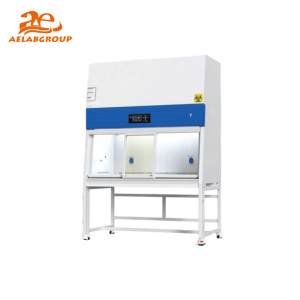
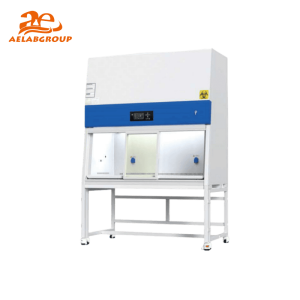
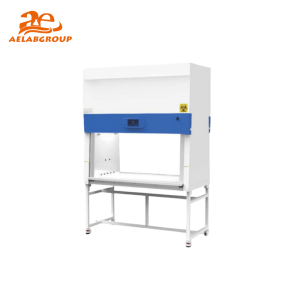
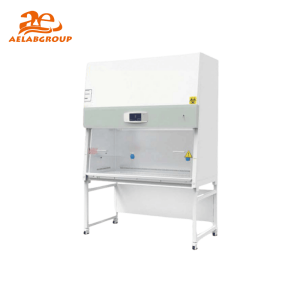
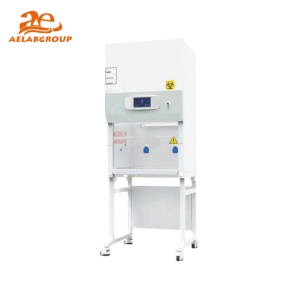
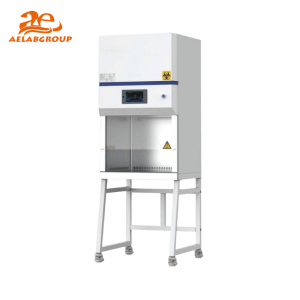
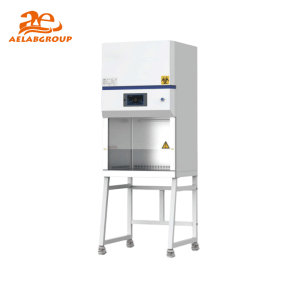
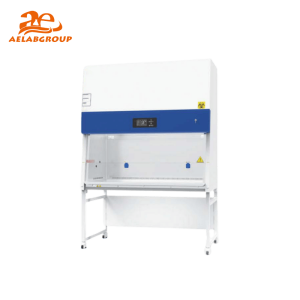
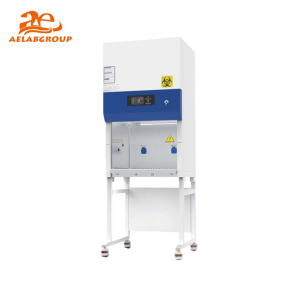
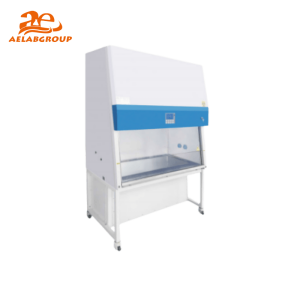
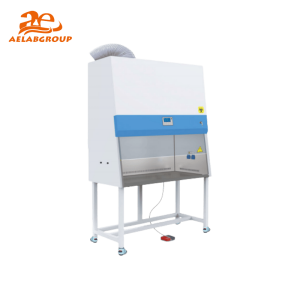
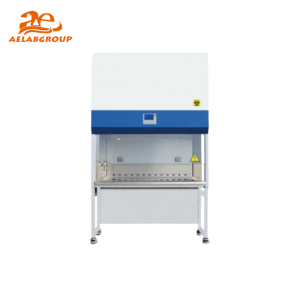
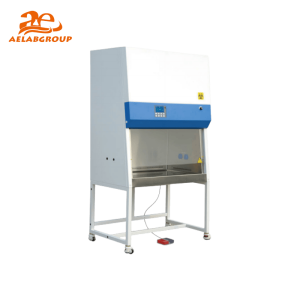
Biosafety Cabinet
Introduction
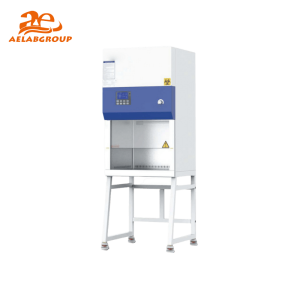
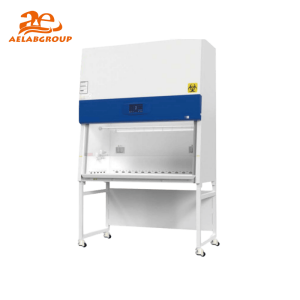
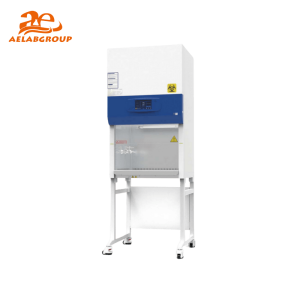
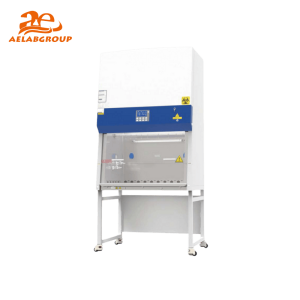
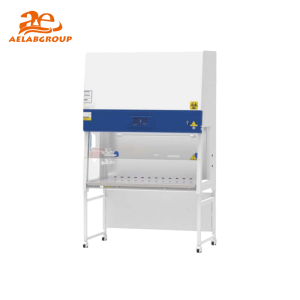
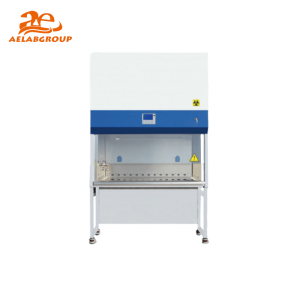
A Biosafety Cabinet (BSC) is a critical laboratory safety device that protects personnel, products, and the environment from exposure to infectious or hazardous biological materials. Through HEPA-filtered airflow and containment engineering, it ensures contamination control across research, clinical, and pharmaceutical applications.
What Is a Biosafety Cabinet?
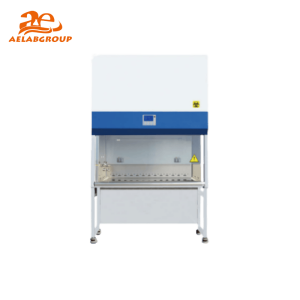
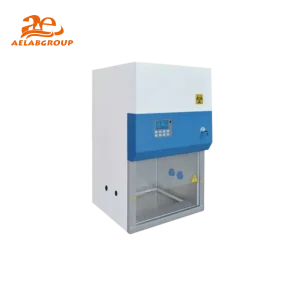
A biosafety cabinet (BSC) is a ventilated workspace designed to provide three levels of protection: personnel, product, and environment. Unlike chemical fume hoods that protect only the user, a BSC utilizes HEPA filtration and controlled airflow to contain and remove airborne contaminants, making it essential for microbiological and biomedical laboratories.
Devices in This Category
- Class I Biosafety Cabinet – Personnel and environmental protection
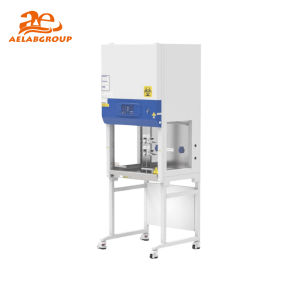
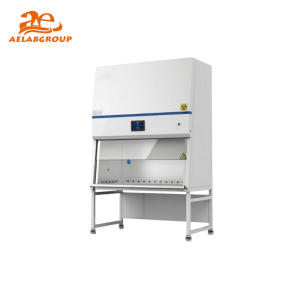
- Class II Type A1/A2 Cabinets – Personnel, product, and environmental protection
- Class II Type B1/B2 Cabinets – Hard-ducted systems for hazardous materials
- Class III Biosafety Cabinet – Fully enclosed glove box for maximum containment
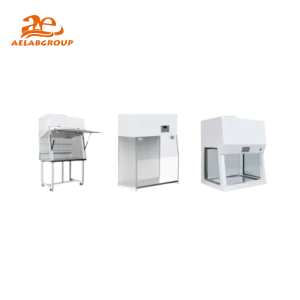
- Vertical Laminar Flow Biosafety Workstations
- Ducted and Recirculating BSC configurations
Technical Features and Specifications
| Feature |
Details |
| HEPA Filter Efficiency |
99.97% at ≥0.3 µm particle size |
| Airflow Type |
Vertical laminar downflow with inward face velocity |
| Noise Level |
≤ 65 dB (operator comfort range) |
| Lighting |
Fluorescent and optional UV light for sterilization |
| Construction |
Powder-coated steel or stainless steel with sealed seams |
| Certifications |
NSF/ANSI 49, EN 12469, ISO 14644-1 |
| Safety Controls |
Microprocessor airflow monitoring and alarms |
Benefits
- Protects laboratory personnel from bioaerosols and infectious materials
- Maintains aseptic conditions to prevent sample cross-contamination
- Ensures environmental containment of hazardous agents
- Supports compliance with biosafety and laboratory accreditation standards
- Enhances operator comfort through ergonomic design and low noise levels
Applications and Tests
🔬 Molecular Biology
- DNA/RNA extraction and sample preparation
- Cell culture and aseptic manipulations
- Handling of recombinant microorganisms
🧪 Clinical Diagnostics
- Processing infectious clinical specimens
- Sample preparation for microbiological analysis
- Sterile pharmaceutical compounding
🏭 Industrial & Food Testing
- Microbial quality control of food and beverages
- Biotechnology and fermentation sampling
- Pharmaceutical product sterility testing
🌱 Environmental & Agricultural Labs
- Handling environmental or agricultural pathogens
- Analysis of waterborne and soilborne bacteria
- Bioaerosol research and containment testing
Biosafety Cabinet vs. Laminar Flow Hood
| Aspect |
Biosafety Cabinet |
Laminar Flow Hood |
| Personnel Protection |
Yes |
No |
| Product Protection |
Yes |
Yes |
| Environmental Safety |
Yes |
No |
| Best For |
Infectious or hazardous biological agents |
Sterile manufacturing and cleanroom use |
Expert Tips for Choosing the Right Biosafety Cabinet
- Determine your laboratory’s biosafety level (BSL-1 to BSL-4).
- Select the correct class (I, II, or III) based on agents handled.
- Confirm airflow configuration—recirculated or exhaust-ducted.
- Ensure compliance with NSF/ANSI 49 or EN 12469 standards.
- Choose certified manufacturers offering validation and after-sales service.
Maintenance Best Practices
- Conduct annual performance certification by a trained professional.
- Inspect and replace HEPA filters as per usage or pressure drop indicators.
- Clean interior surfaces with 70% ethanol or disinfectant before and after use.
- Do not block air grilles or alter airflow patterns with large items.
- Keep UV lights off during operation and replace annually if installed.
FAQ
Q: How does a biosafety cabinet differ from a fume hood?
A: A biosafety cabinet protects the user, sample, and environment using HEPA-filtered airflow, while a fume hood only removes chemical vapors to protect the user.
Q: How often should a biosafety cabinet be certified?
A: BSCs should be certified at least annually, or whenever relocated or serviced, to comply with NSF/ANSI 49 standards.
Q: Can I use UV light as the only disinfection method?
A: No, UV light should complement manual cleaning with disinfectants—it cannot replace surface decontamination.
Q: Which class of biosafety cabinet is best for my lab?
A: Class II cabinets are most common for moderate-risk pathogens; Class III is required for high-containment BSL-4 environments.