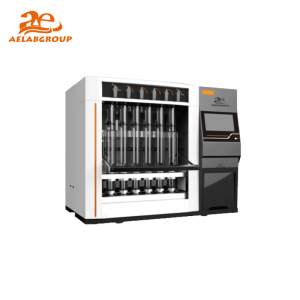
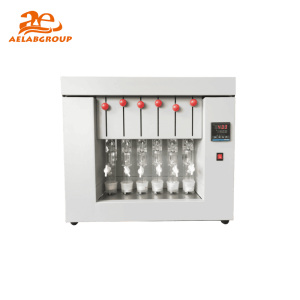
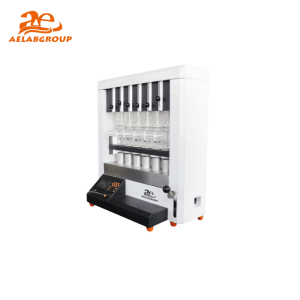
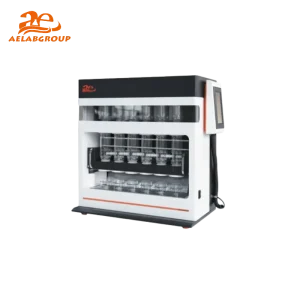
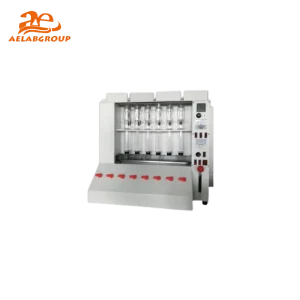
Fat and Fiber Analyzers
Introduction
Fat and Fiber Analyzers are essential tools for accurate nutritional testing in food, feed, and agricultural industries. They provide precise, reliable, and rapid results, making them vital for quality control, product development, and regulatory compliance.
What Are Fat and Fiber Analyzers?
Fat and Fiber Analyzers are specialized instruments used to measure fat and dietary fiber content in various food and feed samples. These analyzers are essential for food production, nutritional research, agricultural testing, and regulatory quality control.
Devices in This Category
- Fat Analyzers
- Fiber Analyzers
- Automated Fiber Extraction Systems
- Acid Detergent Fiber (ADF) Analyzers
- Neutral Detergent Fiber (NDF) Measurement Systems
Technical Features and Specifications
| Feature |
Details |
| Automation |
Fully or semi-automated systems |
| Sample Type |
Solid, semi-solid, and liquid samples |
| Solvent Usage |
Low (recyclable solvent systems) |
| Time per Sample |
30–60 minutes |
| Compliance |
AOAC, ISO, AACC standards |
| Safety Features |
Built-in ventilation and solvent recovery |
Benefits
- Faster sample turnaround, up to 6 times quicker than traditional methods.
- Low solvent consumption, reducing environmental impact.
- High reproducibility and reduced operator error through automation.
- Compliance with industry standards such as AOAC, ISO, and AACC.
Applications and Tests
🔬 Molecular Biology
- Crude fat analysis in biological samples
- Fiber content in plant-based food samples
🧪 Clinical Diagnostics
- Testing fiber content in nutritional supplements
- Analyzing fat levels in medical food products
🏭 Industrial & Food Testing
- Fat and fiber analysis in food products like dairy, meat, and cereals
- Quality control for fat content in oils and fats
🌱 Environmental & Agricultural Labs
- Feed quality testing for livestock nutrition
- Fiber content analysis in agricultural residues
Fat Analyzer vs. Traditional Soxhlet Extraction
| Feature |
Fat Analyzer |
Soxhlet Extraction |
| Time per Sample |
30–60 minutes |
4–6 hours |
| Solvent Usage |
Low (recyclable) |
High (wasteful) |
| Automation |
Yes (fully/semi-auto) |
No (manual) |
| Reproducibility |
High |
Medium |
| Operator Safety |
High |
Low (open solvents) |
Expert Tips for Accurate Fat and Fiber Analysis
- Use pre-dried, homogenized samples for consistent results.
- Regularly calibrate balances and maintain instruments.
- Perform blank runs to avoid contamination or solvent residue.
- Label all samples to prevent mix-ups during batch testing.
- Train lab staff thoroughly on standard operating procedures.
Choosing the Right Fat and Fiber Analyzer
- Consider the type of samples you’ll be testing (meat, dairy, grains, etc.).
- Evaluate throughput requirements based on sample volume.
- Decide between manual or fully automated systems based on operational needs.
- Ensure compliance with industry standards such as AOAC or ISO.
- Account for both initial costs and long-term operational costs, including solvents and consumables.
Frequently Asked Questions (FAQs)
Q: What’s the best method for total fat analysis?
A: Modern automated fat analyzers using solvent extraction offer the best combination of accuracy, speed, and safety.
Q: Can fat and fiber analyzers be used for non-food samples?
A: Yes, especially in feed, agricultural residues, and environmental studies.
Q: Is a fat analyzer suitable for oils and liquids?
A: Generally, liquid fats are tested using gravimetric or spectroscopic methods rather than solvent extraction.