Dry Bath/Block Heater: The Ultimate Guide to Precision Temperature Control in Labs
Introduction
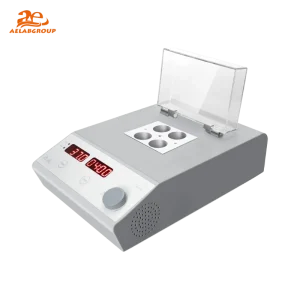
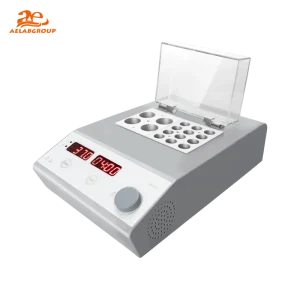
The Dry Bath, also known as a Block Heater, is a key laboratory instrument for achieving precise and uniform temperature control. Ideal for DNA denaturation, enzyme reactions, and sample incubation, it offers consistent, spill-free heating without the maintenance demands of water baths. With digital temperature control, programmable timers, and interchangeable blocks, modern dry baths are indispensable in molecular biology, diagnostics, and industrial laboratories.
What Is a Dry Bath or Block Heater?
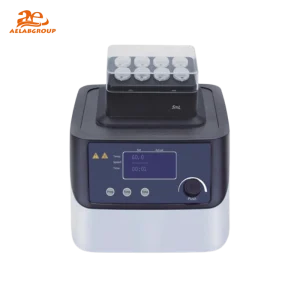
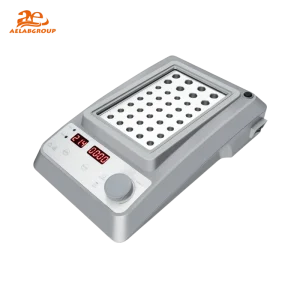
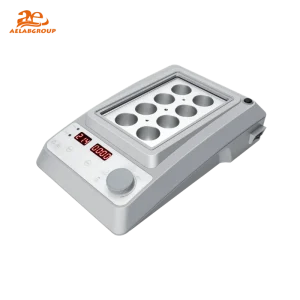
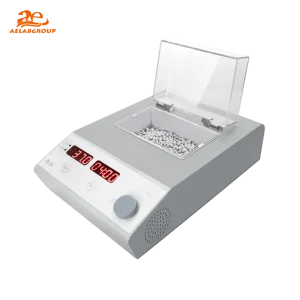
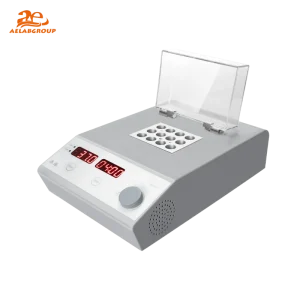
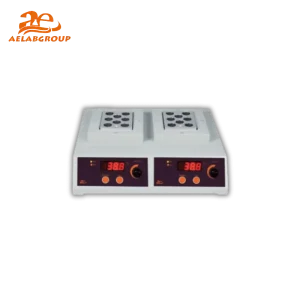
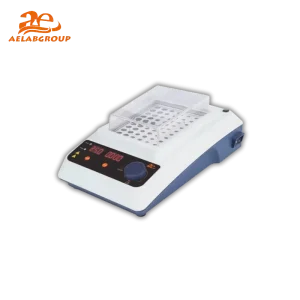
A Dry Bath or Block Heater is a benchtop laboratory device that heats samples placed in tubes, vials, or microplates using a solid metal block. The block ensures even heat distribution and stable temperature control across all sample containers. Unlike water baths, dry baths are low-maintenance, contamination-free, and provide individually programmable temperature settings for highly reproducible results.
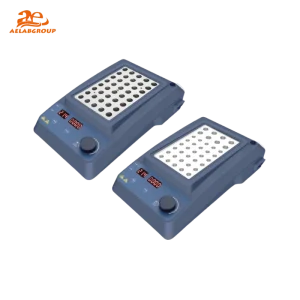
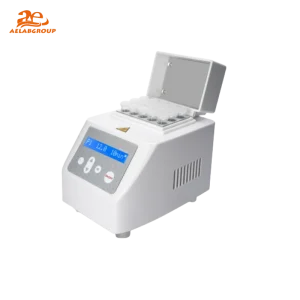
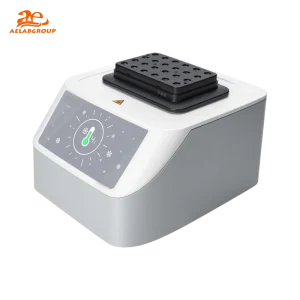
Devices in This Category
- Digital Dry Bath
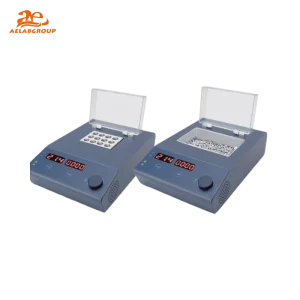
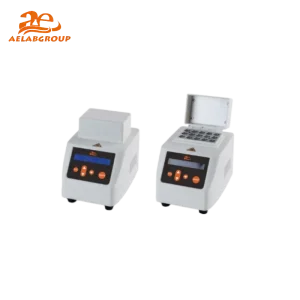
- Dual-Block Heater
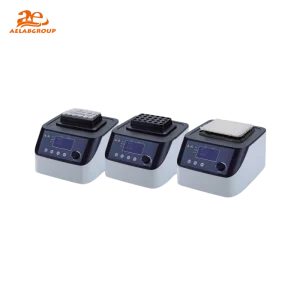
- Multi-Block Dry Bath
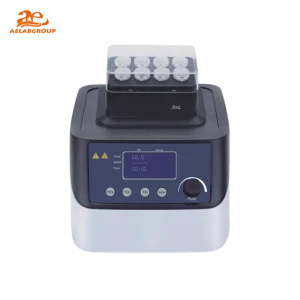
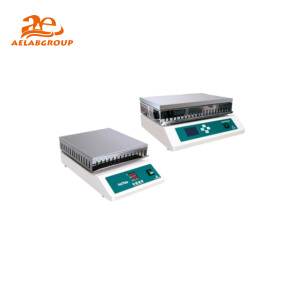
- Thermostatic Dry Heater
- Microplate Block Incubator
Technical Features and Specifications
| Feature |
Details |
| Temperature Range |
+5°C above ambient to 150°C (some up to 200°C) |
| Temperature Accuracy |
±0.2°C to ±0.5°C depending on model |
| Temperature Uniformity |
±0.3°C to ±0.5°C across block surface |
| Timer Function |
Programmable: 1 minute to 99 hours or continuous |
| Block Configurations |
Interchangeable blocks for 0.2–2.0 mL tubes or plates |
| Display Type |
LED or digital LCD for temperature monitoring |
| Capacity |
Single or dual-block options for higher throughput |
| Safety Features |
Overheating protection and automatic shut-off |
Benefits
- Delivers accurate and consistent temperature control for sensitive assays.
- Spill-free and low-maintenance compared to traditional water baths.
- Compatible with multiple tube and plate formats for flexible workflows.
- Faster heating and improved energy efficiency reduce laboratory costs.
- Compact and space-saving design suitable for mobile and benchtop labs.
Applications and Tests
🔬 Molecular Biology
- PCR sample incubation and denaturation
- Enzyme reactions and nucleic acid extraction
- DNA/RNA sample drying and concentration
🧪 Clinical Diagnostics
- Serum heating and digestion
- Sample incubation for enzyme assays
- Blood sample and reagent preparation
🏭 Industrial & Food Testing
- Fat and oil analysis
- Thermal testing of raw materials
- Food pathogen research and quality control
🌱 Environmental & Agricultural Labs
- Soil sample incubation and microbial growth studies
- Pesticide degradation and stability testing
- Water sample temperature-based analysis
Dry Bath vs. Water Bath
| Feature |
Dry Bath |
Water Bath |
| Heat Medium |
Solid metal block |
Heated water |
| Contamination Risk |
Very low |
Higher (waterborne bacteria) |
| Temperature Uniformity |
Excellent (premium models) |
Good but may fluctuate |
| Maintenance |
Easy and low maintenance |
Requires frequent cleaning |
| Sample Compatibility |
Wide range of tubes and plates |
Needs racks or holders |
| Best Use |
Enzyme reactions, PCR work |
Microbial cultures, gentle heating |
Expert Tips for Choosing the Right Dry Bath
- Match block size to your sample tubes or microplates for optimal contact.
- Choose digital models for precise and reproducible temperature control.
- Opt for dual-block systems for experiments requiring multiple temperature settings.
- Ensure safety features like overheat protection and alarms are included.
- Look for certifications (UL, CE, ISO) to ensure product quality and compliance.
Maintenance Best Practices
- Allow the unit to cool completely before removing or replacing blocks.
- Wipe block surfaces with a soft, dry cloth to prevent residue buildup.
- Avoid inserting wet tubes into dry blocks to prevent corrosion.
- Perform annual calibration for consistent temperature accuracy.
- Store the unit in a clean, dry, dust-free environment when not in use.
FAQ
Q: Can I use a dry bath for PCR samples?
A: Yes. Most dry baths include blocks compatible with 0.2 mL PCR tubes and provide precise temperature control for DNA amplification.
Q: Are dry baths faster than water baths?
A: Generally, yes. Dry baths heat up faster and maintain stable temperatures due to efficient metal heat conduction.
Q: How should I clean a block heater?
A: Always unplug and cool the unit before cleaning. Use a mild lab-grade cleaner and a soft cloth to wipe the metal surfaces gently.
Q: What safety features should I look for in a dry bath?
A: Over-temperature protection, automatic shut-off, and temperature alarms are essential for safe and reliable operation.