Introduction
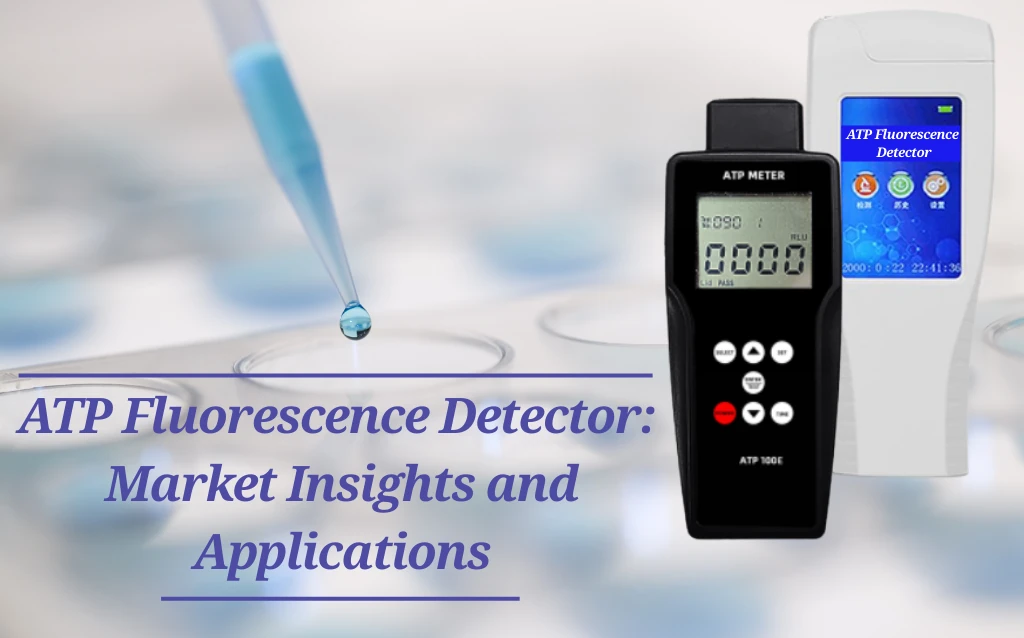
Food safety is no longer just an industry requirement—it has become a cornerstone of global public health and consumer trust. With increasing worldwide demand for high-quality food and stricter hygiene regulations, industries are under pressure to adopt innovative technologies for contamination monitoring. One of the most effective solutions is the ATP Fluorescence Detector, a powerful tool that ensures hygiene validation and microbial safety across multiple sectors.
What Is an ATP Fluorescence Detector?
An ATP Fluorescence Detector is a scientific device that measures adenosine triphosphate (ATP)—the energy molecule present in all living organisms including bacteria, fungi, and food residues. The detection process relies on a reaction between ATP and the enzyme luciferase, which produces light. The detector quantifies this light, and the intensity reflects the amount of ATP in the sample.
Because ATP is found in all forms of organic matter, an ATP Fluorescence Detector provides a rapid and accurate indicator of cleanliness, making it indispensable in industries where hygiene and safety are essential.
How Does an ATP Fluorescence Detector Work?
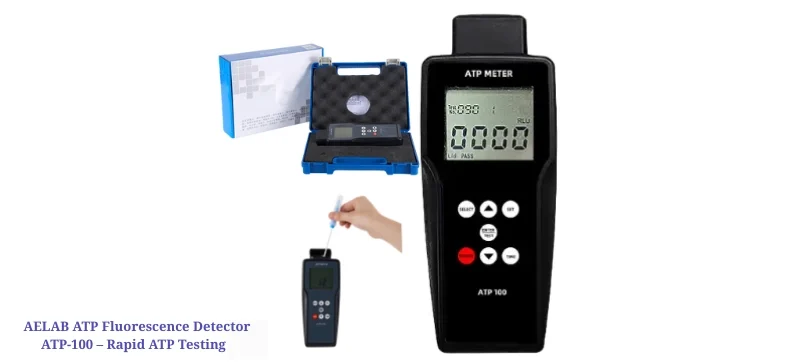
The working principle of an ATP Fluorescence Detector is simple yet highly effective:
Sample Collection – Contaminants are collected with a sterile swab.
Enzyme Reaction – ATP reacts with luciferase to produce light.
Light Detection – The emitted light is measured in Relative Light Units (RLU).
Result Interpretation – Contamination levels are displayed instantly.
This method delivers results in seconds, unlike traditional microbial culture tests that can take 24–48 hours.
Key Benefits of Using an ATP Fluorescence Detector
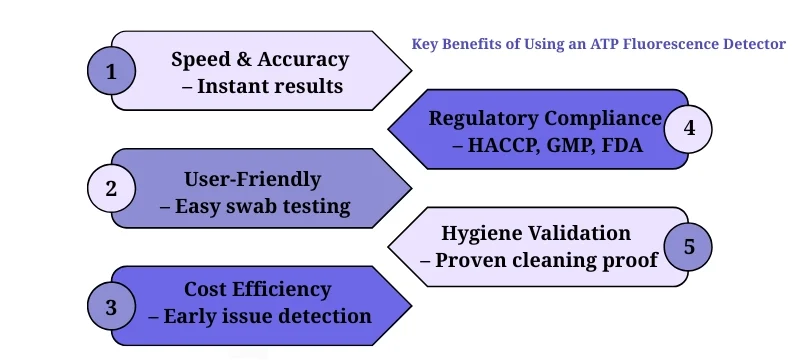
Speed and Accuracy – Immediate results within seconds.
User-Friendly – Simple operation with swab tests and automated readings.
Cost Efficiency – Prevents expensive recalls by early detection.
Regulatory Compliance – Supports HACCP, GMP, and FDA guidelines.
Hygiene Validation – Provides measurable proof of cleaning effectiveness.
Applications of ATP Fluorescence Detectors
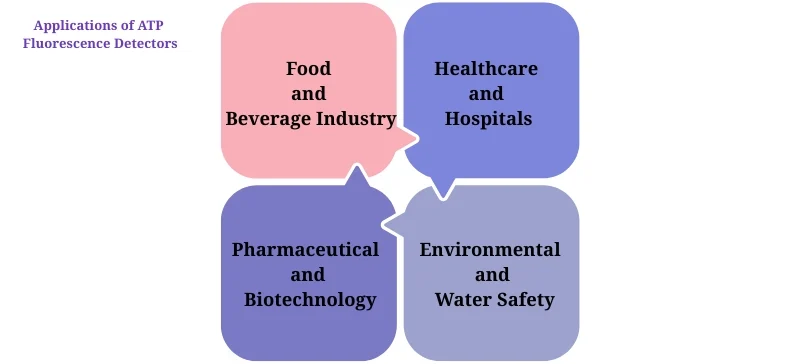
1. Food and Beverage Industry
Surface hygiene testing for equipment and production lines.
Water quality monitoring for rinse and processing systems.
Disinfection validation to confirm cleaning effectiveness.
2. Healthcare and Hospitals
Monitoring cleanliness of surgical tools.
Reducing risks of Healthcare-Associated Infections (HAIs).
3. Pharmaceutical and Biotechnology
Cleanroom monitoring.
Ensuring compliance with Good Manufacturing Practices (GMP).
4. Environmental and Water Safety
Testing water supply systems for contamination.
Monitoring industrial waste discharge.
Market Outlook (2025–2030)
The global market for ATP Fluorescence Detectors is expected to grow significantly due to strict regulations, rising consumer expectations, and technological advancements.
Market Drivers
Tighter food safety regulations worldwide.
Consumer demand for transparency and quality assurance.
Cloud-based analytics for large-scale hygiene monitoring.
Regional manufacturing growth reducing import dependency.
Technology Trends
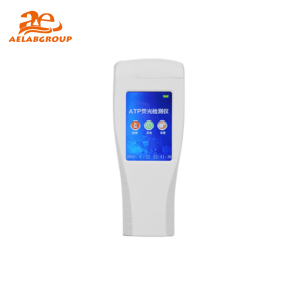
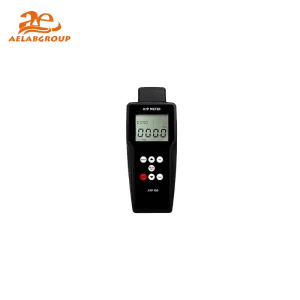
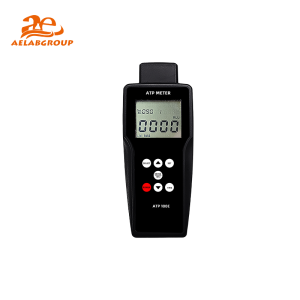
Portable handheld ATP Fluorescence Detectors for on-site testing.
Chip-based and CMOS sensor platforms for faster and more reliable results.
Integration with cloud systems for real-time monitoring.
Advanced support services including training and maintenance.
Regional Insights
Americas: Strong adoption due to FDA requirements.
Europe, Middle East & Africa: Demand driven by strict EU hygiene directives.
Asia-Pacific: Rapid adoption in China, India, and Japan due to food manufacturing growth.
ATP Fluorescence Detectors vs. Traditional Microbial Tests
| Feature | ATP Fluorescence Detector | Microbial Culture Tests |
|---|---|---|
| Speed | Seconds to minutes | 24–48 hours |
| Accuracy | Detects all ATP | Pathogen-specific |
| Use Case | Hygiene monitoring & validation | Pathogen identification |
| Portability | Compact and handheld | Laboratory-based only |
Expert Recommendations
Always use ATP Fluorescence Detectors as part of a complete hygiene monitoring program.
Follow proper swabbing procedures for accuracy.
Calibrate devices regularly to maintain reliability.
Use results to move from reactive testing to preventive monitoring.
Strategic Value for Businesses
For decision-makers, an ATP Fluorescence Detector is not just a compliance tool but a strategic investment. It helps companies safeguard their brand reputation, build consumer confidence, strengthen supply chains, and reduce operational risks.
Conclusion
The ATP Fluorescence Detector is revolutionizing hygiene monitoring by combining speed, sensitivity, and cost-effectiveness. It empowers industries—from food manufacturing to healthcare—to meet evolving safety standards and enhance consumer trust.
Between 2025 and 2030, this technology will remain central to global food safety strategies, supported by digital integration, regulatory enforcement, and regional production growth.
👉For organizations committed to innovation and safety, adopting an ATP Fluorescence Detector from AELAB is a smart step toward excellence.