

Introduction
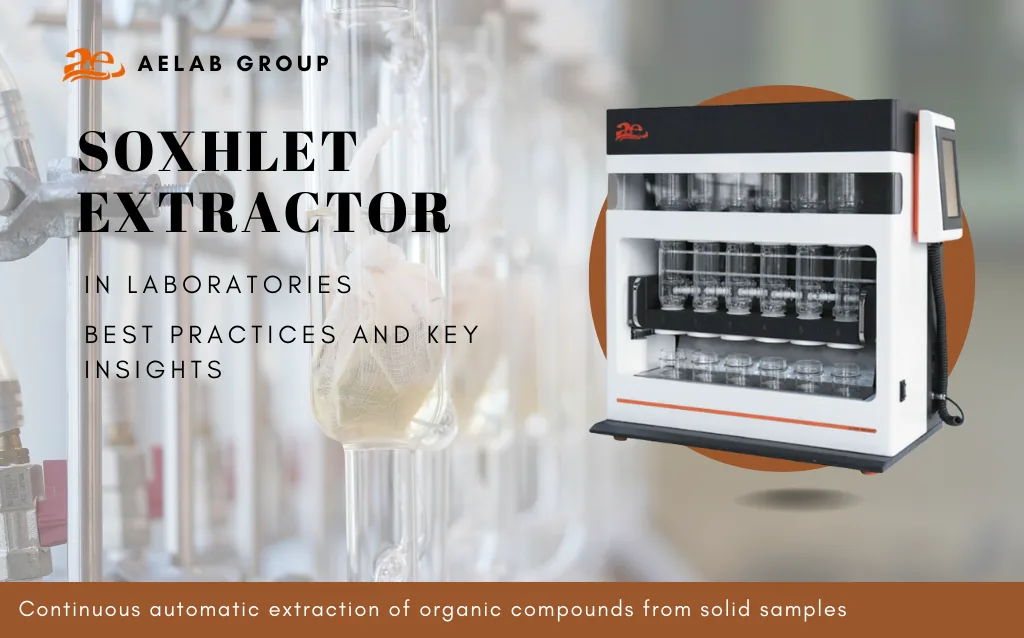
The Soxhlet extractor has long been a cornerstone of analytical chemistry and laboratory research, enabling efficient extraction of organic compounds from solid samples. Whether used in food science, environmental testing, pharmaceutical development, forensic toxicology, or petrochemical analysis, the Soxhlet method provides unmatched reliability and repeatability.
Today, modern laboratories are transitioning toward Automatic Soxhlet Extractors, which combine traditional Soxhlet principles with advanced automation. These newer systems optimize extraction cycles, improve safety, reduce solvent use, and deliver greater reproducibility — transforming how laboratories perform solid–liquid extractions.
This comprehensive guide blends foundational knowledge with modern innovations to provide a complete, authoritative resource on everything you need to know about Soxhlet extractors
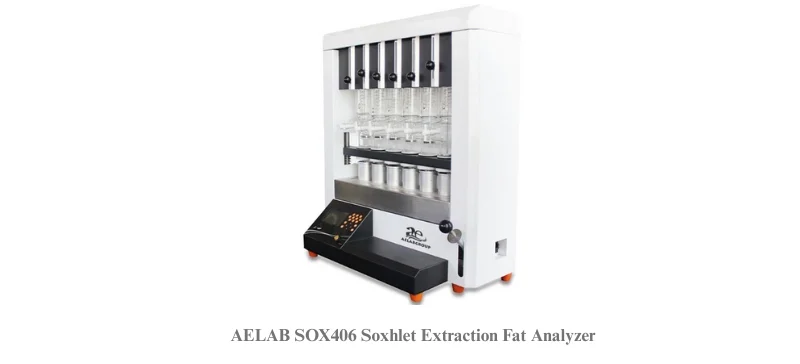
What Is a Soxhlet Extractor?
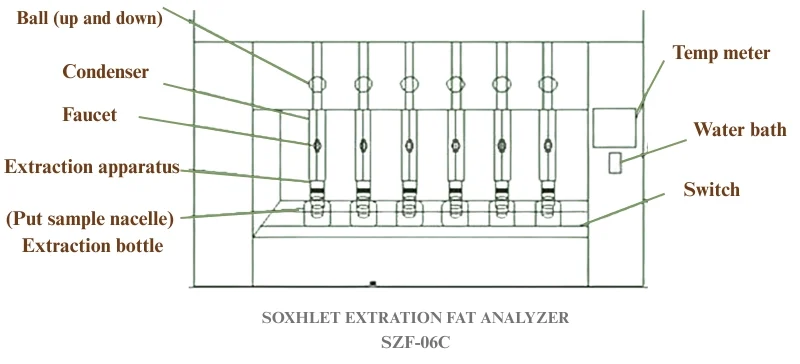
A Soxhlet extractor is a laboratory apparatus designed for continuous and automated solid–liquid extraction of organic compounds. Traditionally, it consists of:
Boiling flask
Extraction chamber
Porous thimble
Siphon tube
Condenser
Its cyclic, automated operation allows laboratories to extract compounds without constantly replenishing solvent, making it one of the most cost-effective and precise extraction methods.
Working Principle of the Soxhlet Extractor
1. Sample Loading
The solid material is placed inside a cellulose or glass fiber thimble.
2. Solvent Addition
A suitable solvent is placed in the boiling flask based on polarity and solubility.
3. Vaporization & Condensation
Heat vaporizes the solvent → vapor rises → condenser cools it → condensed solvent drips onto the sample.
4. Extraction Phase
Solvent dissolves target compounds and collects in the chamber.
5. Siphon Mechanism
Once the solvent reaches a certain level, the siphon drains the extract back into the flask.
6. Cycle Repetition
Heating, condensation, extraction, and siphoning repeat until extraction is complete.
7. Final Collection
The solvent containing extracted compounds is evaporated and analyzed.
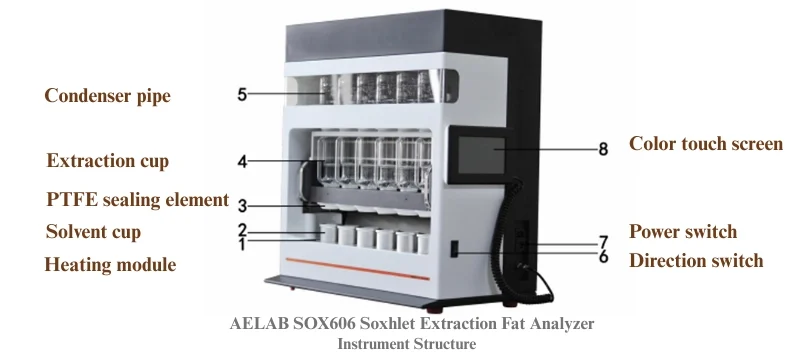
Top Tips to Know About Soxhlet Extractors (Featured Snippet Ready)
1. Choose the Right Solvent
Match solvent polarity with target compounds. Use solvents with ideal boiling points for efficient vaporization.
2. Avoid Overpacking the Thimble
A loosely packed sample improves solvent penetration and extraction efficiency.
3. Maintain Stable Heating
Use regulated heating mantles. Avoid rapid boiling that causes bumping.
4. Ensure Proper Condenser Cooling
Stable water flow ensures continuous condensation and prevents solvent loss.
5. Check for Leaks and Blockages
Loose connections or blocked siphon tubes can compromise extraction.
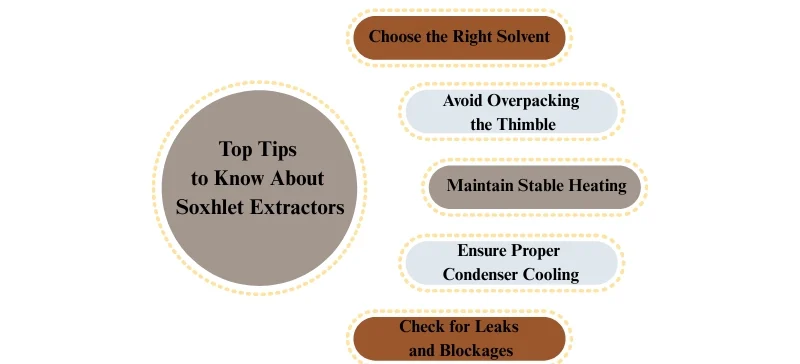
Applications of the Soxhlet Extractor
Natural Products Chemistry
Extraction of essential oils, alkaloids, flavonoids, and plant-based active compounds.
Food Analysis
Widely used for determining fat and lipid content in food samples.
Environmental Analysis
Removes pollutants such as PAHs, pesticides, and POPs from soil and sediment.
Pharmaceutical Testing
Extracts APIs from solid dosage forms for quality control.
Forensic Toxicology
Used for extracting drugs, poisons, and toxins from biological samples.
Petrochemical Research
Extracts hydrocarbons and additives for analytical purposes.
Environmental Remediation
Evaluates how effectively contaminated materials can be cleaned.
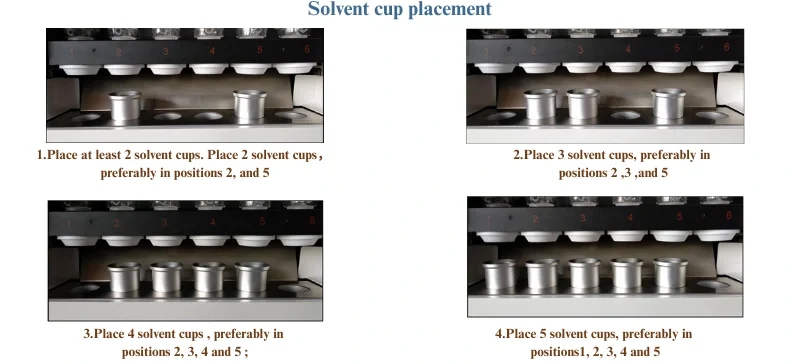
Benefits and Limitations of Traditional Soxhlet Extraction
Benefits
High extraction efficiency
Continuous solvent recycling
Standardized and reproducible
Cost-effective setup
Simple and durable design
Limitations
Time-consuming
Not ideal for heat-sensitive compounds
Requires manual monitoring
Relies on significant heating energy
The Evolution of Soxhlet Extractor into Automatic Systems
As laboratories seek greater speed, accuracy, and safety, Automatic Soxhlet Extractors have emerged as a cutting-edge solution. These systems retain the classical Soxhlet extraction principle but replace manual steps with automation.
Key Advantages of Automatic Soxhlet Systems
1. Faster Extraction
Automated heating and cycle control significantly reduce extraction time.
2. Lower Solvent Consumption
Optimized cycles use less solvent without compromising quality.
3. Enhanced Safety
Fully enclosed systems eliminate exposure to toxic vapors and hot surfaces.
4. Greater Reproducibility
Automated cycle timing ensures consistent results across multiple runs.
5. Long-Term Cost Savings
Reduced solvent use + improved efficiency = lower operational costs.
These features make automatic systems a strategic upgrade for laboratories working in food science, pharmaceuticals, environmental analysis, petrochemicals, and materials research.
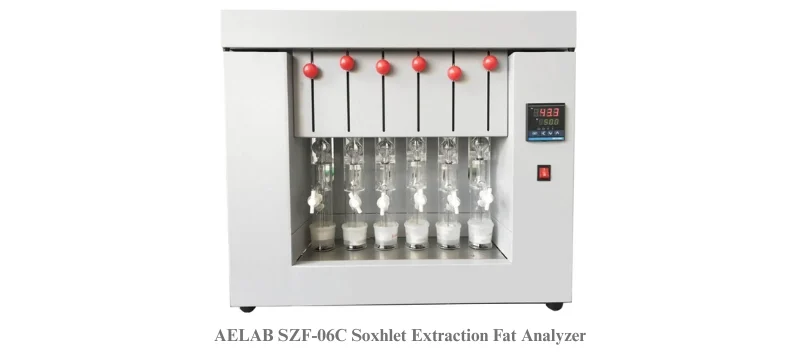
Soxhlet Extractor vs. Automatic Soxhlet Extractor
| Feature | Traditional Soxhlet | Automatic Soxhlet |
|---|---|---|
| Speed | Slow | Much faster |
| Solvent Use | Higher | Lower |
| Safety | Moderate | High |
| Reproducibility | Good | Excellent |
| Automation | None | Fully automated |
| Cost | Low | Medium/High |
| Ideal For | Basic labs | Professional labs with high throughput |
Professional Tips for Maximizing Automatic Soxhlet Efficiency
Use analytical-grade solvents for consistent performance
Pre-dry and grind samples for optimal extraction
Perform routine maintenance to keep sensors and heating units accurate
Calibrate condenser flow to avoid overheating
Keep extraction programs standardized across the lab
Safety Guidelines for Using a Soxhlet Extractor
Whether using manual or automatic Soxhlet extraction systems, always:
Operate inside a fume hood
Wear proper PPE (gloves, goggles, lab coat)
Secure glassware tightly
Keep flammable solvents away from direct heat
Dispose of chemicals using approved laboratory procedures
Conclusion
The Soxhlet extractor remains one of the most powerful and reliable methods for extracting organic compounds from solid samples. Its ability to deliver high efficiency, reproducibility, and automated solvent cycling makes it indispensable across countless scientific fields.
However, Automatic Soxhlet Extractors represent a major breakthrough—offering:
Faster extraction
Lower solvent consumption
Enhanced safety
Greater reproducibility
Long-term cost savings
For laboratories in food science, environmental analysis, pharmaceuticals, petrochemicals, and materials research, upgrading to an automatic system is a strategic investment that improves precision and boosts overall productivity.
Call to Action (CTA)
Discover advanced Soxhlet extraction systems from AELAB to improve efficiency and reliability in your laboratory.