

Introduction
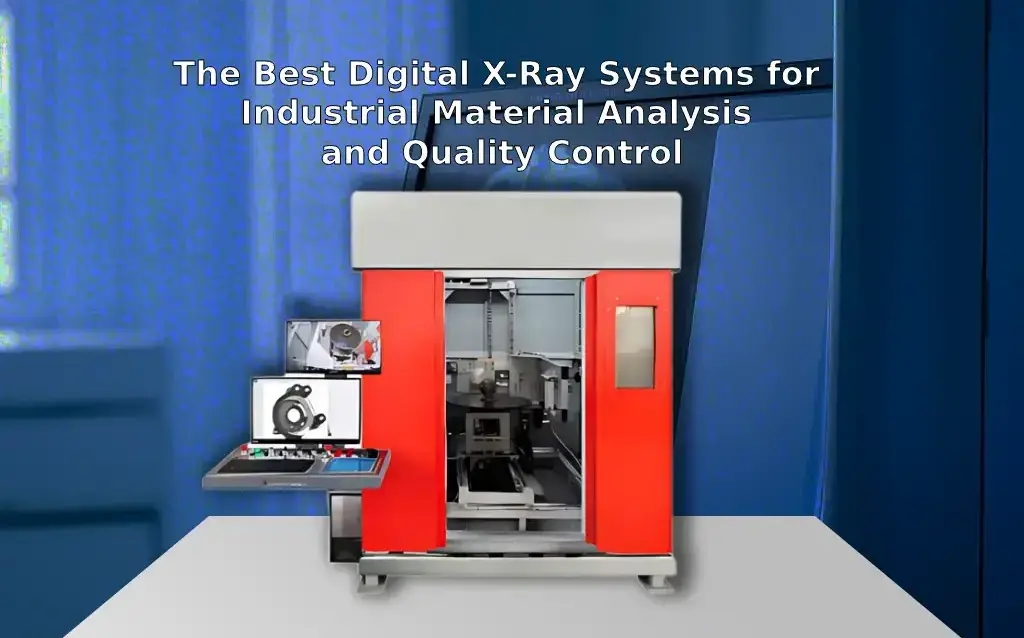
Digital X-ray systems have become indispensable in industrial material analysis and quality control. These advanced systems provide high-resolution imaging, enabling efficient and accurate inspection of components and materials. By offering detailed internal imaging, these systems help identify defects, analyze crystal structures, and improve manufacturing processes. This article explores the significance of digital X-ray systems in industrial applications, specifically in the areas of industrial components inspection and material analysis.
X-ray Inspection for Industrial Components
Digital X-ray systems are increasingly used in the inspection of industrial components to detect internal defects, such as cracks, voids, and porosity. These systems provide high-resolution images that allow for precise defect identification without damaging the material. The process is non-destructive, making it ideal for continuous monitoring during the manufacturing process.
Applications:
Battery Surface Inspection
Detects and classifies defects like scratches, dents, and glue residues in batteries.
Dynamic Stress Analysis
Tests and analyzes stress points in components to ensure they meet design specifications.
Pressure Equipment Inspection
Includes inspections of pressure valves to ensure safety and compliance with industry standards.
Lifting Equipment Inspection
Inspects cranes and lifting equipment to ensure operational safety.
These inspection techniques ensure product reliability, prevent defects, and enhance product quality, helping industries such as aerospace, automotive, and manufacturing maintain high standards.

Material Analysis Using Digital X-Ray and XRD Technologies
X-ray Diffraction (XRD) and digital X-ray systems are critical in material analysis, providing insights into the internal structure and properties of materials.
- XRD analyzes crystal structures by measuring diffraction patterns produced when X-rays interact with crystalline materials. This method is vital for determining phase compositions, crystal orientation, and lattice parameters, making it crucial in material science, chemistry, and geology.
- Digital X-ray Systems are used for creating detailed images of materials, aiding in the identification of internal defects, including porosity and structural flaws.
These technologies are non-destructive, ensuring that the materials under investigation remain intact while providing high-precision data for research, quality control, and industrial processes.
Industrial Quality Control with Digital X-Ray Systems
Quality control is a crucial aspect of the manufacturing process, and digital X-ray systems significantly enhance this by providing non-destructive, high-resolution imaging. These systems allow for quick detection of internal defects, such as cracks, porosity, and other imperfections, which could compromise the material’s integrity.
Key benefits include:
- Increased Speed: Faster detection and analysis minimize downtime and help accelerate production.
- Higher Accuracy: Precise measurements ensure early identification of defects, preventing larger-scale production issues.
- Cost Efficiency: By preventing costly errors and product recalls, only defect-free products reach the market, reducing overall costs.
How to Choose the Best Digital X-Ray System for Industrial Use
When selecting a digital X-ray system for industrial applications, it’s essential to focus on the specific needs of your operation. Key considerations include:
Application-Specific Needs
Ensure the system is suited for the type of materials and defects you plan to inspect, whether it’s for structural components, small parts, or high-precision analysis.Integration with Existing Equipment
The system should seamlessly work with other machinery and software used in your facility to ensure efficiency and reduce setup time.Ease of Operation
Choose a system that is intuitive, requiring minimal training for operators to get the most out of its features.Long-Term Value
Consider not just the upfront cost but also the long-term operational savings from reduced maintenance, improved efficiency, and fewer costly errors.
By evaluating these factors, industries can select the most effective system that balances performance, cost, and operational needs.

Applications of X-Ray Diffraction and Digital X-Ray Systems in Various Industries
Digital X-ray systems and XRD technologies have applications across various sectors:
Material Science
XRD is essential for analyzing crystal structures and determining material properties at the atomic level.
Automotive Industry
Used for inspecting critical automotive components such as engine parts and structural elements.
Aerospace
Ensures the integrity of high-performance components, where safety is paramount.
Pharmaceuticals
Used in the quality control of raw materials and drug formulations, ensuring the integrity of products.
Construction and Heavy Equipment
Digital X-ray is used for inspecting welds and structural components in construction and heavy machinery.
Related Aelab Products
Aelab offers a range of digital X-ray systems and X-ray diffractometers that are widely used in industrial component inspection and material analysis across various industries.
Digital X-ray System for Castings Inspection: This system provides high-resolution imaging for detecting defects such as cracks and porosity in casting components. It is particularly useful in industries like aerospace, automotive, and manufacturing, offering non-destructive inspection for critical parts.
AL-Y3500 X-ray Diffractometer: Specifically designed for material analysis, this system analyzes crystal structures and identifies phases in materials, making it ideal for metallurgical and chemical industries. It enables precise determination of crystal lattice parameters and phase identification.
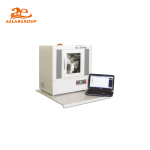
AL-27mini Desktop X-ray Diffractometer: A compact, high-performance diffractometer designed for material analysis and quality control in industries such as cement, pharmaceuticals, and catalysts. Its small footprint makes it perfect for limited-space environments without sacrificing performance.
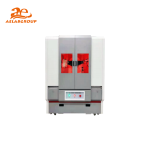
X-ray Diffractometer: This device is used for detailed structural analysis and phase identification in materials. It plays a vital role in material research and industrial applications, especially for stress analysis and defect detection in production materials.
X-ray Inspection Systems for Material Analysis: These systems produce high-quality digital images of materials, enabling the identification of internal defects like cracks and voids. They are essential for industrial inspection and quality control in material production and components.
These products provide users with the ability to achieve high precision in defect detection and material structure analysis, essential for research and development, quality control, and manufacturing processes.
Frequently Asked Questions (FAQ)
What is a digital X-ray system for industrial use?
A digital X-ray system captures detailed images of materials and components using digital sensors. It replaces traditional film-based methods, providing higher resolution and the ability to analyze images more efficiently.
What are the three types of digital radiography systems?
- Direct Digital Radiography (DDR): Converts X-rays directly into digital images.
- Computed Radiography (CR): Uses phosphor plates to capture X-rays and convert them into digital images.
- Hybrid Digital Radiography: Combines both DDR and CR technologies for versatile applications.
What is the difference between X-ray and digital X-ray?
Traditional X-ray systems use film to capture images, while digital X-ray systems use digital sensors. Digital X-ray offers higher image resolution, faster processing, and reduced radiation exposure.
What is the cost of a digital X-ray system for industrial use?
The cost can range from $30,000 to $200,000, depending on the model and features. Additional costs may include installation and maintenance.
Conclusion
Digital X-ray systems and X-ray diffraction technologies have become vital tools for material analysis, industrial inspection, and quality control. These systems provide detailed, non-destructive analysis, ensuring high-quality materials and components in various industries. By leveraging advanced imaging technologies, businesses can enhance operational efficiency, reduce costs, and improve product quality. Adopting the right digital X-ray system is crucial for maintaining safety, reliability, and performance standards in industrial applications.