


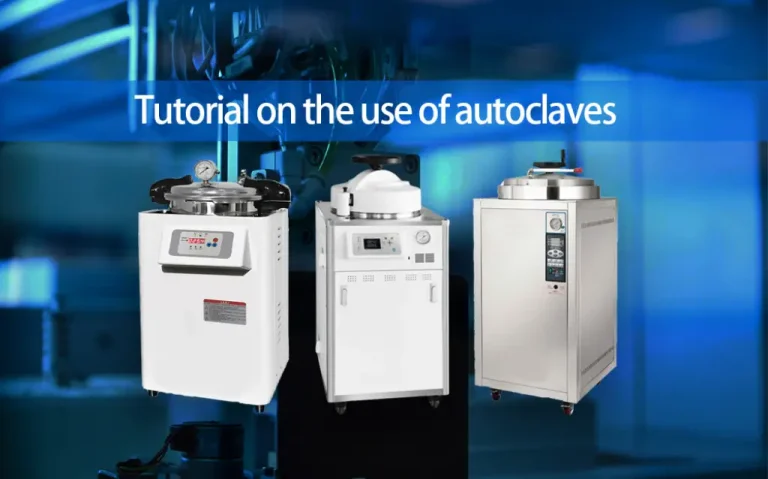
Tutorial on the use of autoclaves
Autoclaves are essential tools in laboratories, hospitals, and various industries for sterilizing equipment, instruments, and other items. They use high-pressure steam to...

Autoclaves are essential tools in laboratories, hospitals, and various industries for sterilizing equipment, instruments, and other items. They use high-pressure steam to...
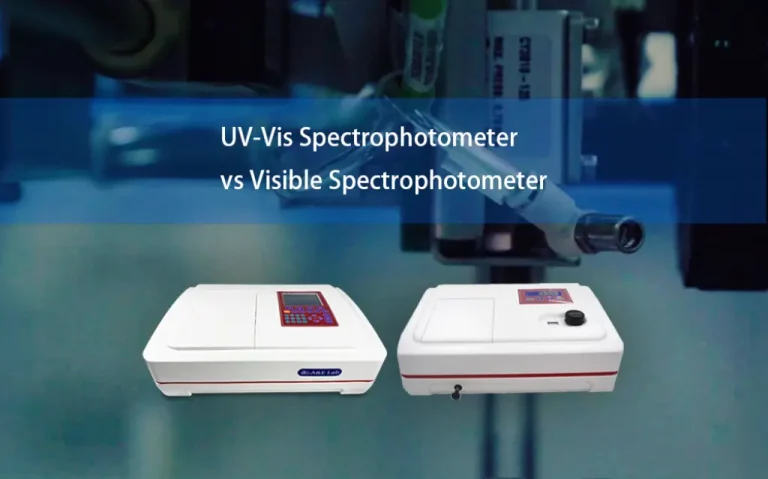
A UV-Vis spectrophotometer is a laboratory instrument used to measure the absorbance or transmittance of ultraviolet (UV) and visible (Vis) light by...
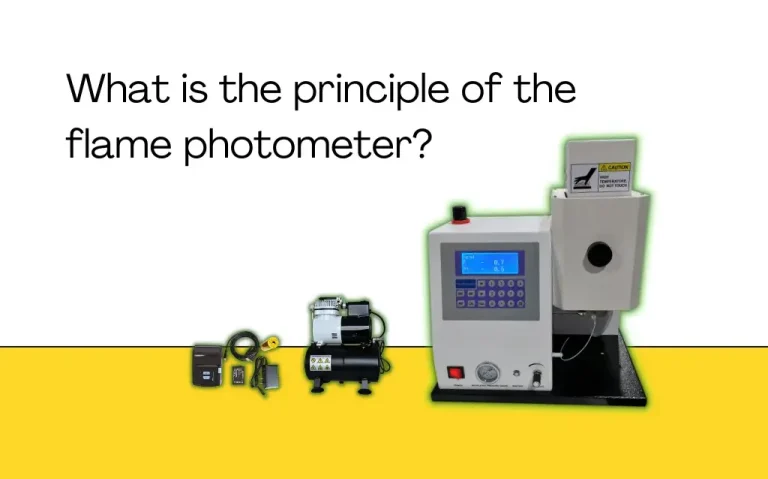
The principle of a flame photometer is based on the emission of light by atoms when they are heated in a flame....
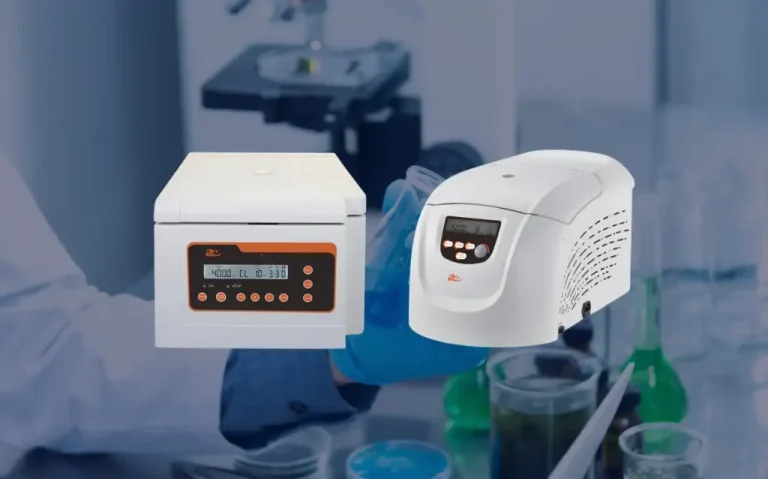
RPM (Revolutions Per Minute) measures the speed at which a centrifuge's rotor spins, while RCF (Relative Centrifugal Force) measures the actual force...
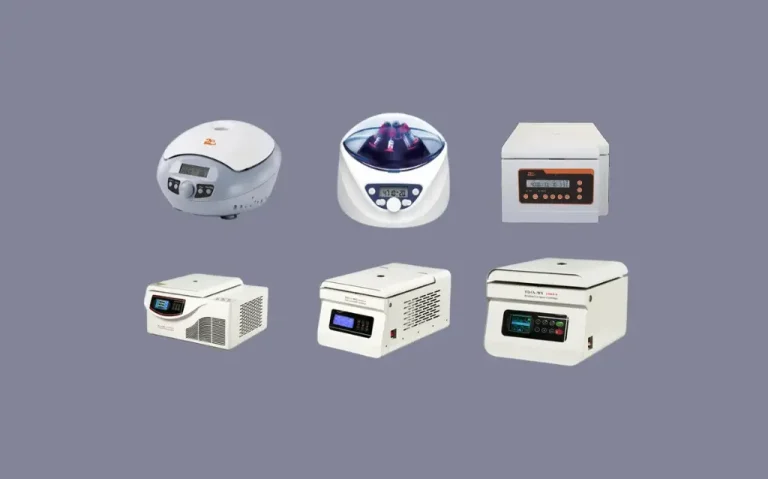
o choose a suitable centrifuge, consider the required RCF for your application, the type of samples, and the volume capacity. Ensure the...
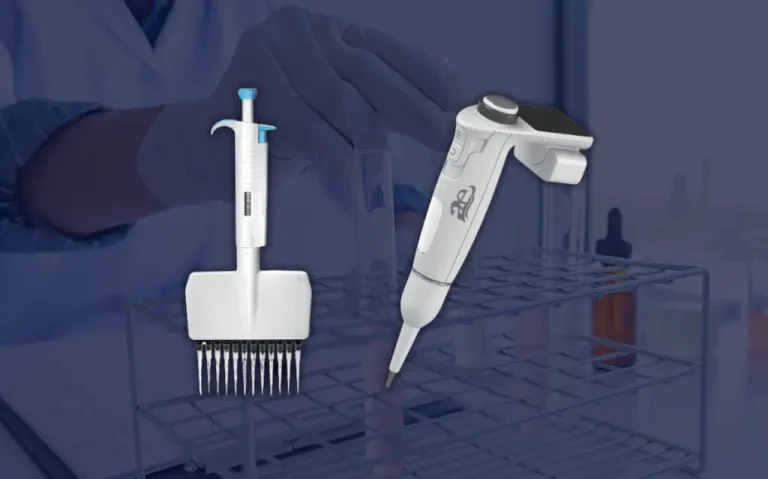
A pipette is a laboratory tool used to measure and transfer small volumes of liquid accurately. It consists of a slender tube...
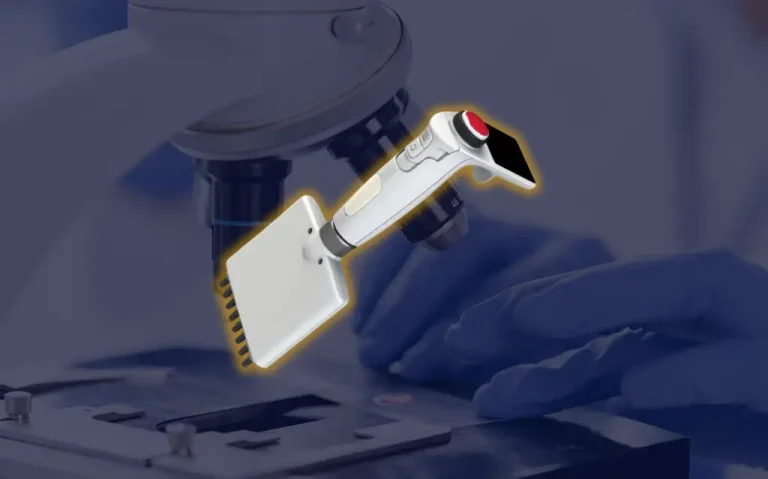
Manual pipettes are simple, reliable, and affordable, suitable for routine tasks but physically demanding. Electronic pipettes offer superior precision, ease of use,...
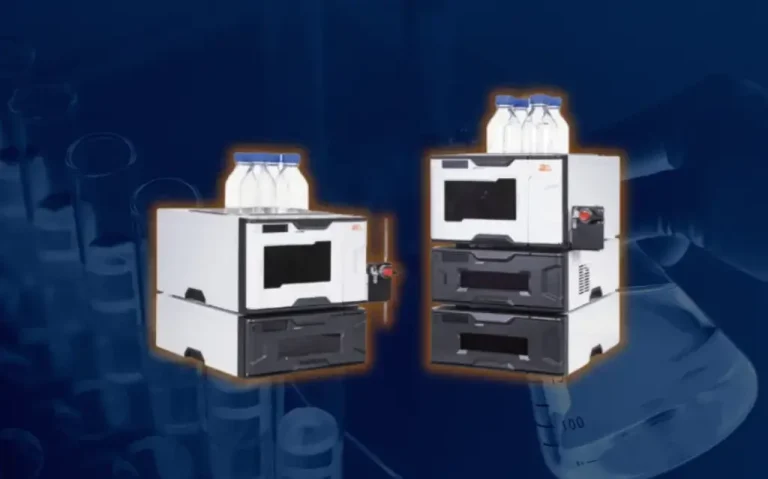
High-Performance Liquid Chromatography (HPLC) is a powerful analytical technique used to separate, identify, and quantify components in a mixture. It involves passing...
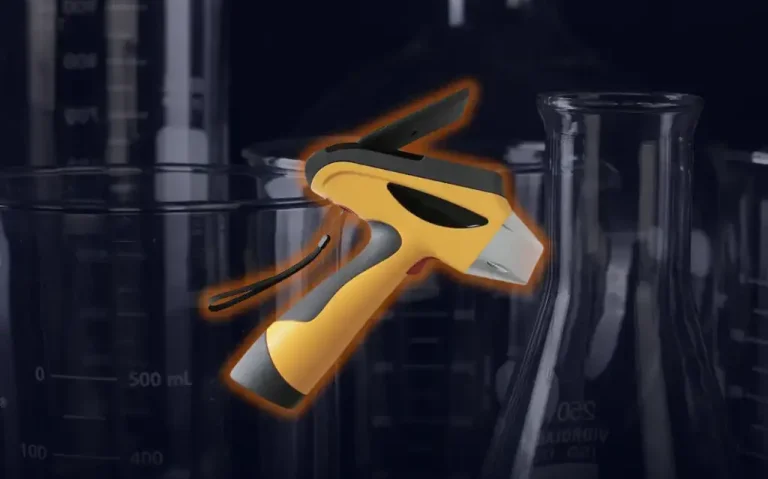
X-ray fluorescence (XRF) is an analytical technique used to determine the elemental composition of materials. When exposed to high-energy X-rays, materials emit...
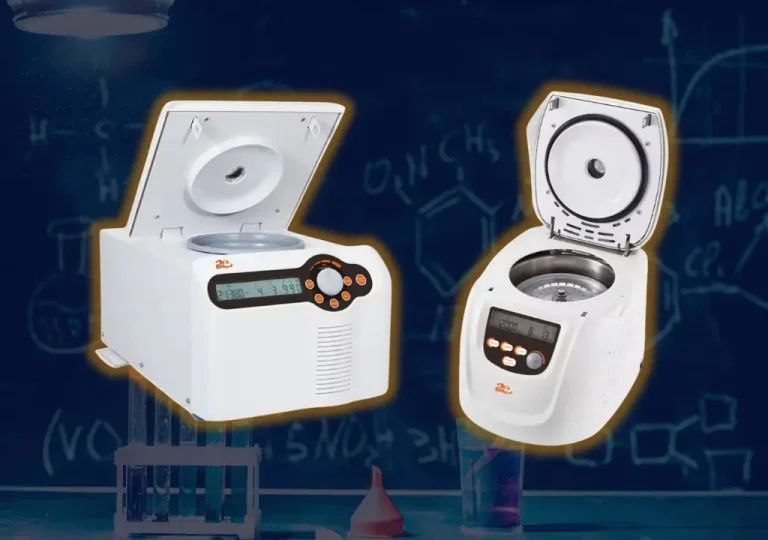
the differences between low-speed and high-speed centrifuges, focusing on their applications, capacities, costs, and operational requirements. Low-speed centrifuges are ideal for routine...
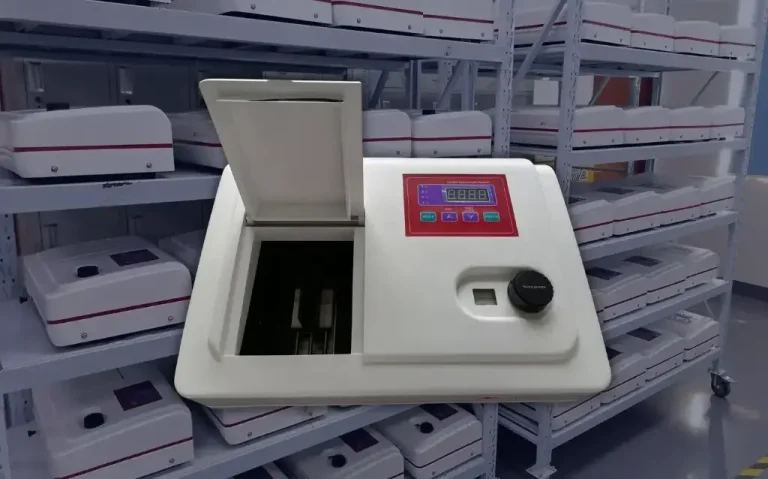
UV-VIS spectrophotometry measures the absorption of UV and visible light by a sample to determine its concentration and purity. It is quick,...
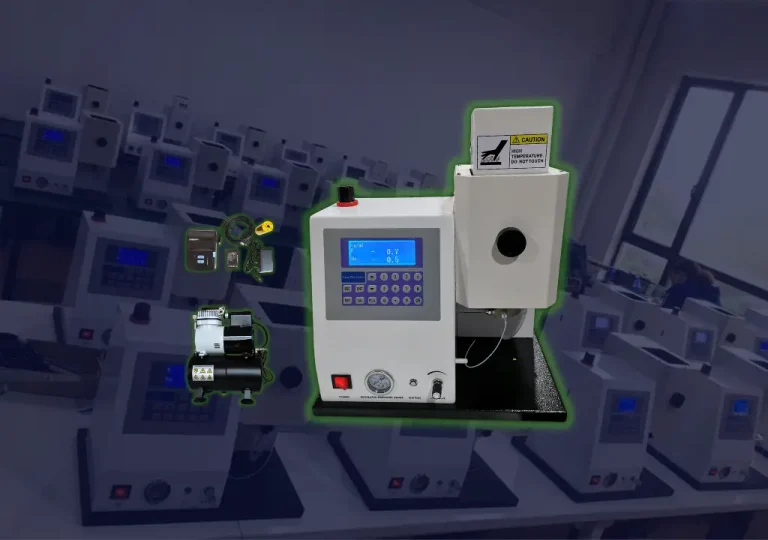
A Flame Photometer is a specialized instrument used in analytical chemistry to measure the concentration of certain metal ions in a solution....