

Introduction: Why It Matters
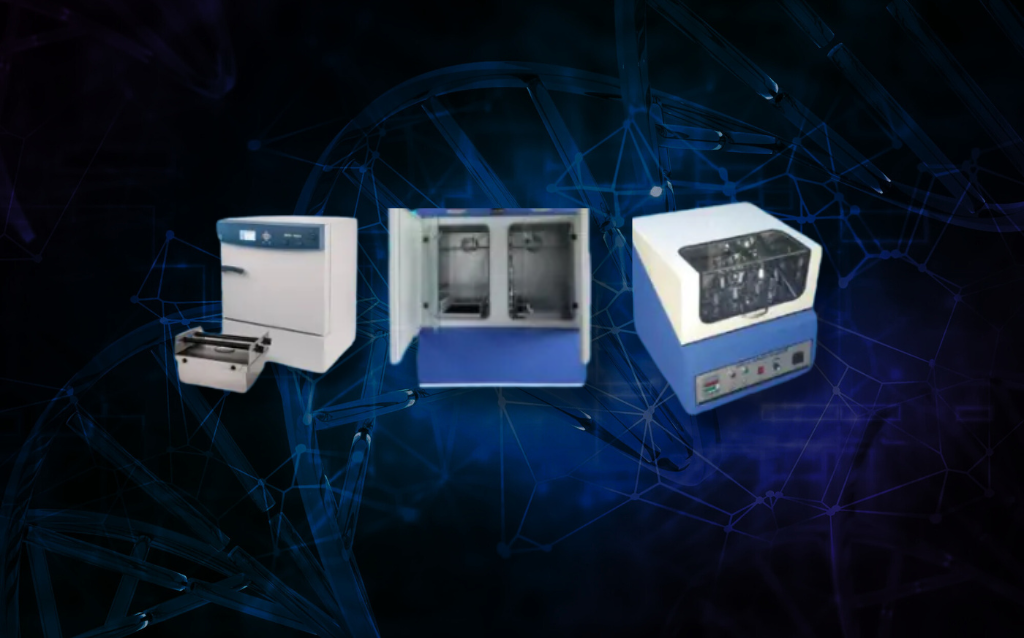
In modern laboratories—whether in molecular biology, microbiology, biochemistry, or pharmaceutical R&D—a shaking incubator is a cornerstone of reliable experimentation. Combining heating, agitation, and temperature control, these devices create optimal environments for the growth of cultures and conducting sensitive experiments. Choosing the right shaking incubator isn’t just about technical specs—it’s about improving reproducibility, precision, and efficiency in your workflows.
What Is a Shaking Incubator?
A shaking incubator integrates temperature regulation and motion to foster optimal growth for microorganisms, cells, and other biological samples. These units typically feature a platform that shakes in an orbital or reciprocal motion to ensure uniform aeration and mixing.
Key Applications:
- Cell and tissue culture
- Microbial and bacterial growth
- Protein expression studies
- Enzyme kinetics and solubility testing
- High-throughput screening
Types of Shaking Incubators
Here is a comparative overview of the main types available:
| Type | Shaking Motion | Applications | Key Features |
|---|---|---|---|
| Orbital Shaking Incubator | Circular (orbital) | Cell culture, enzyme reactions, general use | Gentle, consistent shaking for delicate samples |
| Reciprocal Shaking Incubator | Back-and-forth (linear) | Fermentation, bacterial growth in large vessels | Vigorous agitation for intensive mixing |
| Microplate Shaker Incubator | Orbital or Linear | Protein expression, high-throughput assays | Compact design, microplate compatibility, high-speed shaking |
| Benchtop Shaking Incubator | Orbital | Small-scale experiments, teaching labs | Space-saving, ideal for basic lab needs |
| High-Throughput Shaking Incubator | Orbital | Drug discovery, industrial applications | Handles large volumes, precision control |
| CO₂ Shaking Incubator | Orbital | Mammalian cell culture, sensitive applications | CO₂ regulation, sterile environments |
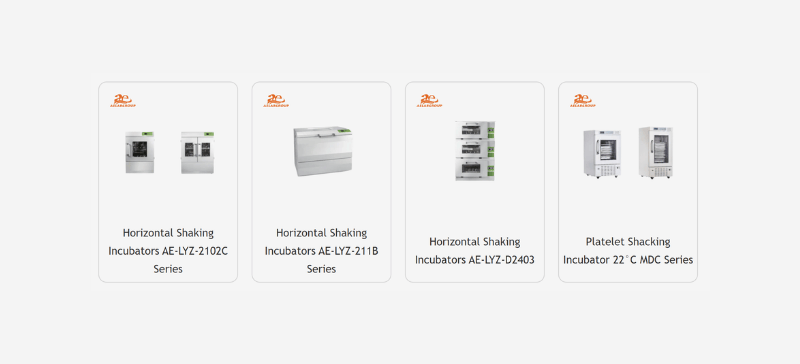
Horizontal Shaking Incubators AE-LYZ-211B Series
-300x300.webp)
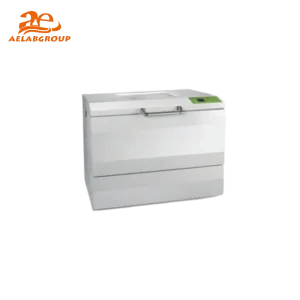
Shaking Incubator Benchtop AE-LYZ-103B Series
Key Factors to Consider When Choosing a Shaking Incubator
1. Understand Your Laboratory Requirements
Before choosing, ask:
- What types of experiments will be run?
- What sample volumes and vessel types will you use?
- Do you need CO₂ control or just standard temperature settings?
2. Type of Shaking Motion
- Orbital: Best for general mixing and cell cultures
- Reciprocal: More aggressive motion, suitable for fermentation and viscous fluids
3. Temperature Control
- Range: Most models offer 4°C to 80°C
- Uniformity: Essential for reproducible results
- Heat Recovery: Fast recovery after door opening helps maintain consistent conditions
4. Load Capacity and Platform Size
- Match the unit to your throughput: microplates, flasks, or tubes
- Modular platforms add flexibility for future scaling
5. Speed and Frequency
- Gentle shaking (30–200 rpm): Ideal for cell cultures and proteins
- Vigorous shaking (200–500 rpm): Needed for bacterial growth and mixing dense fluids
- Choose models with adjustable, precise RPM settings
6. User Interface and Controls
- Digital touchscreen with intuitive navigation
- Programmable cycles for experiments with varied shaking/temperature phases
- Alerts and real-time monitoring improve safety and oversight
7. Safety Features
- Overheat protection
- Automatic shutdown
- Door switch interlocks to prevent accidents
8. Noise and Vibration
Look for low-noise, anti-vibration models to avoid disruption in shared lab spaces.
9. Budget and Long-Term Value
- Entry-level: For basic functions and limited capacity
- Mid-range: For greater control, larger platforms
- High-end: Advanced monitoring, automation, and high throughput
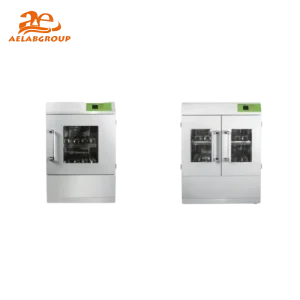
Horizontal Shaking Incubators AE-LYZ-2102C Series
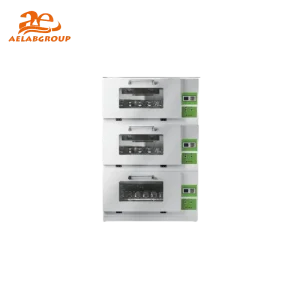
Horizontal Shaking Incubators AE-LYZ-D2403
Expert Insight: What Makes AELAB Shaking Incubators Stand Out
AELAB offers a wide range of shaking incubators tailored for laboratories of all sizes and specialties. Their product line ranges from benchtop models to high-throughput systems, delivering:
- Precision temperature and shaking control
- Reliable performance backed by warranties
- Affordable options without compromising quality
Whether you’re scaling your research or standardizing routine testing, AELAB incubators offer a trustworthy solution to elevate your lab’s performance.
Conclusion: Make an Informed Investment
Choosing the right shaking incubator is not a one-size-fits-all decision. From shaking motion and temperature control to load capacity and user interface, every feature must align with your lab’s specific goals.
Ready to Upgrade Your Laboratory?
Contact our team today to explore AELAB‘s full range of shaking incubators and get personalized recommendations tailored to your workflow.