Introduction
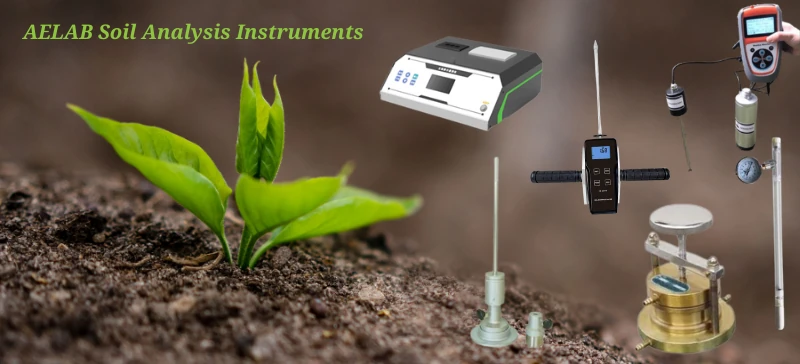
Thriving agriculture begins with healthy soil. In today’s farming landscape, advanced Soil Analysis Instruments are indispensable for understanding soil characteristics, optimizing nutrients, and enhancing crop output. These cutting-edge tools help farmers and agronomists monitor crucial factors such as nutrient levels, pH balance, moisture, and soil density.
By leveraging precise soil data, growers can make smarter, more sustainable decisions that boost productivity and protect the environment.
Why Soil Analysis Is Essential in Modern Farming
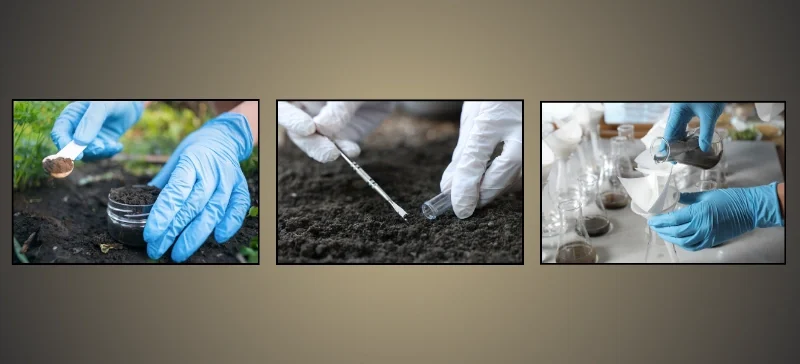
Analyzing soil reveals deficiencies in nutrients, uncovers compaction problems, and assesses overall soil health. Without proper testing, farmers may overuse fertilizers or under-irrigate, which reduces yield and harms ecosystems.
Modern Soil Analysis Instruments provide rapid, accurate, and on-the-go insights. This empowers farmers to manage soil conditions effectively, ensuring crops thrive throughout the season.
Key Soil Analysis Instruments by AELAB
1. Soil Bulk Density Tester – Tackling Soil Compaction
This tool is vital for evaluating soil structure and compaction. When soil is too dense, it hampers root growth and limits water and air movement.
Using this tester regularly allows farmers to:
Why It’s Important:
Balanced soil density improves nutrient flow and water retention—critical for sustainable yields.
2. Soil Irrimeter Tensiometer – Smarter Water Use
Effective irrigation is key to high yields and water efficiency. The Soil Irrimeter Tensiometer measures how much moisture is in the soil and how tightly it’s held, guiding farmers to irrigate precisely when needed.
Benefits:
This tool is especially valuable in greenhouses and other controlled settings where precise water management is crucial.
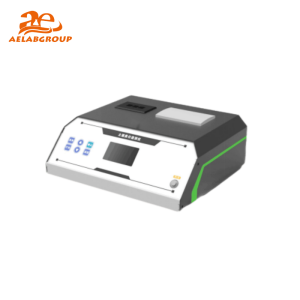
3. Soil Nutrient Tester – Targeted Fertilization
This device measures essential nutrients—Nitrogen, Phosphorus, and Potassium—that drive plant growth.
With detailed nutrient readings, farmers can:
Outcome: Better fertilizer use cuts costs, boosts crop health, and maintains soil integrity.
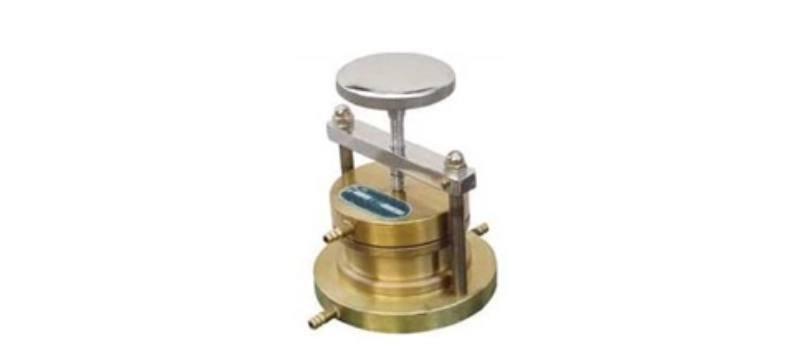
4. Soil Permeameter TPST-55 – Managing Water Flow
The Soil Permeameter gauges how quickly water passes through the soil. Low permeability can cause erosion or waterlogging.
This tool helps farmers:
In Sustainable Agriculture:
Better water infiltration aids conservation and keeps soil stable over time.
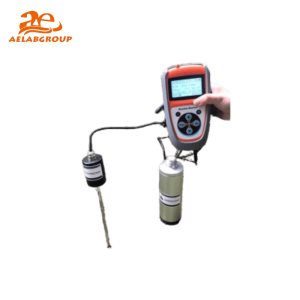
5. Soil pH and Moisture Meter/Recorder – Instant Soil Insights
Keeping soil pH in check is key to nutrient availability. This meter provides instant data on soil pH and moisture levels.
Advantages:
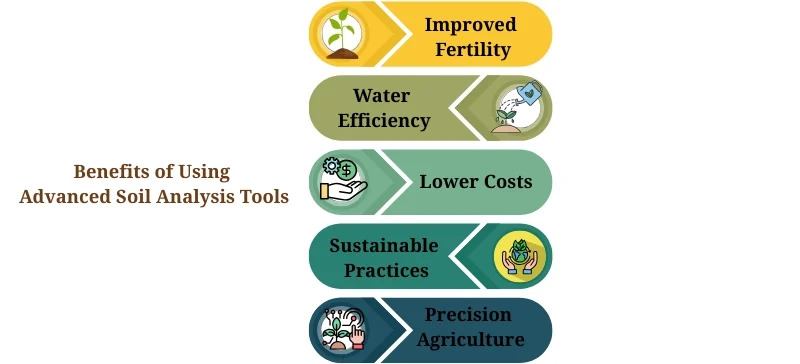
Benefits of Using Advanced Soil Analysis Tools
AELAB’s modern instruments provide clear advantages:
Improved Fertility: Informed choices lead to healthier soil.
Water Efficiency: Moisture tools help conserve water.
Lower Costs: Smarter nutrient and water management reduces expenses.
Sustainable Practices: Sound soil care protects long-term productivity.
Precision Agriculture: Real-time data sharpens decision-making.
How These Tools Elevate Crop Productivity
By integrating Soil Analysis Instruments into everyday farming activities, farmers move from a reactive approach to a proactive one in managing soil health—allowing them to detect and resolve issues before they affect crop productivity.
Real-life benefits:
Spotting nutrient gaps before they harm growth
Keeping soil structure optimal by tracking compaction
Scheduling irrigation precisely with moisture data
Managing pH levels to avoid nutrient blockage
Outcome:
Higher productivity, top-quality produce, and long-term soil vitality.
The Future of Soil Analysis
Innovation is redefining the way we understand and manage soil. Advanced technologies—such as IoT devices, AI-driven models, and cloud-based platforms—are revolutionizing the capabilities of Soil Analysis Instruments.
Next-generation Soil Analysis Instruments will feature:
Real-time wireless data transmission
Predictive analytics for soil health monitoring
Automated recommendations for fertilization and irrigation
Seamless integration with drones and satellite imagery for full-field diagnostics
These cutting-edge Soil Analysis Instruments will empower farmers to not only monitor current conditions but also predict and respond to future soil needs—paving the way for smarter, more sustainable agriculture.
Soil Nutrient Tester TPY series
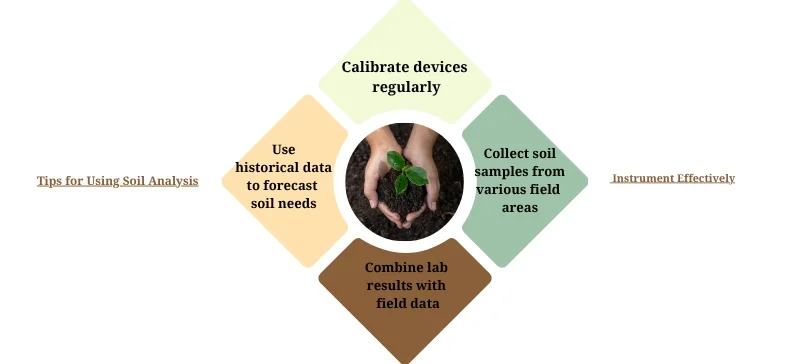
Tips for Using Soil Analysis Instruments Effectively
To get the most from these tools:
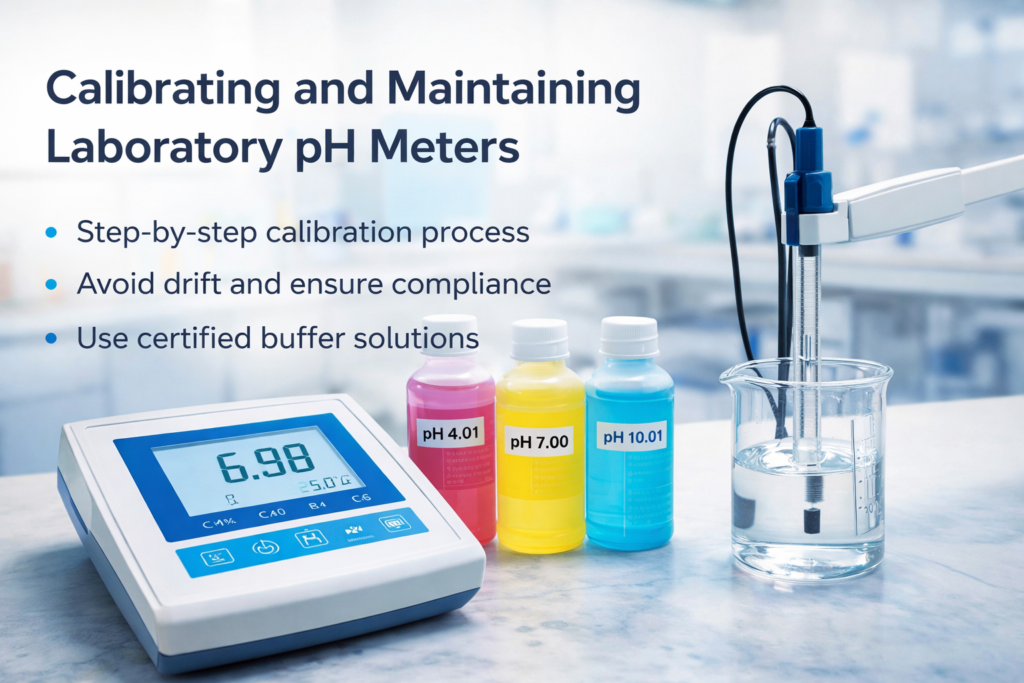
Calibrate devices regularly
Sample soil from multiple spots in the field
Blend lab testing with in-field data for full insights
Analyze past trends to anticipate future conditions
These practices keep data reliable and results consistent.
Conclusion
For farmers focused on boosting yields and sustainability, investing in advanced soil analysis instruments is a must. These tools provide critical information on soil structure, nutrients, and moisture—supporting smarter, more sustainable farming.
Take the Next Step: