

Introduction
Anaerobic incubators are essential laboratory devices designed to create oxygen-free environments for the growth of oxygen-sensitive microorganisms. Proper Anaerobic Incubator Maintenance from the start is crucial, as it ensures long-term equipment reliability and accurate laboratory results. In this article, you will learn the best practices for safety precautions, installation, operation, and maintenance to keep your incubator performing optimally.
What Is an Anaerobic Incubator?
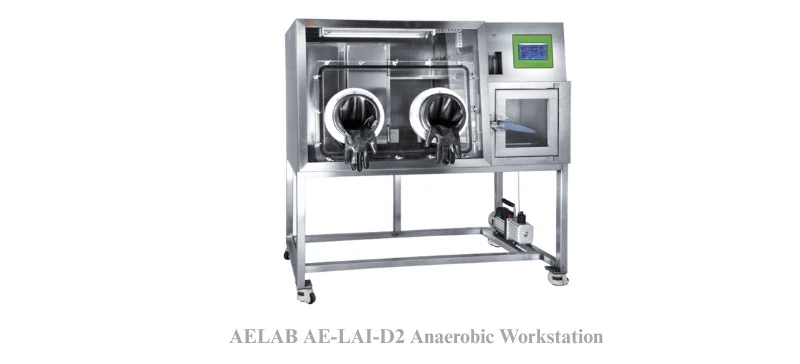
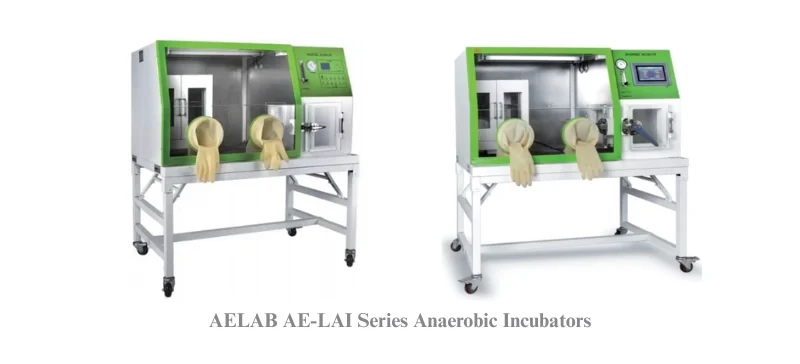
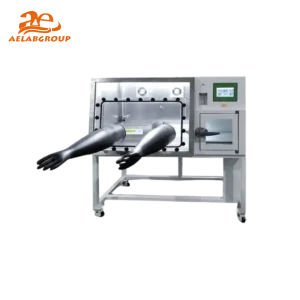
An anaerobic incubator is a specialized chamber that removes oxygen and replaces it with a controlled gas mixture (typically nitrogen, hydrogen, and carbon dioxide). Regular Anaerobic Incubator Maintenance is critical to maintain stable anaerobic conditions and support the growth of sensitive microorganisms.
Common applications include:
Microbiology laboratories
Clinical and medical research
Food and beverage safety testing
Pharmaceutical and biotechnology industries
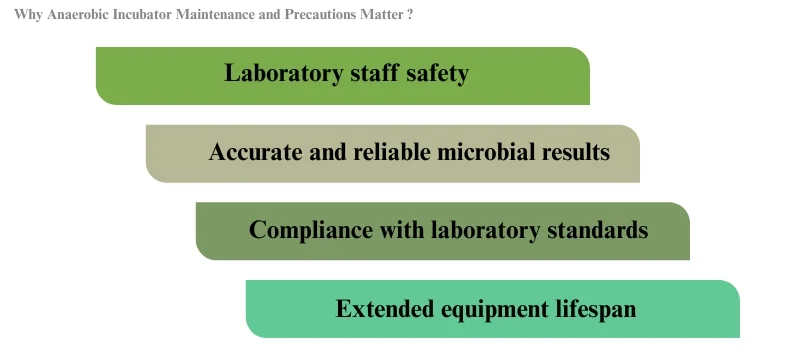
Why Anaerobic Incubator Maintenance and Precautions Matter ?
Routine maintenance and safety precautions are part of proper Anaerobic Incubator Maintenance and help ensure:
Laboratory staff safety
Accurate and reliable microbial results
Compliance with laboratory standards
Extended equipment lifespan
Anaerobic Incubator Installation Precautions
Proper Anaerobic Incubator Maintenance begins with careful installation and safety precautions.
1. Choose the Right Location
Install in a clean, well-ventilated area
Avoid direct sunlight and heat sources
Place on a stable, level surface
2. Secure Gas Cylinders
Keep nitrogen and mixed gas cylinders upright
Secure with chains or safety brackets
Install regulators and gauges correctly
3. Check Gas Connections
Inspect all tubing and fittings
Use approved sealing tape on threaded joints
Perform leak tests before operation
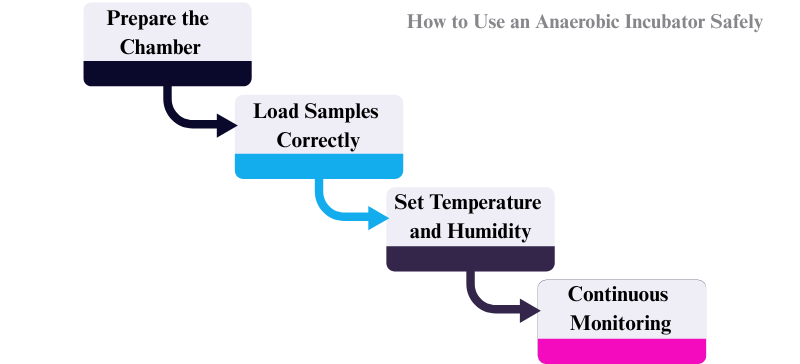
How to Use an Anaerobic Incubator Safely
1: Prepare the Chamber
Purge the incubator with an anaerobic gas mixture
Remove residual oxygen using an automatic purge system or vacuum pump
Ensure stable anaerobic conditions before loading samples
2: Load Samples Correctly
Place cultures in anaerobic containers before insertion
Load samples only after a stable anaerobic environment is achieved
3: Set Temperature and Humidity
Adjust temperature according to microorganism requirements
Configure humidity if the unit supports moisture control
4: Continuous Monitoring
Monitor oxygen levels, temperature, and humidity daily
Check gas flow and fan performance
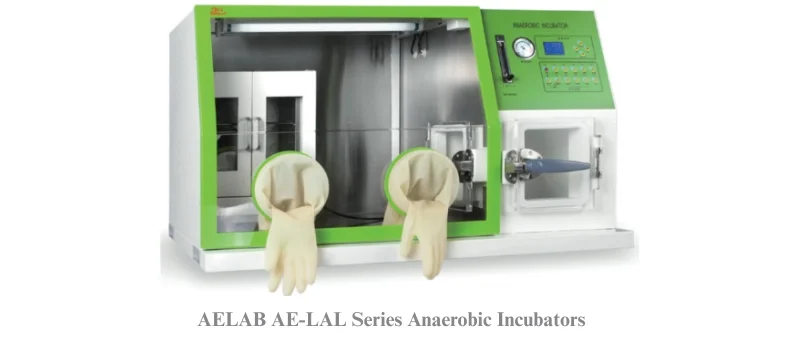
Anaerobic Incubator Maintenance: Safety Precautions During Operation
Do not overload the chamber
Keep airflow paths and circulation fans unobstructed
Avoid placing flammable, explosive, or corrosive substances inside
Provide sufficient space for heat dissipation
Note: Anaerobic conditions can usually be maintained for 10–12 hours in case of gas interruption.
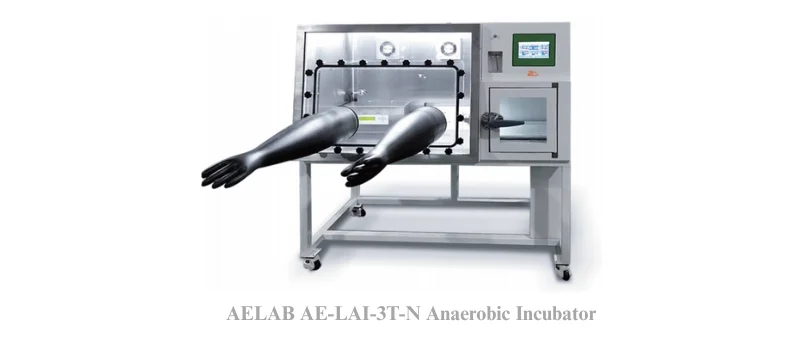
Best Practices for Anaerobic Incubator Maintenance
1. Regular Cleaning and Disinfection
Clean interior surfaces with approved lab disinfectants
Wipe shelves and racks to prevent microbial contamination
2. Gas System Maintenance
Inspect gas tubing and connections regularly
Calibrate gas concentration and flow according to manufacturer guidelines
3. Temperature Calibration
Verify temperature accuracy with a certified external thermometer
Ensure uniformity throughout the chamber
4. Humidity Control
Monitor and adjust humidity if supported
Refill reservoirs with sterile distilled water
5. Anaerobic Indicators
Check oxygen indicators (e.g., methylene blue or resazurin strips)
Replace weak or inconsistent indicators
6. Contamination Prevention
Follow strict aseptic techniques
Wear proper personal protective equipment (PPE)
7. Safe Gas Cylinder Handling
Keep cylinders upright and secured
Follow safety guidelines for transport and replacement
8. Routine Inspection and Troubleshooting
Listen for unusual noises
Monitor gas flow and temperature fluctuations
Respond promptly to alarm signals
9. Documentation
Maintain logs for cleaning, calibration, cylinder replacement, and repairs
Proper Long-Term Shutdown
Set temperature above 40°C
Run the incubator for 2 hours
Open the chamber every 30 minutes for 10 minutes
Repeat 3–5 cycles to dry the interior completely
Expert Tips for Long-Term Performance
Use preventive maintenance rather than emergency repairs
Replace worn-out seals immediately
Keep backup gas supplies available
Train all lab staff before use
Conclusion : Anaerobic Incubator Maintenance & Safety
Following proper Anaerobic Incubator Maintenance ensures safety, reliable results, and longer equipment lifespan. Implementing these guidelines helps laboratories achieve consistent and accurate outcomes.
Call to Action (CTA)
To optimize lab efficiency and equipment reliability, implement a regular Anaerobic Incubator Maintenance schedule and consult AELAB for professional guidance or high-quality equipment solutions.