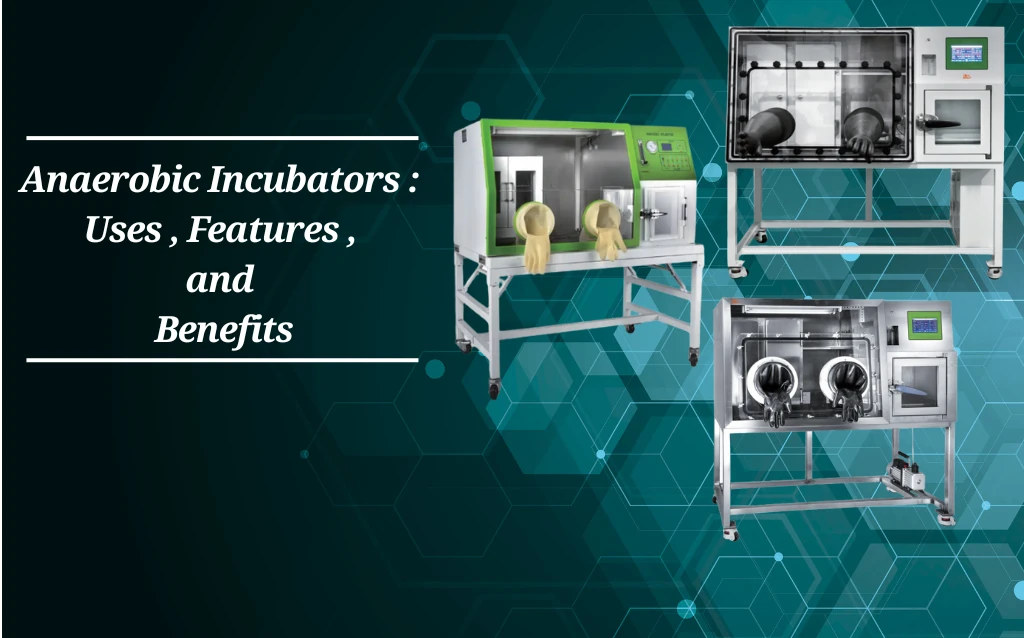
Introduction: The Importance of Anaerobic Incubators in Life Sciences
Anaerobic incubators are indispensable tools in microbiology, biotechnology, environmental science, and clinical diagnostics. They enable the cultivation and study of anaerobic microorganisms—organisms that cannot survive in the presence of oxygen. These microbes play crucial roles in processes ranging from human gut health to industrial fermentation and environmental remediation.
By providing a fully oxygen-free environment, anaerobic incubators open the door to cutting-edge research in anaerobic metabolism, pathogen identification, and microbial ecology.
What Is an Anaerobic Incubator?
An anaerobic incubator (also referred to as an anaerobic chamber or workstation) is a sealed laboratory device designed to support the growth, handling, and incubation of obligate anaerobic organisms. These systems create and maintain a stable, oxygen-free atmosphere that mimics the natural habitat of these microbes.
Organisms commonly cultured in these incubators include:
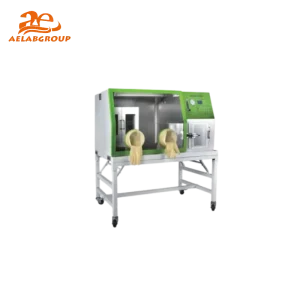
Anaerobic Incubator AE-LAI Series
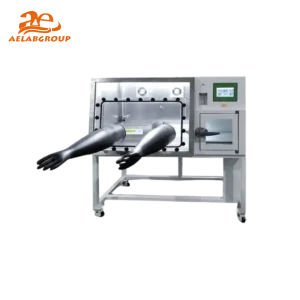
Anaerobic Incubator AE-LAI-3T-N
Key Features and Functionality
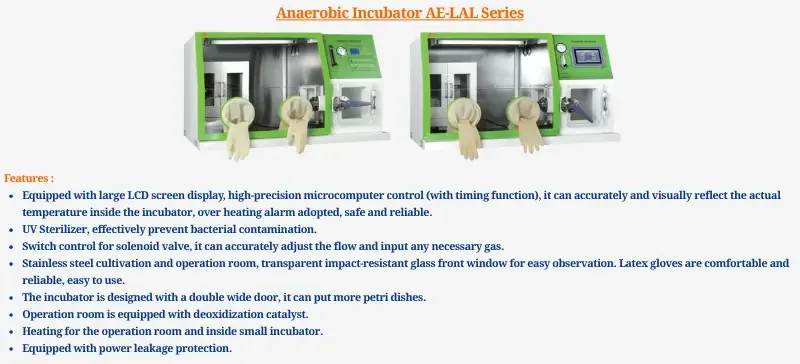
Modern anaerobic incubators are designed for high precision, safety, and ease of use. Essential features include:
Airtight Sealing System: Ensures long-term maintenance of anaerobic conditions by preventing oxygen infiltration.
Gas Inlet/Outlet Ports: Allow for controlled introduction and venting of gas mixtures.
Gas Flow and Mixing Control: Automatically blends nitrogen, hydrogen, and carbon dioxide in desired proportions.
Temperature Regulation: Usually 25°C to 45°C via thermistor-based digital controls.
Humidity Control: Maintains optimal moisture for microbial growth.
Anaerobic Indicators: Color-changing indicators like methylene blue strips confirm the absence of oxygen.
Safety Systems: Leak detection, overpressure alarms, and temperature monitors ensure operator and equipment safety.
Observation Windows: Enable monitoring without exposing the interior to air.
Digital Interface and Data Logging: Simplifies operation and allows remote monitoring via software or network integration.
Internal Shelving: Holds Petri dishes, test tubes, and culture containers securely.
Gas Composition and Function
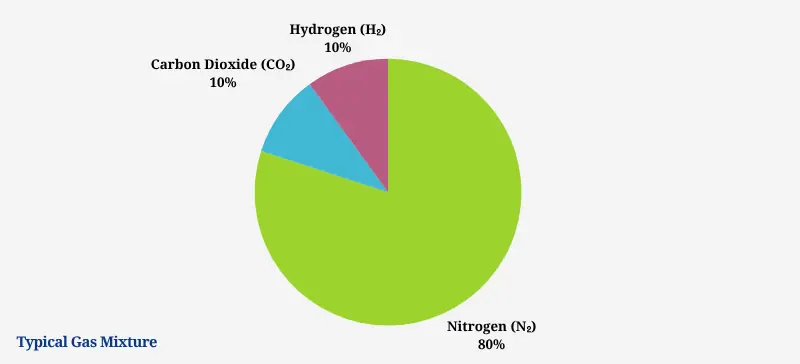
Anaerobic incubators typically utilize a controlled mix of the following gases:
| Gas | Function |
|---|
| Nitrogen (N₂) | Displaces atmospheric oxygen; inert and non-reactive |
| Carbon Dioxide (CO₂) | Maintains pH balance; supports microbial metabolism |
| Hydrogen (H₂) | Reacts with residual oxygen (via palladium catalyst) |
Typical Gas Mixture:
Safety Tip: Always install incubators in ventilated areas and inspect gas lines regularly for leaks.
Applications in Scientific and Industrial Research
Anaerobic incubators are vital across multiple disciplines:
– Clinical Microbiology
For culturing pathogens like Clostridium difficile, essential in diagnosing gastrointestinal infections and wound care.
– Food Microbiology
To detect spoilage and pathogenic organisms such as C. botulinum in canned and vacuum-sealed food products.
– Environmental Microbiology
Used to study anaerobic bacteria in soil and water ecosystems—key to understanding nutrient cycling and pollution degradation.

– Biotechnology and Fermentation
To cultivate anaerobic strains for biofuel production, antibiotics, and enzyme manufacturing under controlled, reproducible conditions.
– Human Microbiome and Gut Health
Essential for isolating and analyzing obligate anaerobes from the gut microbiota, shedding light on host-microbe interactions and metabolic pathways.
Effective Operation: Best Practices
To ensure optimal incubator performance:
Set precise temperature and humidity levels
Use anaerobic gas indicators to verify oxygen-free conditions
Maintain proper gas flow calibration
Limit chamber access to prevent oxygen intrusion
Replace catalyst filters and inspect seals regularly
Selecting the Right Anaerobic Incubator
When choosing an incubator, consider:
The type of microorganisms you intend to culture
Required gas mixtures and ratios
Chamber capacity and available lab space
Advanced features such as remote access, alarms, or data logging
Manufacturer support and documentation
Conclusion: A Gateway to Anaerobic Discovery
Anaerobic incubators are more than just laboratory equipment—they are essential platforms for unlocking insights into microbial life that thrives without oxygen. Their precision and versatility make them critical in clinical diagnostics, environmental science, industrial quality control, and human health research.
As global interest in anaerobic systems, gut microbiomes, and sustainable bioprocesses continues to grow, anaerobic incubators will remain at the forefront of scientific progress.