

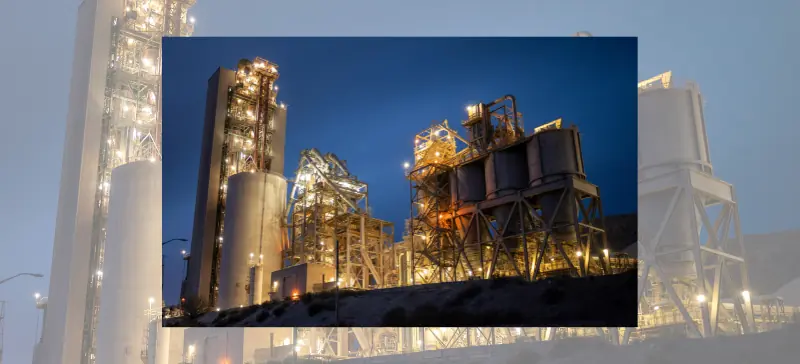
1. Chemical Industry: Quality Control and Reaction Monitoring
FTIR plays a central role in verifying raw material purity and product consistency. By comparing a sample’s spectrum to a library of known standards, contaminants and byproducts can be quickly identified. It also facilitates real-time reaction monitoring, enabling optimization of yield and adherence to safety protocols.
In polymer analysis, FTIR helps identify polymer types, additives, and contaminants—critical in both product design and recycling processes. Furthermore, it supports chemical research by analyzing reaction mechanisms and unknown compounds through functional group identification.
2. Pharmaceutical Industry: Ensuring Drug Integrity
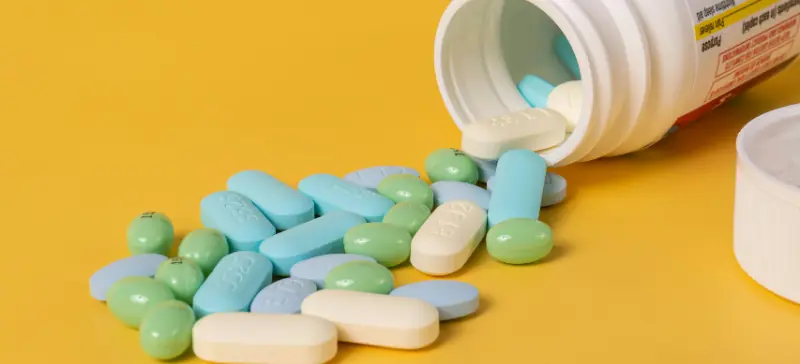
FTIR spectroscopy is a trusted method in the pharmaceutical sector for the identification and validation of active pharmaceutical ingredients (APIs) and excipients. It ensures uniform distribution in formulations and detects degradation products.
In quality assurance, FTIR is used to monitor drug stability, detect counterfeit products, and comply with regulatory standards. In R&D, it helps understand drug-excipient interactions and protein conformations, contributing to the safe development of new medications.
3. Environmental Monitoring: Detecting Pollutants
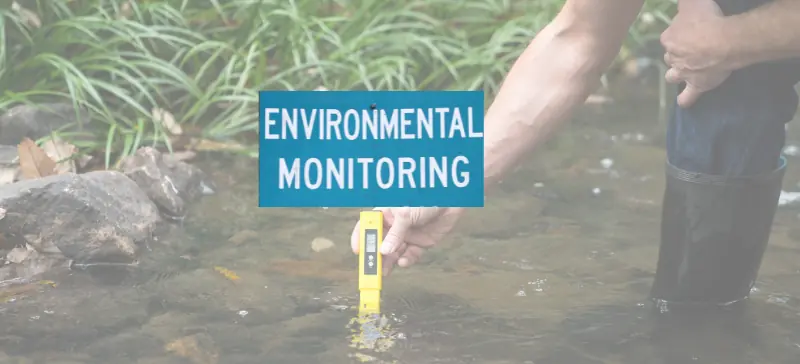
FTIR plays a significant role in environmental protection by identifying pollutants across air, water, and soil:
Air: Detects greenhouse gases, VOCs, and industrial emissions.
Water: Identifies contaminants in drinking and wastewater, supporting treatment and compliance.
Soil: Assesses fertility and detects chemical residues, helping evaluate industrial and agricultural impacts.
4. Materials Science: Composition and Failure Analysis
FTIR is essential in characterizing the structure and composition of polymers, composites, ceramics, and nanomaterials. It provides insight into material performance and behavior under various conditions.
In failure analysis, FTIR identifies degradation processes such as oxidation or contamination. It also helps understand nanomaterial surface chemistry, vital for emerging applications in electronics and biotechnology.
5. Food Industry: Guaranteeing Safety and Authenticity
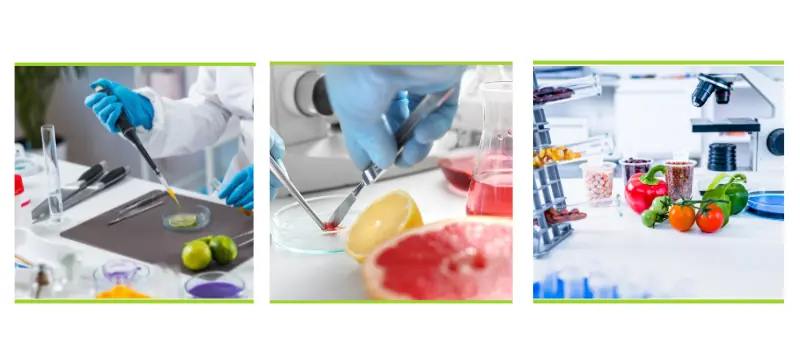
FTIR supports food authenticity verification by detecting adulterants (e.g., in olive oil) and confirming labeling compliance. It enables quality control during processing and storage by tracking spoilage and composition changes.
Moreover, FTIR is used to detect contaminants like pesticides, heavy metals, and mycotoxins, ensuring product safety throughout the supply chain.
6. Forensic Science: Reliable Evidence Analysis
In forensic investigations, FTIR assists in identifying trace evidence such as fibers, paints, explosives, and unknown materials found at crime scenes. It helps link suspects to evidence and reconstruct events.
Additionally, it is used to analyze illicit drugs and determine their composition—valuable in both criminal investigations and legal proceedings.
7. Art Conservation: Preserving Cultural Heritage
FTIR is applied in art restoration to identify pigments, binders, and varnishes in artworks. The non-destructive nature of FTIR ensures that historical artifacts remain intact during analysis, allowing restorers to choose accurate and compatible restoration techniques.